Modern wireless electronic design increasingly requires balancing miniaturization with high-performance RF communication. As compact circuit boards shrink to fit inside smart home sensors, wearable medical devices, and handheld industrial readers, internal component footprint becomes critical. Engineers frequently deploy ultra-miniature surface-mount interconnects on high-density printed circuit boards while relying on standard threaded connectors for external antenna interfaces.
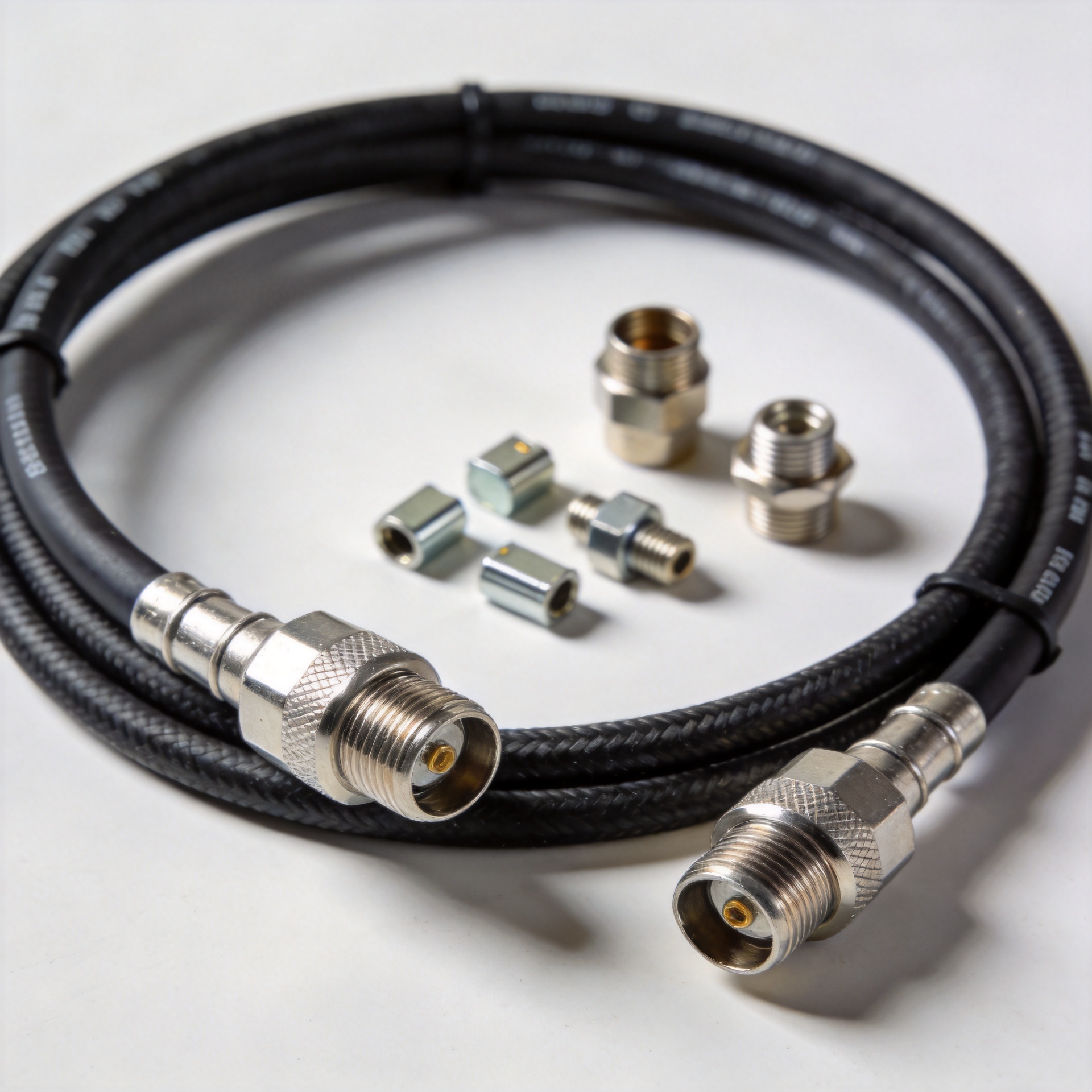
Bridging these two distinct mechanical worlds requires a specialized jumper assembly. Connecting a micro-miniature IPEX connector socket on a radio module to an external panel-mount SMA jack depends on a reliable U.FL to SMA pigtail. Choosing the proper cable diameter, managing bend radiuses, and understanding mating cycle limitations ensures stable wireless coverage and prevents premature signal degradation in field-deployed devices.
Understanding U.FL and SMA Interface Characteristics
To optimize high-frequency transmission paths, hardware engineers must match interface properties to the mechanical constraints of the product enclosure. The U.FL interface—often called an IPEX connector—serves as a miniature board-to-board or board-to-cable interconnect, whereas the standard SMA interface provides a heavy-duty, threaded connection for external antennas.
| Interface Metric |
U.FL / IPEX Interface |
Standard SMA Interface |
Engineering Impact |
| Mating Profile Height |
2.0 mm to 2.5 mm |
N/A (Threaded Coupling) |
IPEX fits under tight shield cans |
| Operating Frequency |
DC to 6 GHz |
DC to 18 GHz |
Covers Wi-Fi, Bluetooth, 5G NR |
| Rated Mating Cycles |
~30 Cycles |
500+ Cycles |
U.FL is for fixed internal links |
| Coupling Mechanism |
Snap-On Retention |
1/4-36 Threaded Engagement |
SMA withstands external strain |
| Primary Deployment |
PCB Module Output |
External Panel Antenna Mount |
Bridges internal PCB to chassis |
While a standard ufl sma connector assembly easily accommodates Wi-Fi 6E, Bluetooth Low Energy, and sub-6 GHz cellular bands, special care must be taken during assembly. Because a miniature IPEX connector features a delicate spring contact rated for approximately thirty mating cycles, repeated plugging during prototyping can loosen retention force, causing intermittent RF disconnections.
Selecting Coaxial Cable Types for Micro-Miniature Assemblies
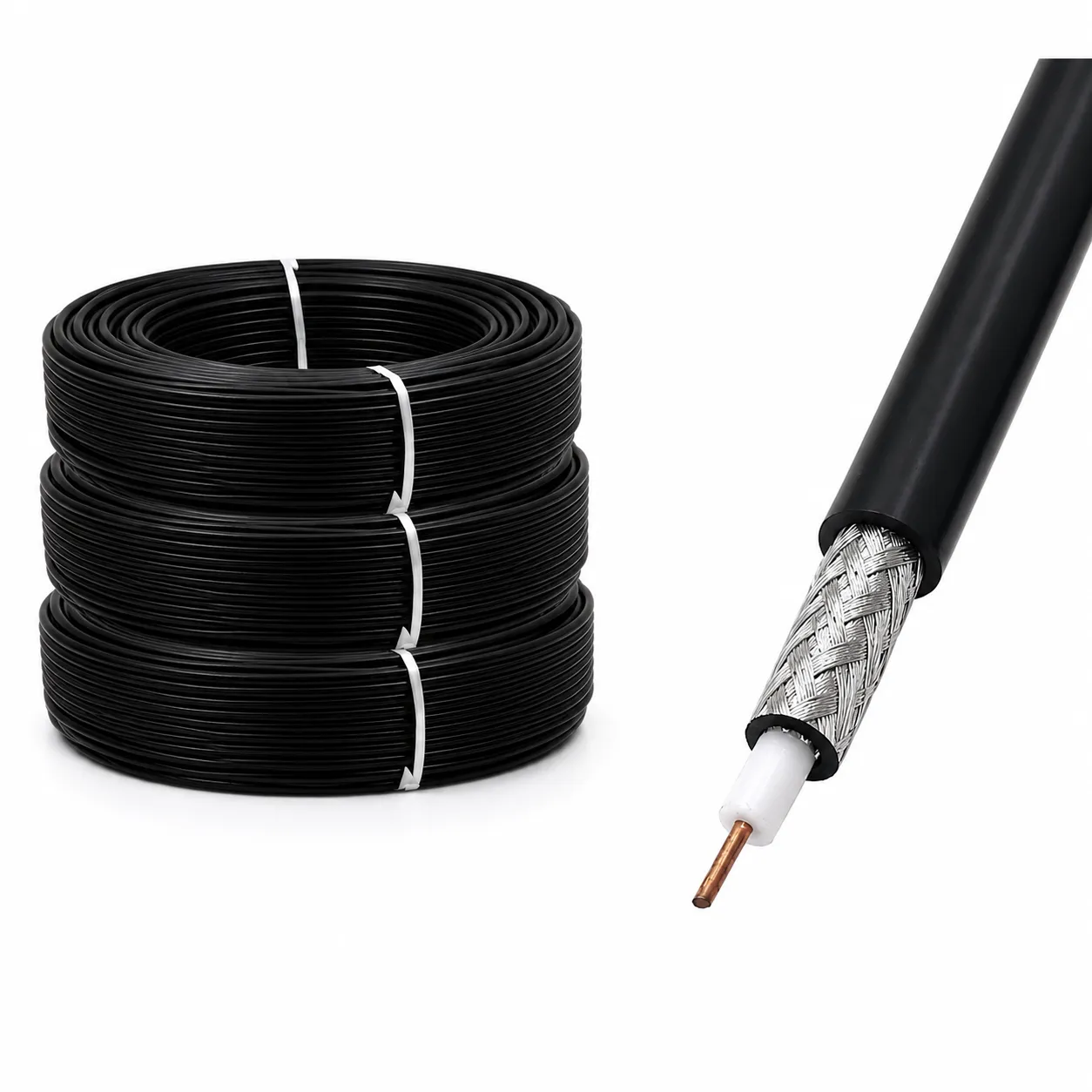
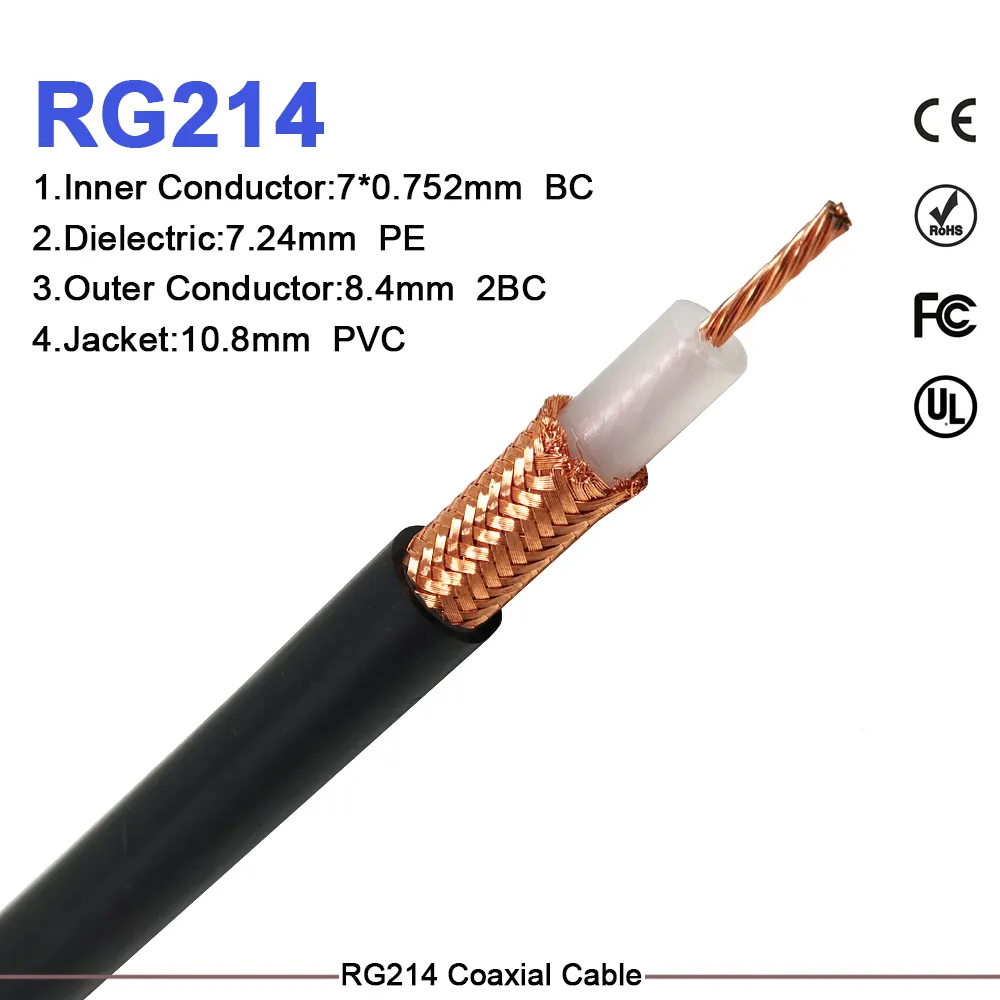
The flexible cable linking the internal snap-on socket to the external panel jack directly dictates insertion loss and physical routing ease inside compact housings. Choosing the right coax construction prevents sharp bends that cause impedance drops.
-
1.13 mm Micro-Coaxial Cable: Featuring an extremely small outer diameter, 1.13 mm micro-coax provides maximum flexibility for routing along dense PCB edges and around mounting standoffs. It serves as the primary choice for ultra-compact IoT devices where internal clearance is under two millimeters.
-
1.32 mm Double-Shielded Coax: Incorporating an extra metallic shield layer, 1.32 mm cable reduces cross-talk and electromagnetic interference inside crowded enclosures housing multiple wireless transmitters.
-
RG-178 Coaxial Cable: Measuring approximately 1.8 mm in outer diameter, RG-178 utilizes a durable fluoropolymer jacket and stranded center conductor. It offers higher physical strength and lower attenuation over longer jumper lengths exceeding 150 millimeters.
-
RG-316 Coaxial Cable: Though too thick to crimp directly onto a standard IPEX connector plug, RG-316 is occasionally specified with larger micro-RF interfaces when thermal tolerance or higher power handling is required.
For short internal runs under 100 millimeters, a 1.13 mm ufl to sma lead adds negligible attenuation, making its tight bending capability a huge advantage for sleek product enclosures.
Key Applications in IoT and Wireless Ecosystems
The ufl to sma interface jumper serves as a crucial signal link across numerous commercial and industrial wireless applications:
-
Wi-Fi and Bluetooth Gateways: Many high-throughput Wi-Fi modules incorporate surface-mount IPEX sockets. A compact RF adapter jumper carries RF energy to panel-mounted dipole antennas, expanding coverage across multi-story buildings.
-
Cellular IoT Modules: Compact LTE-M, NB-IoT, and 5G modules utilize multiple U.FL ports to support main transmit pathways and receive diversity antennas inside smart utility meters and tracking devices.
-
GNSS and GPS Receivers: High-precision positioning boards rely on shielded U.FL leads to deliver clean signals from external active patch antennas to low-noise amplifiers.
-
Prototyping and Test Fixtures: During early hardware validation, a U.FL to SMA pigtail allows engineers to connect delicate board modules directly to spectrum analyzers, power meters, and vector network analyzers.
During a smart home gateway redesign utilizing an ESP32-S3 Wi-Fi module, engineers routed a 100 mm ufl sma connector lead along the outer chassis wall. By maintaining a clean bend radius and securing the cable near the SMA panel jack, the product comfortably passed three-meter drop tests and FCC compliance testing on the first attempt.
Common Installation Mistakes and Prevention Strategies
Handling micro-miniature RF components requires precise tools and disciplined assembly procedures to avoid damaging tiny circuit board pads:
-
Prying Connectors by the Cable: Pulling on the thin coaxial cable to disconnect a U.FL plug stretches the crimp ferrule and tears the center conductor away from the pin contact. Always use an IPEX extraction tool or flat plastic spudger inserted under the connector flange.
-
Excessive Sideways Strain: Forcing a stiff cable into a sharp ninety-degree turn immediately adjacent to the U.FL plug puts continuous lateral stress on the surface-mount PCB pad, leading to trace peeling under vibration.
-
Cross-Threading Panel Nuts: Over-tightening the external SMA bulkhead nut without a backing washer can warp thin plastic enclosures and strip brass threads. Always use calibrated torque tools.
-
Ignoring Mating Alignment: Attempting to snap a miniature plug down at an angle deforms the thin outer ground ring of the IPEX socket, destroying the connector's 50-ohm geometry.
Precision Manufacturing for Global Wireless Supply Chains
Building reliable micro-coaxial assemblies requires high-precision automated stripping, delicate hand or automated soldering, and strict quality control. Minor variations in braid crimping or center pin alignment can cause severe VSWR spikes at five gigahertz.
Worldpeak meets these exacting hardware standards through automated precision assembly, advanced optical inspection, and complete high-frequency test protocols. Supplying a comprehensive catalog of ufl sma connector assemblies, custom ufl to sma jumper leads, panel-mount U.FL to SMA pigtail options, and precision compact RF adapter hardware, Worldpeak utilizes premium materials including gold-plated brass or stainless steel bodies, high-purity copper conductors, and durable PTFE dielectrics.
Available with standard or reverse-polarity SMA configurations, every Worldpeak micro-coaxial jumper undergoes 100% automated continuity and VSWR testing prior to packaging. Whether developing next-generation IoT gateways, upgrading industrial telemetry systems, or sourcing high-volume wireless interconnects, partnering with an established manufacturer like Worldpeak ensures low-loss transmission, mechanical durability, and seamless production scaling.

 EN