 EN

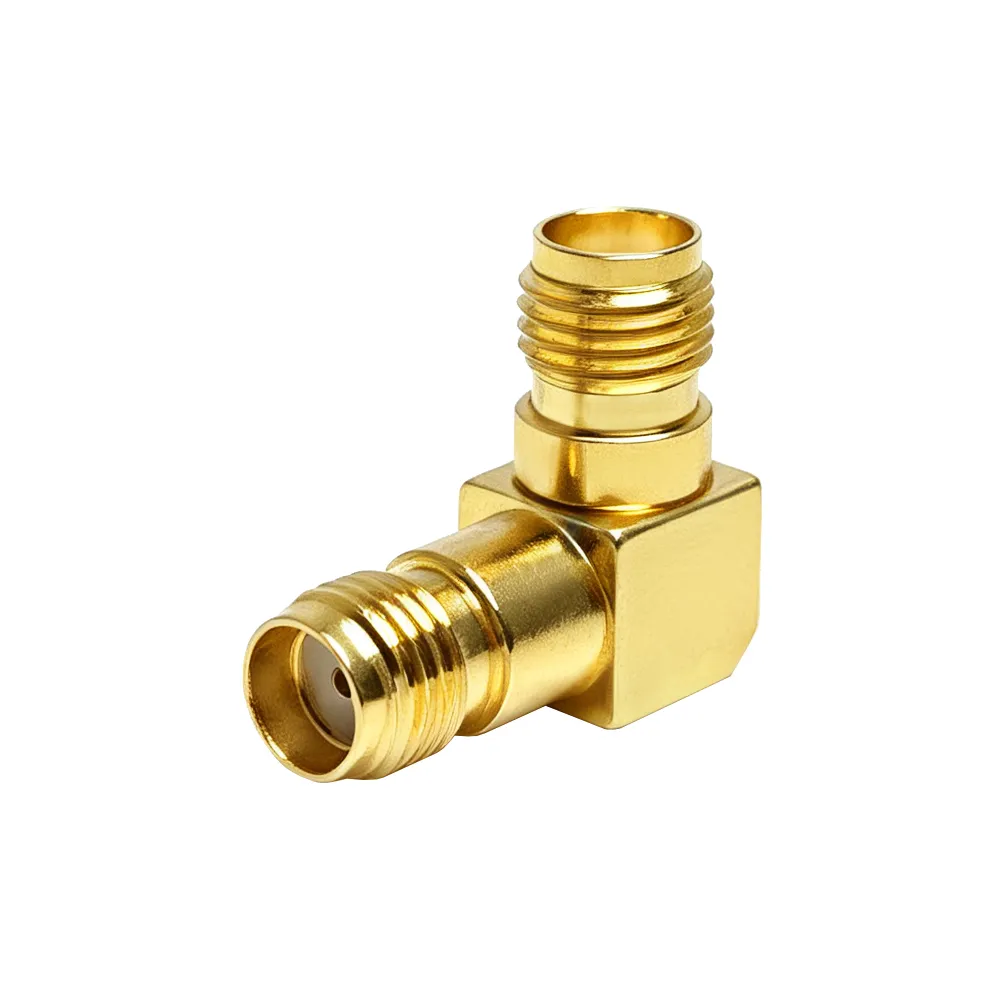
90-Degree Coax Connector: Right-Angle RF Solutions
2026/10/19
Choose a 90 degree coax connector with practical guidance on RF interfaces, mounting styles, impedance, and tight-space routing.
2026/10/14
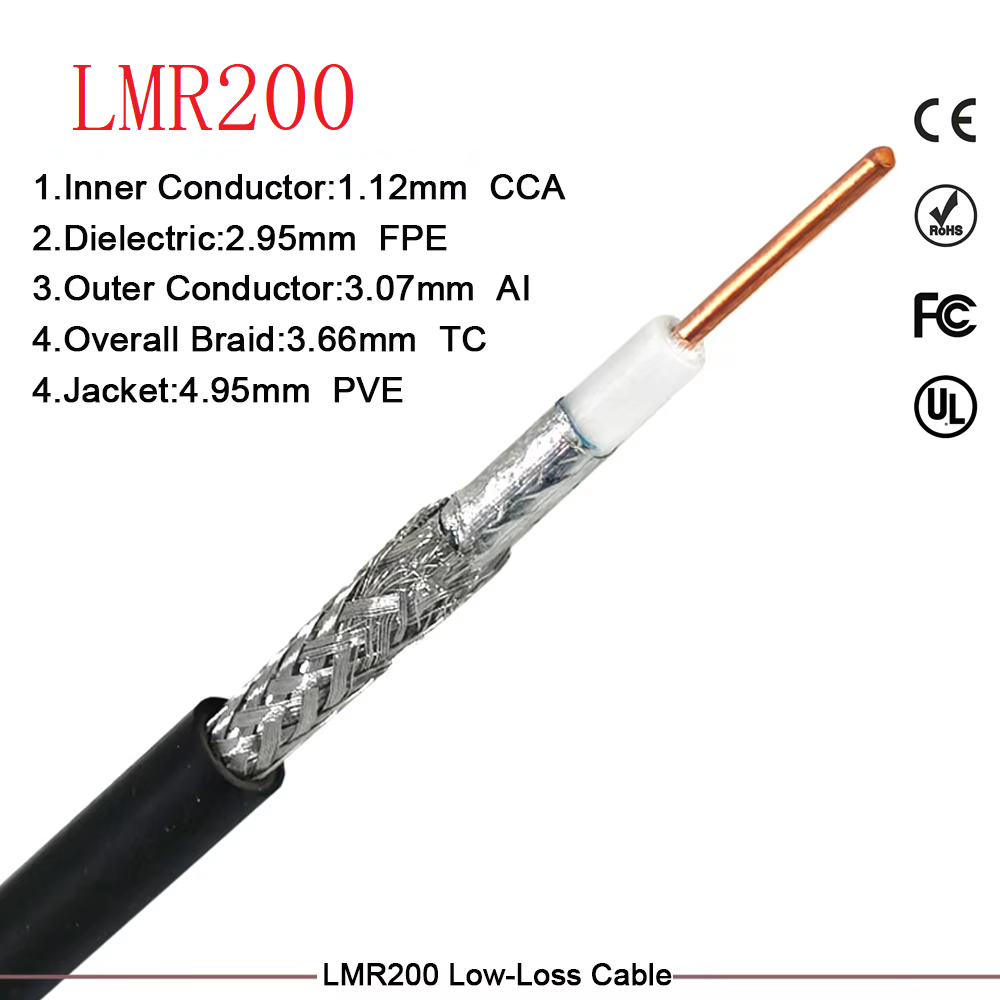
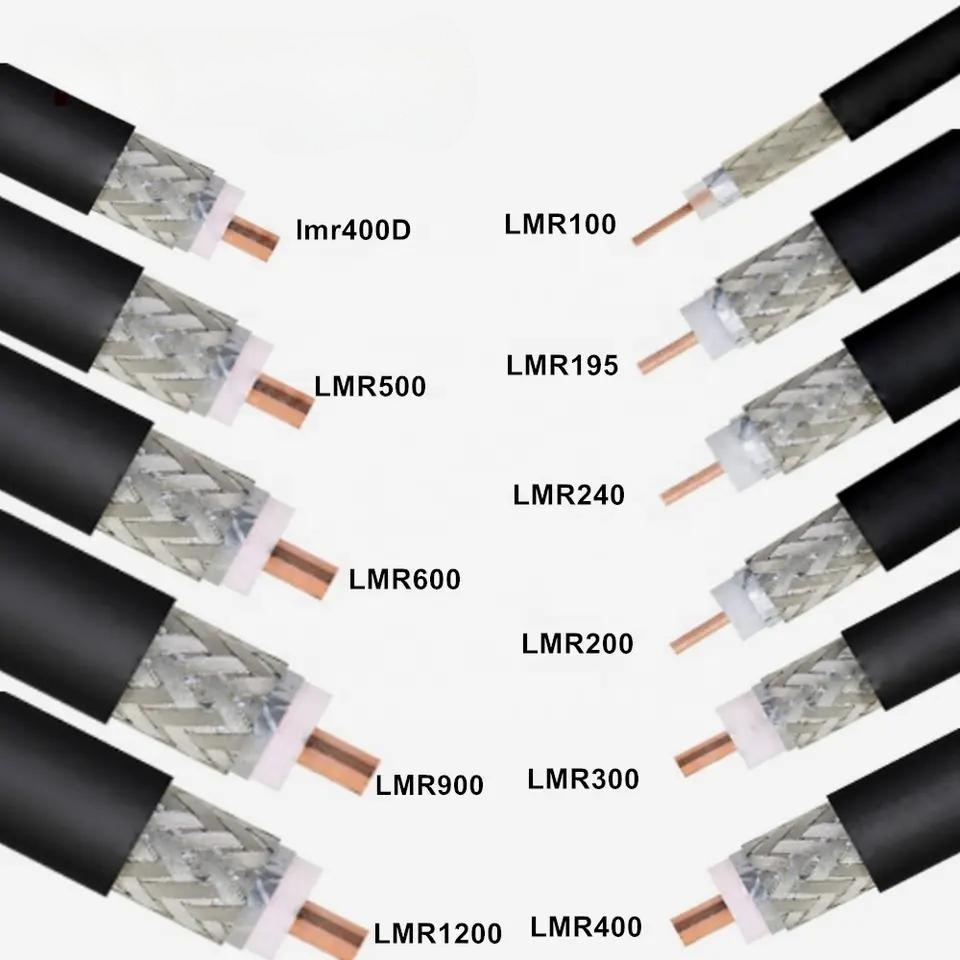
When designing RF systems, engineers often face a trade-off: choose a thin, flexible cable with higher signal loss, or a thick, low-loss cable that is difficult to route in tight spaces. LMR-200 coaxial cable was engineered to solve this exact dilemma. Positioned between the ultra-flexible LMR-195 and the heavier-duty LMR-240, LMR-200 delivers an optimal blend of low attenuation, high shielding, and manageable flexibility for mid-range wireless applications.
Whether you are extending a Wi-Fi 6E access point feed, deploying a 5G small cell, or building a GPS timing system, LMR-200 offers the performance headroom that RG-58 and LMR-195 cannot provide—without the bulk of larger cables.
What Is LMR-200?
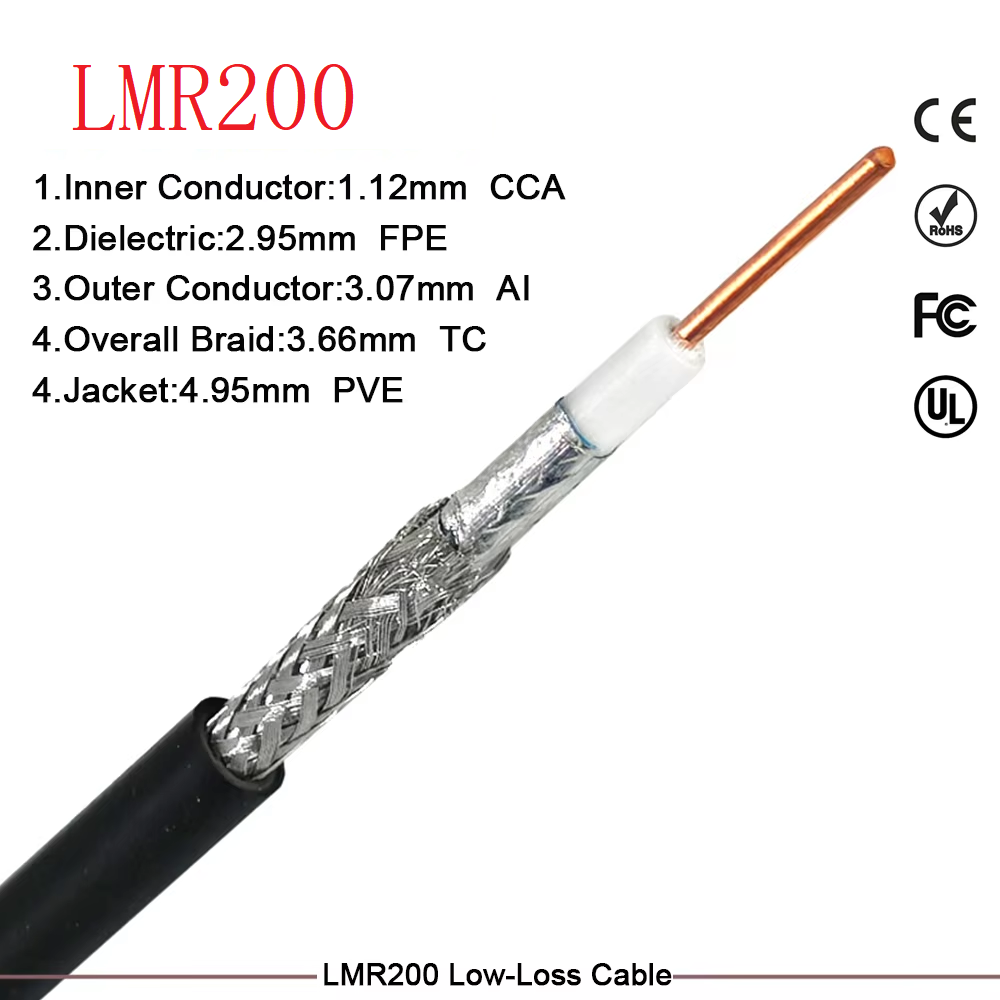
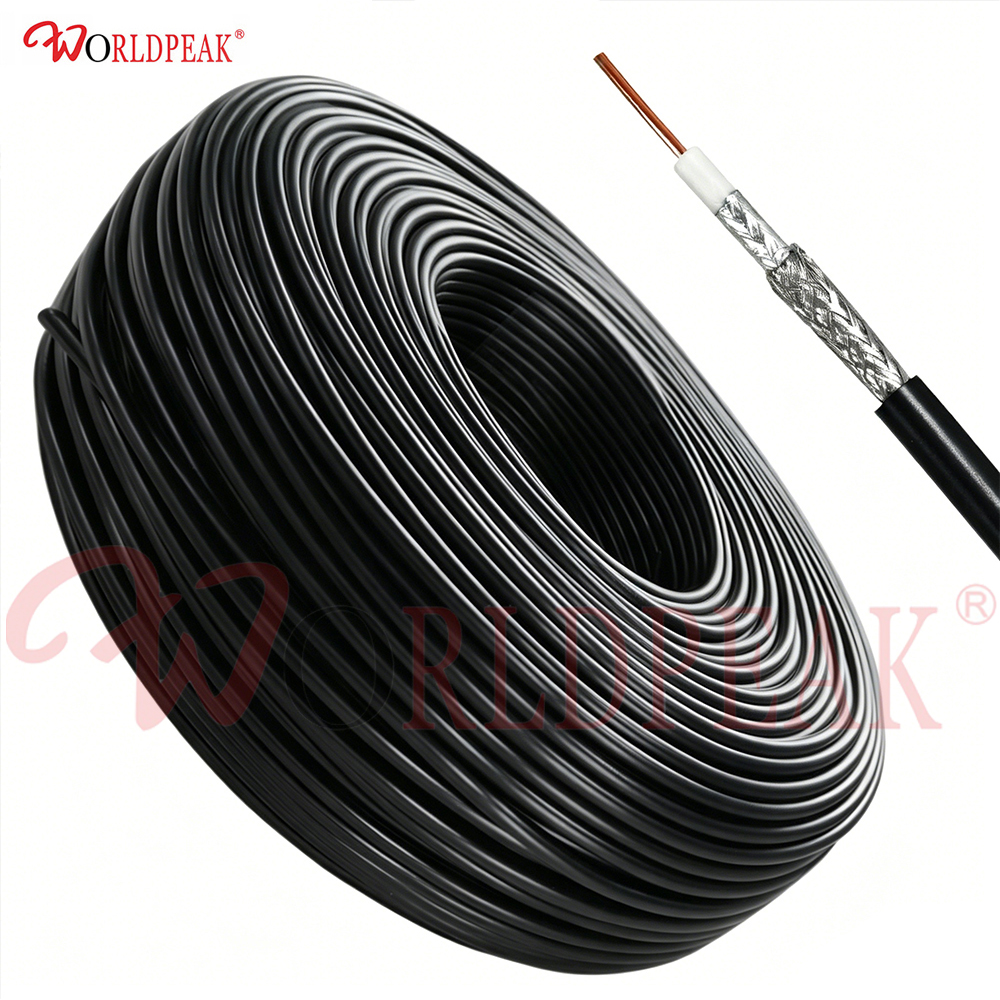
LMR-200 is a 50-ohm, low-loss flexible coaxial cable with an outer diameter of approximately 0.240 inches (6.1 mm). Originally developed by Times Microwave Systems (now Amphenol), it features foam PE dielectric, bare copper-clad aluminum (BCC) center conductor, and dual-layer shielding. It is specifically designed for applications where LMR-195 is too lossy but LMR-240 is too stiff or bulky.
Critical Note: LMR-200 is physically similar in size to 75Ω RG-59/RG-6, but it is strictly a 50Ω cable. Never use LMR-200 in 75Ω systems (e.g., CCTV, CATV) unless you are using the specialized 75Ω variant (LMR-200-75). Impedance mismatch will cause severe signal reflection and system failure.
Key Technical Advantages
1. Optimized Attenuation Performance
At 2.4 GHz, LMR-200 exhibits approximately 22% lower loss than LMR-195 and 60% lower loss than RG-58. This makes it ideal for runs between 3–8 meters where every dB matters, yet space constraints prevent the use of LMR-240.
2. Higher Velocity of Propagation (83%)
With a propagation velocity of 83% (vs. 80% for LMR-195), LMR-200 offers reduced dielectric loss and superior phase stability. This is particularly valuable for GPS/GNSS precision timing, phased array antennas, and test equipment requiring accurate signal delay characteristics.
3. Superior Shielding & Outdoor Durability
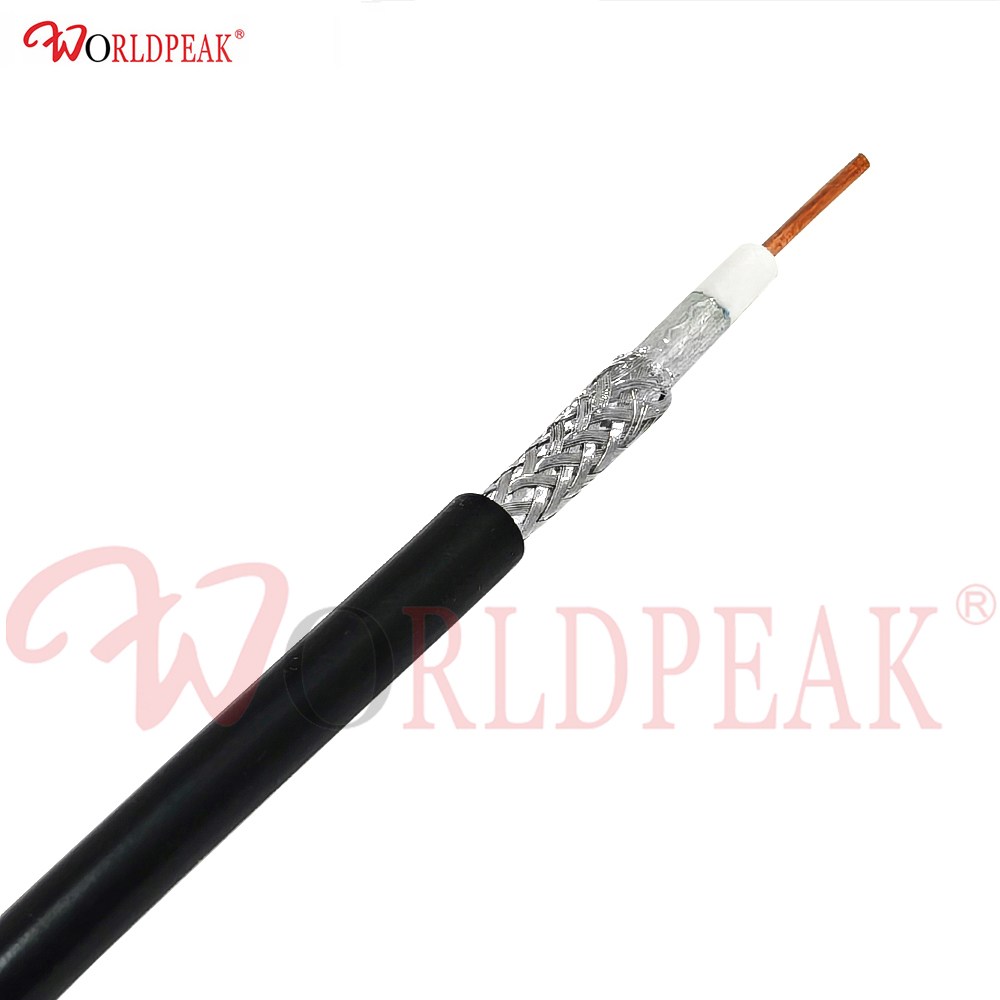
Like all LMR-series cables, LMR-200 features foil + tinned copper braid dual shielding with >90 dB effectiveness. The UV-resistant black PE jacket ensures reliable outdoor performance without additional conduit or weatherproofing.
4. Flexible Yet Robust
Despite its enhanced performance, LMR-200 maintains excellent flexibility with a repeated bend radius of just 2.4 inches (61 mm). It can be routed through conduits, around corners, and into enclosures far more easily than LMR-240 or LMR-400.
Quick Specifications at a Glance
|
Parameter |
Specification |
|
Impedance |
50 Ω |
|
Outer Diameter |
0.240" (6.1 mm) |
|
Center Conductor |
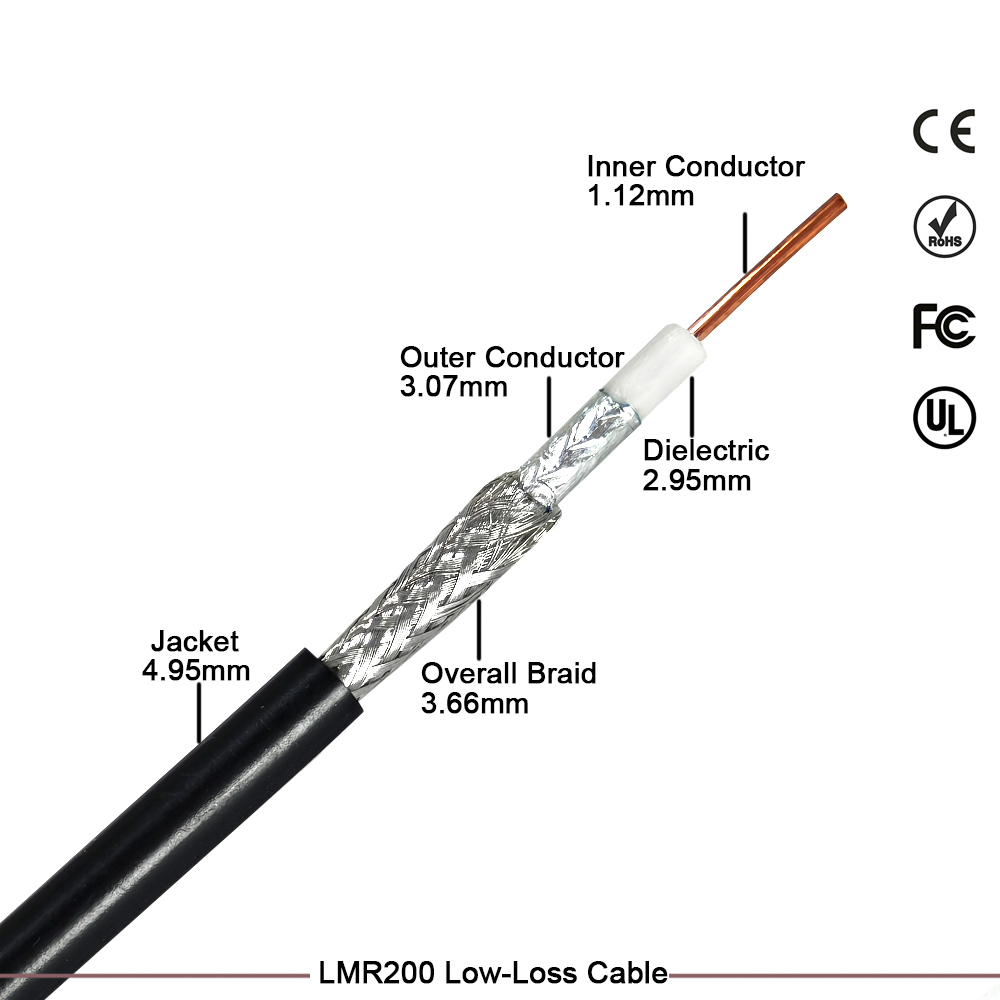
Bare Copper Clad Aluminum (BCC), 0.046" (1.17 mm) |
|
Dielectric |
Foam PE |
|
Shielding |
Foil + Tinned Copper Braid (>90 dB) |
|
Frequency Range |
DC – 6 GHz |
|
Velocity of Propagation |
83% |
|
Attenuation @ 900 MHz |
~8.5 dB/100 ft (27.9 dB/100 m) |
|
Attenuation @ 2.4 GHz |
~14.5 dB/100 ft (47.6 dB/100 m) |
|
Min. Bend Radius (Repeated) |
2.4" (61 mm) |
Note: Always consult your supplier’s official datasheet. Specifications may vary slightly between manufacturers and jacket materials.
Primary Applications
LMR-200 vs. Neighboring Cables: Selection Guide
|
Model |
OD |
Loss @2.4GHz |
Flexibility |
Best Use Case |
|
LMR-195 |
0.195" |
18.5 dB/100ft |
★★★★★ |
≤3m jumpers, internal wiring |
|
LMR-200 |
0.240" |
14.5 dB/100ft |
★★★★☆ |
3–8m feeds, space-constrained low-loss |
|
LMR-240 |
0.280" |
11.5 dB/100ft |
★★★☆☆ |
8–15m main trunks, fixed installs |
|
RG-58 |
0.195" |
~33 dB/100ft |
★★★★★ |
Legacy/low-freq only (obsolete for modern RF) |
Critical Installation Notes
Conclusion
LMR-200 occupies a vital niche in the RF cabling ecosystem. It eliminates the compromise between performance and practicality, offering engineers a cable that is both electrically superior to legacy standards and mechanically easier to install than heavier alternatives. For any 50Ω system operating above 1 GHz where cable routing space is limited but signal integrity cannot be sacrificed, LMR-200 is the definitive solution.
Need LMR-200 assemblies, custom lengths, or technical support? [Contact our RF specialists] or explore our [Coaxial Cable Catalog] for datasheets, connector compatibility guides, and volume pricing.
2026/10/19
Choose a 90 degree coax connector with practical guidance on RF interfaces, mounting styles, impedance, and tight-space routing.
2026/10/18
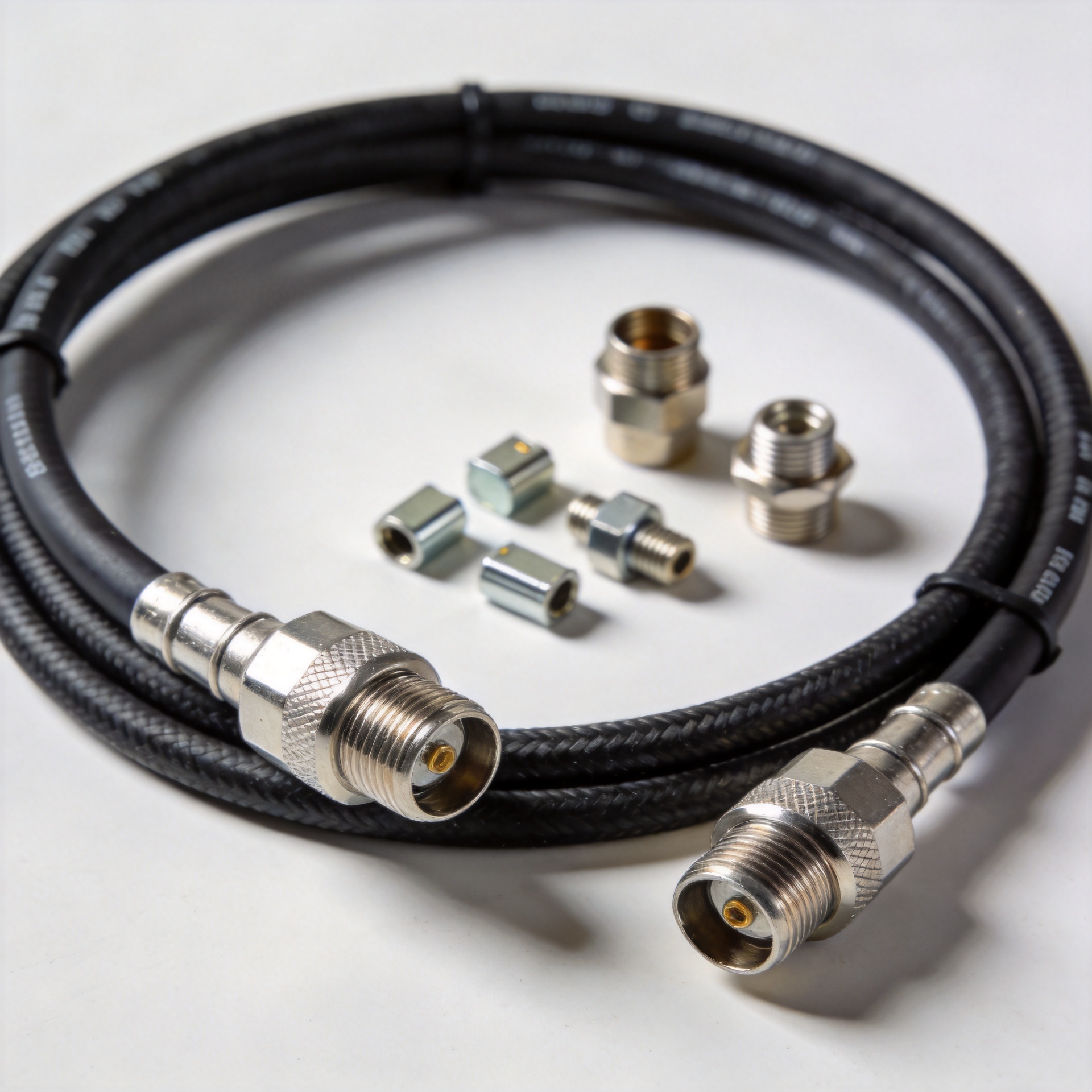
Choose rf semi-rigid cable by loss, shielding, impedance, and bend geometry for precise RF and microwave assemblies.
2026/10/17
Choose a 50 ohm RG cable by type, impedance, connectors, jacket, routing needs, and indoor or outdoor installation conditions.
2026/10/16
Compare rg214 coax construction, 50-ohm uses, shielding, attenuation, installation limits, and practical cable selection steps.
2026/10/15
In RF system design, there is a critical threshold where jumper cables like LMR-195 or LMR-200 become too lossy for reliable signal transmission, yet heavy-duty cables like LMR-400 are overkill for the distance and budget. LMR-240 exists precisely in...