 EN

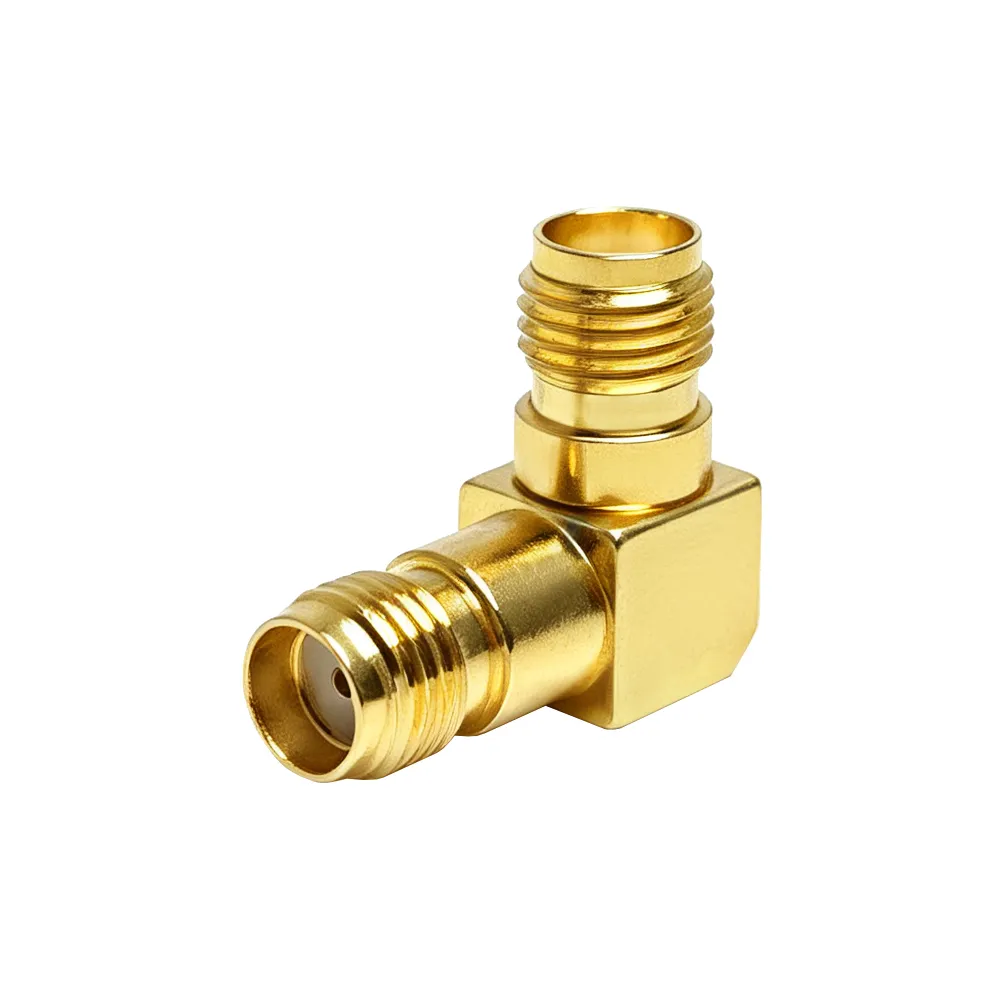
90-Degree Coax Connector: Right-Angle RF Solutions
2026/10/19
Choose a 90 degree coax connector with practical guidance on RF interfaces, mounting styles, impedance, and tight-space routing.
2026/10/15
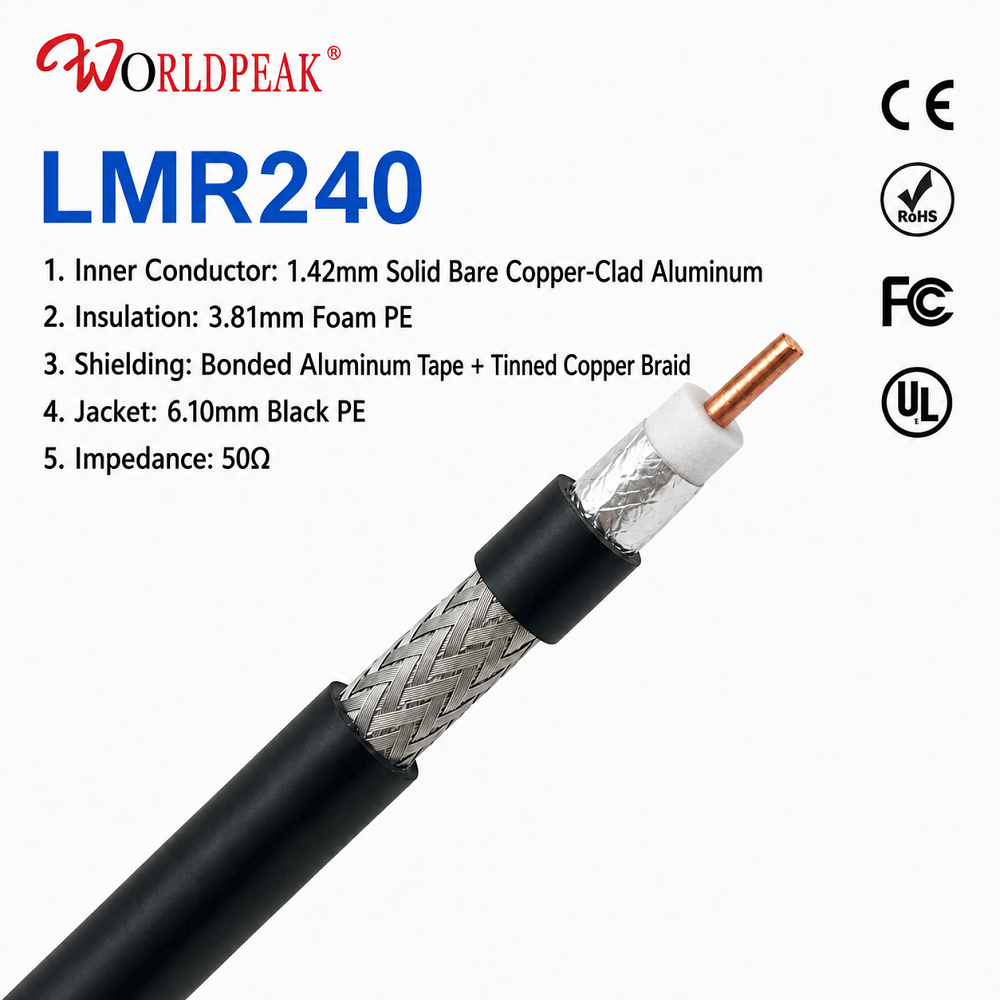
In RF system design, there is a critical threshold where jumper cables like LMR-195 or LMR-200 become too lossy for reliable signal transmission, yet heavy-duty cables like LMR-400 are overkill for the distance and budget. LMR-240 exists precisely in this sweet spot. As the most popular mid-size low-loss coaxial cable, it serves as the definitive upgrade path from RG-8X and the go-to solution for runs between 5 and 15 meters across Wi-Fi, cellular, and amateur radio applications.
What Is LMR-240?
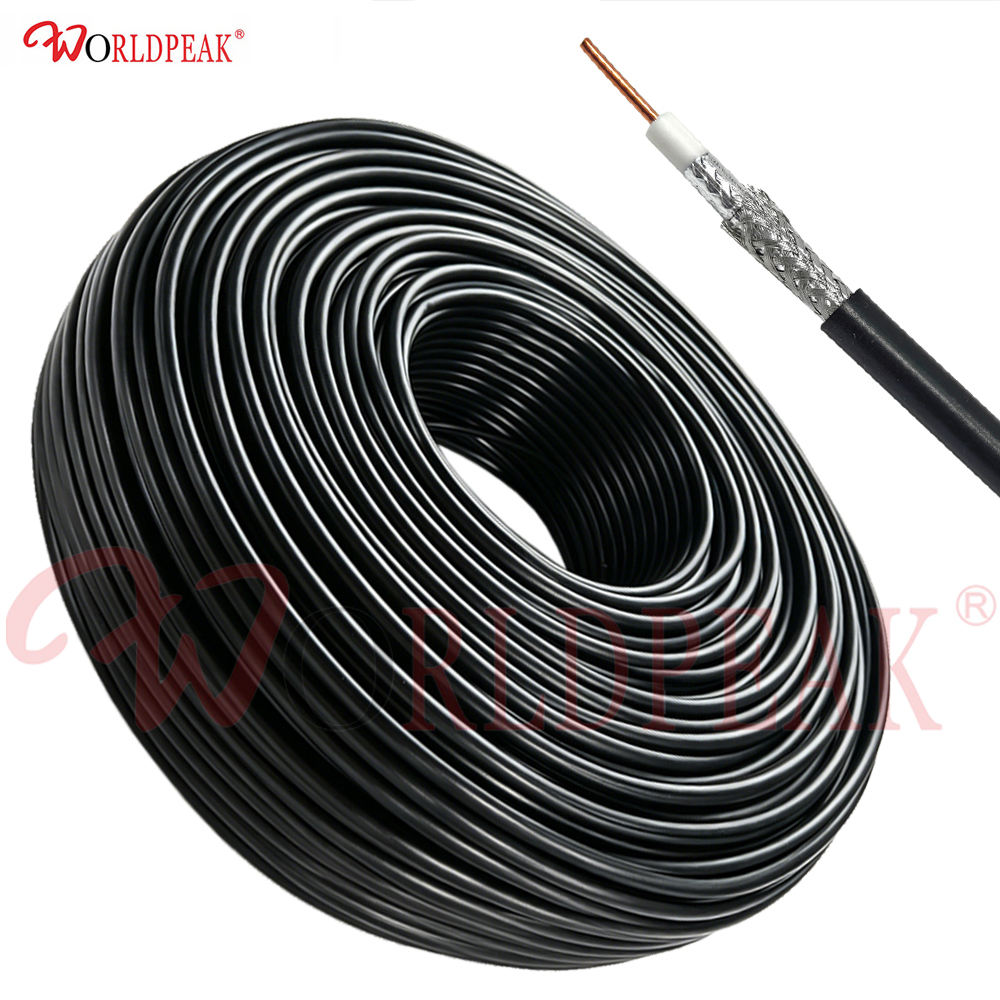
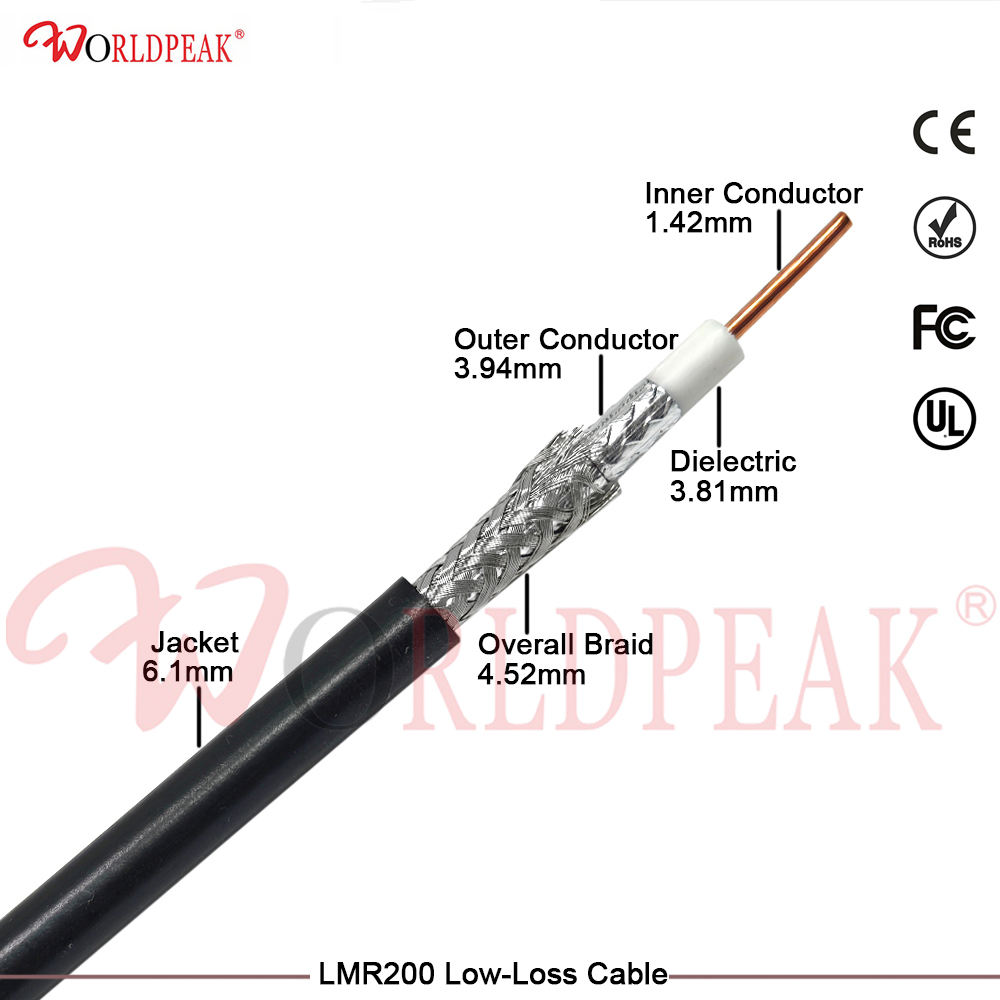
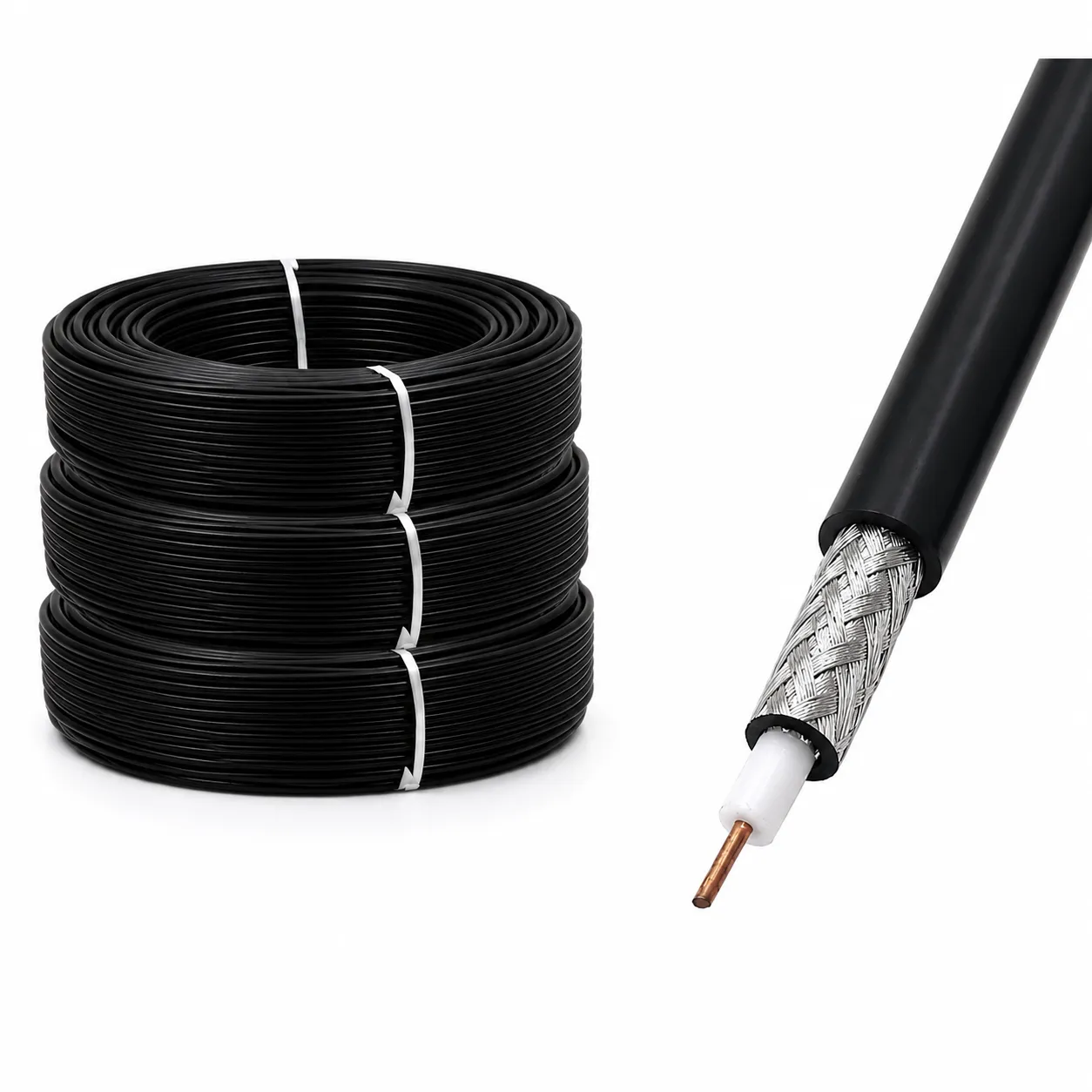
LMR-240 is a 50-ohm, low-loss flexible coaxial cable with an outer diameter of approximately 0.280 inches (7.1 mm). Engineered by Times Microwave Systems (now Amphenol), it features a solid bare copper-clad aluminum (BCC) center conductor, foam PE dielectric, and dual-layer foil + braid shielding. It delivers near-semi-rigid electrical performance while retaining the flexibility needed for field installation and routing through conduits.
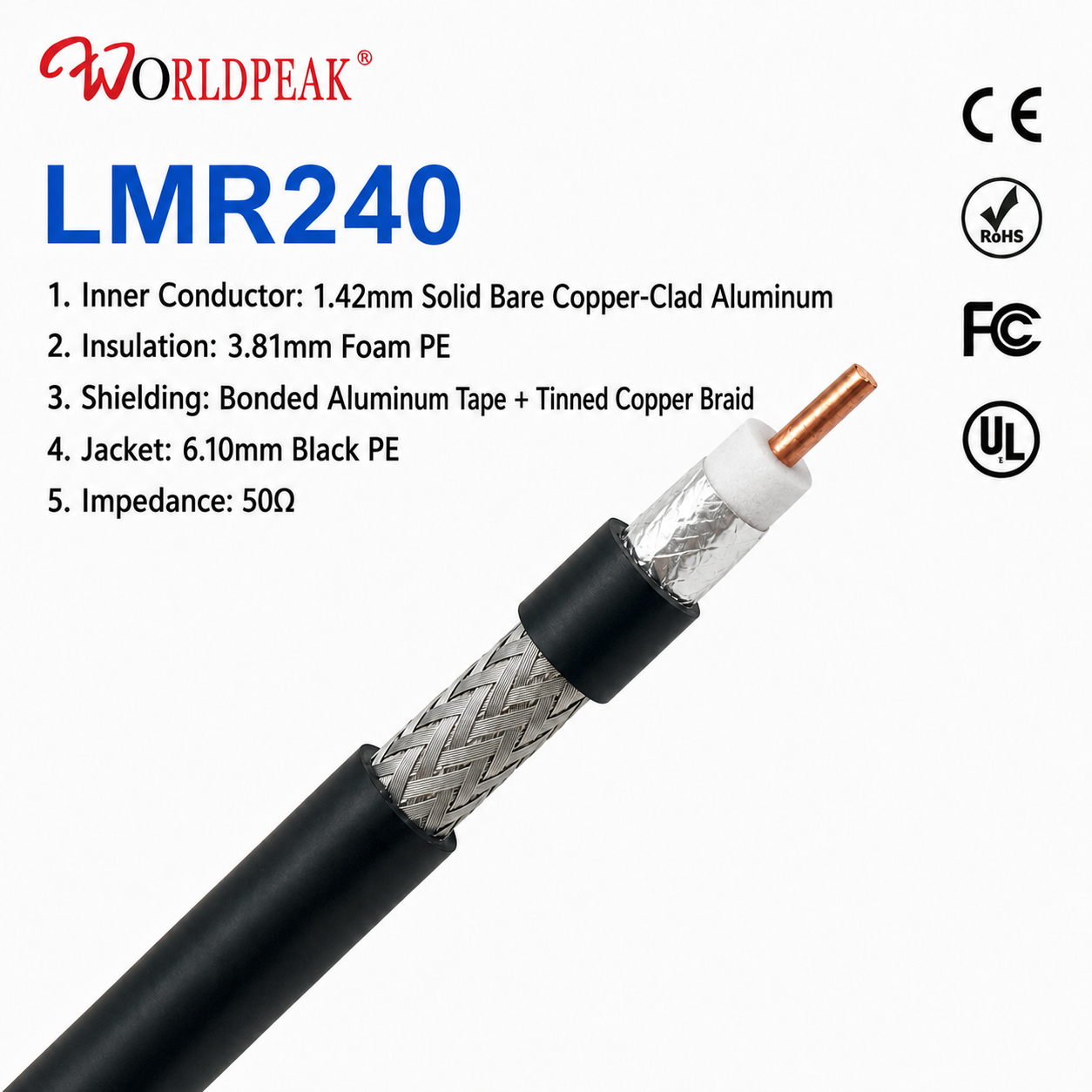
Key Technical Advantages
1. Significant Loss Reduction vs. Legacy Cables
At 2.4 GHz, LMR-240 exhibits approximately 21% lower attenuation than LMR-200 and ~65% lower loss than RG-8X. This translates to several extra dBs of link margin—often the difference between a marginal and a rock-solid wireless connection.
2. True Outdoor & Indoor Versatility
The UV-resistant black PE jacket is rated for direct outdoor burial and aerial exposure without additional weatherproofing. Simultaneously, its smooth surface and moderate stiffness make it easy to pull through indoor conduit and cable trays, unlike stiffer LMR-400.
3. Superior Shielding Integrity
With >90 dB shielding effectiveness from its bonded foil + tinned copper braid construction, LMR-240 prevents both ingress interference and signal leakage. This is critical in dense urban deployments, data centers, and multi-operator DAS environments.
4. Broad Connector Ecosystem
As one of the most widely adopted LMR sizes, LMR-240 enjoys universal connector support. Every major RF connector manufacturer offers dedicated LMR-240 crimp and clamp connectors (N-Type, SMA, BNC, TNC, QMA, etc.), ensuring reliable terminations and consistent VSWR performance.
Quick Specifications at a Glance
|
Parameter |
Specification |
|
Impedance |
50 Ω |
|
Outer Diameter |
0.280" (7.1 mm) |
|
Center Conductor |
Solid BCC, 0.058" (1.47 mm) |
|
Dielectric |
Foam PE |
|
Shielding |
Bonded Foil + Tinned Copper Braid (>90 dB) |
|
Frequency Range |
DC – 6 GHz (usable to 8 GHz) |
|
Velocity of Propagation |
84% |
|
Attenuation @ 900 MHz |
~6.8 dB/100 ft (22.3 dB/100 m) |
|
Attenuation @ 2.4 GHz |
~11.5 dB/100 ft (37.7 dB/100 m) |
|
Min. Bend Radius (Repeated) |
2.8" (71 mm) |
|
Max. Operating Voltage |
1,400 Vrms |
Note: Always verify against your supplier’s official datasheet. Performance may vary slightly between genuine Amphenol/Times Microwave products and third-party equivalents.
Primary Applications
LMR-240 Positioning in the LMR Family
|
Model |
OD |
Loss @2.4GHz |
Flexibility |
Typical Run Length |
Role |
|
LMR-195 |
0.195" |
18.5 dB/100ft |
★★★★★ |
≤3 m |
Jumper / Pigtail |
|
LMR-200 |
0.240" |
14.5 dB/100ft |
★★★★☆ |
3–8 m |
Compact Low-Loss Feed |
|
LMR-240 |
0.280" |
11.5 dB/100ft |
★★★☆☆ |
5–15 m |
Standard Mid-Range Trunk |
|
LMR-400 |
0.405" |
6.8 dB/100ft |
★★☆☆☆ |
15–50 m |
Long-Haul Main Feeder |
|
RG-8X |
0.242" |
~18 dB/100ft |
★★★★☆ |
≤5 m |
Legacy (Not Recommended for New Designs) |
Critical Engineering Notes
Conclusion
LMR-240 has earned its reputation as the workhorse of modern RF infrastructure because it eliminates guesswork. It provides predictable, documented performance across the sub-6 GHz spectrum, installs easily in both indoor and outdoor environments, and supports a mature ecosystem of compatible hardware. For any project requiring reliable mid-distance RF connectivity, LMR-240 remains the benchmark against which all alternatives are measured.
Ready to specify LMR-240 for your next project? [Browse our LMR-240 Cable Assemblies] or [Request a Custom Quote] for bulk cable, connectors, and installation tools. Our RF engineers can also help validate your link budget and cable selection.
2026/10/19
Choose a 90 degree coax connector with practical guidance on RF interfaces, mounting styles, impedance, and tight-space routing.
2026/10/18
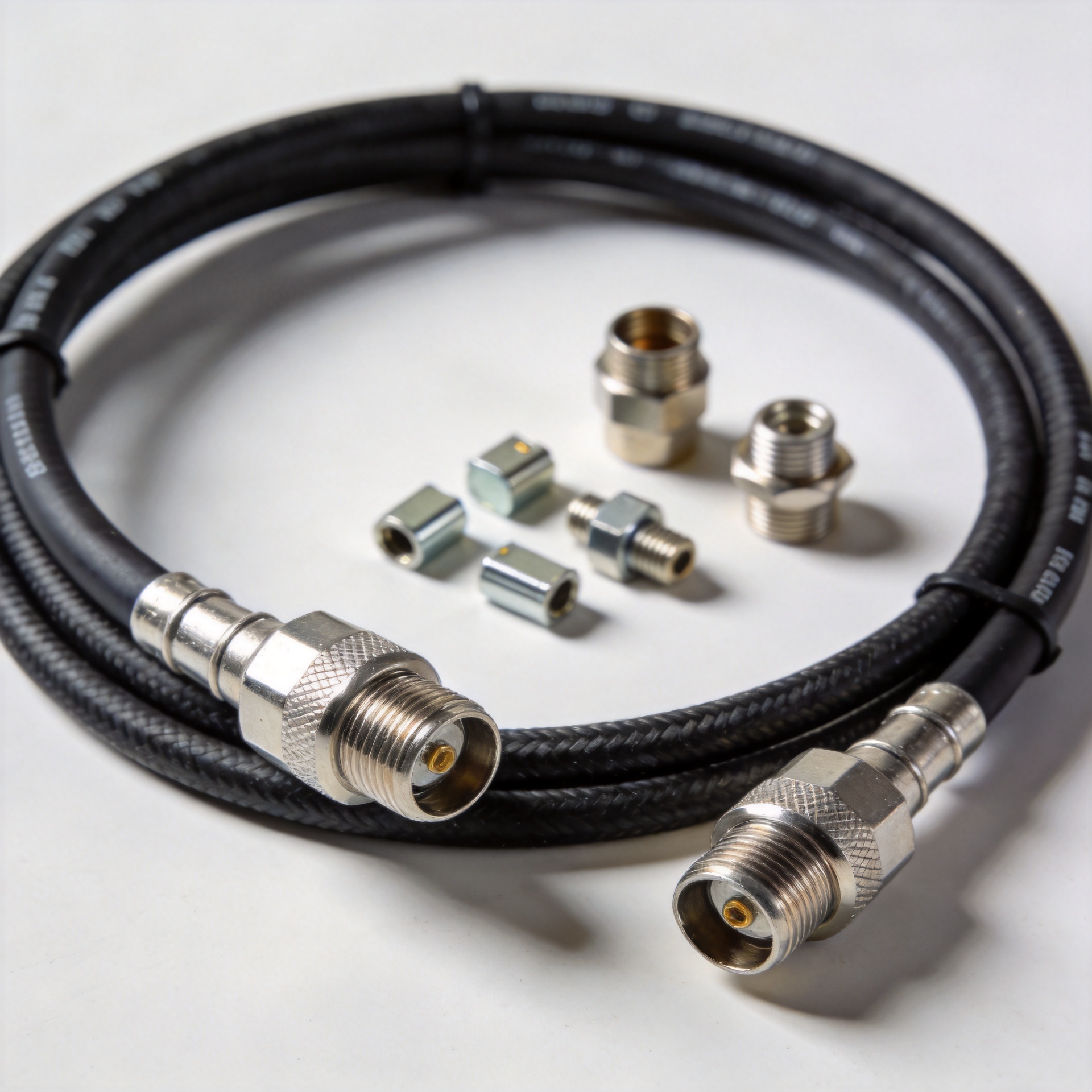
Choose rf semi-rigid cable by loss, shielding, impedance, and bend geometry for precise RF and microwave assemblies.
2026/10/17
Choose a 50 ohm RG cable by type, impedance, connectors, jacket, routing needs, and indoor or outdoor installation conditions.
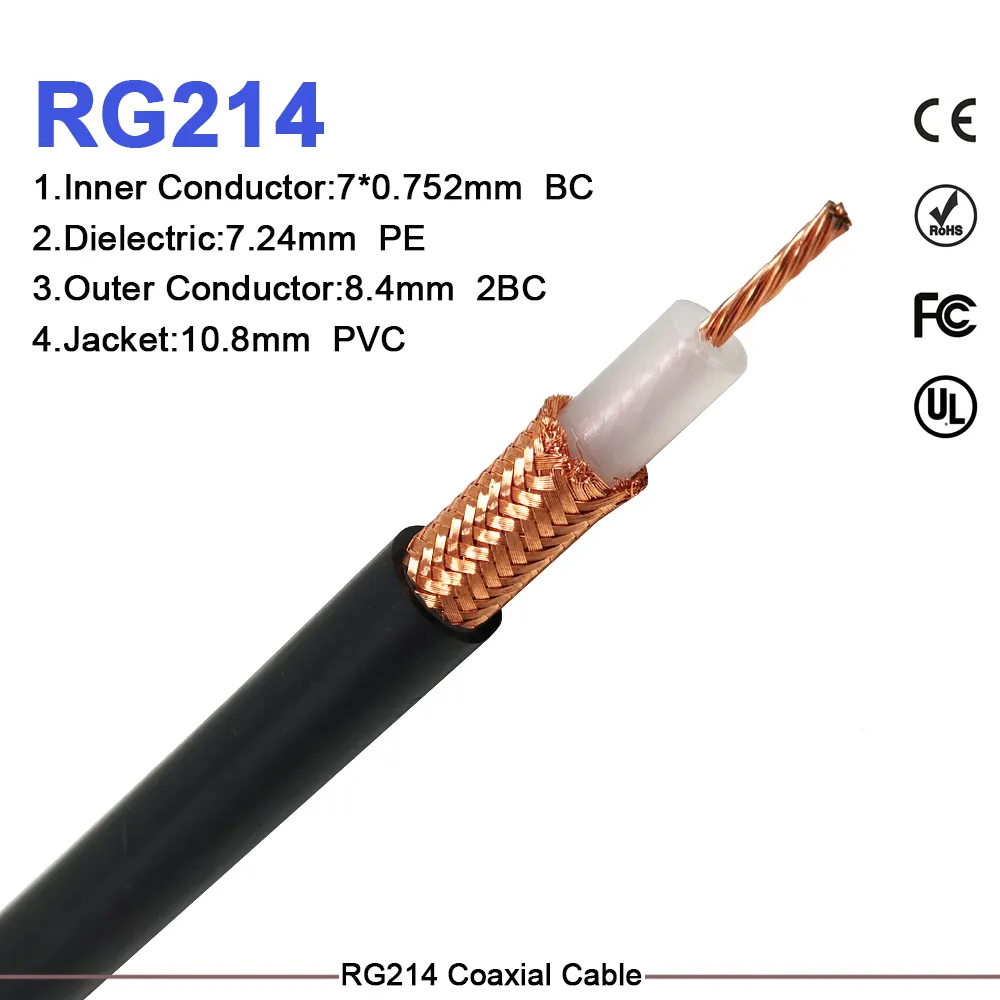
2026/10/16
Compare rg214 coax construction, 50-ohm uses, shielding, attenuation, installation limits, and practical cable selection steps.
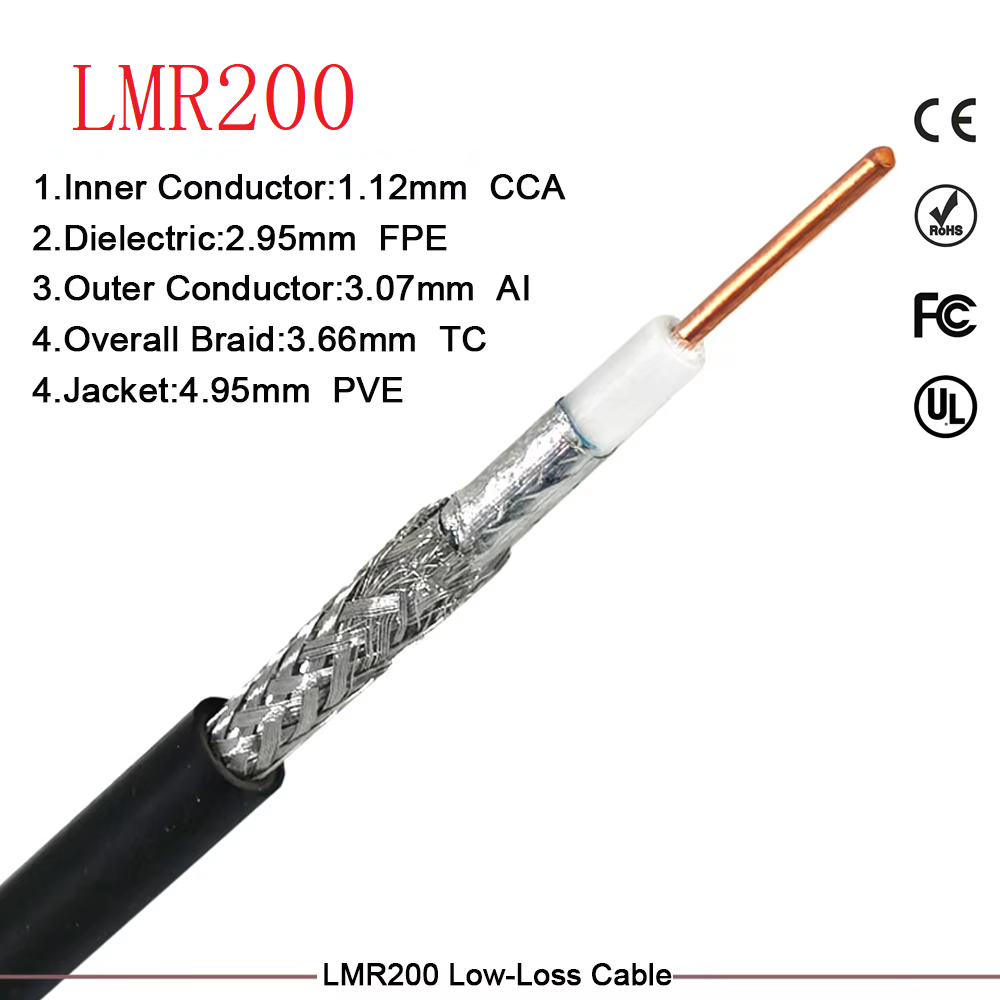
2026/10/14
When designing RF systems, engineers often face a trade-off: choose a thin, flexible cable with higher signal loss, or a thick, low-loss cable that is difficult to route in tight spaces. LMR-200 coaxial cable was engineered to solve this exact dilemm...