EN

Custom RF Connectors in Telecom Infrastructure: A Field Guide to Reliable Performance
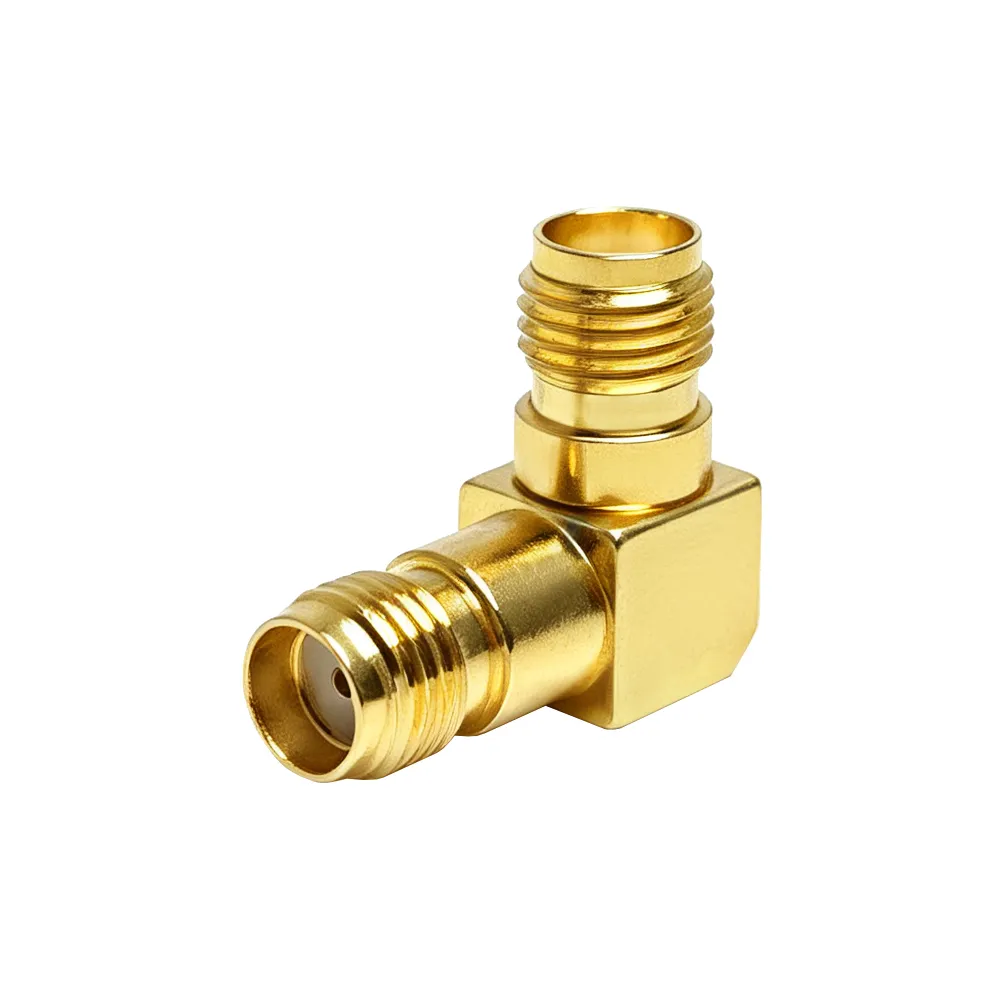
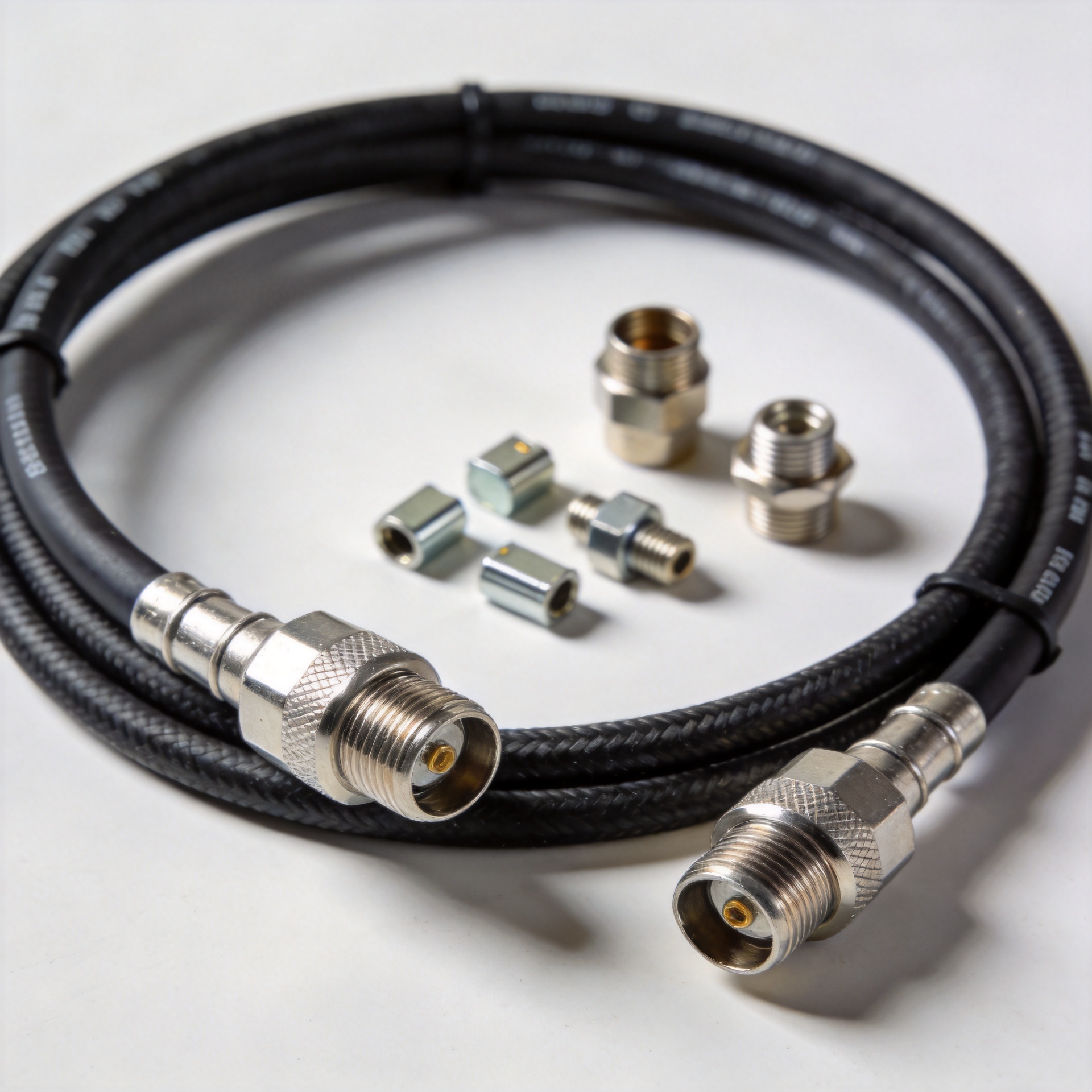
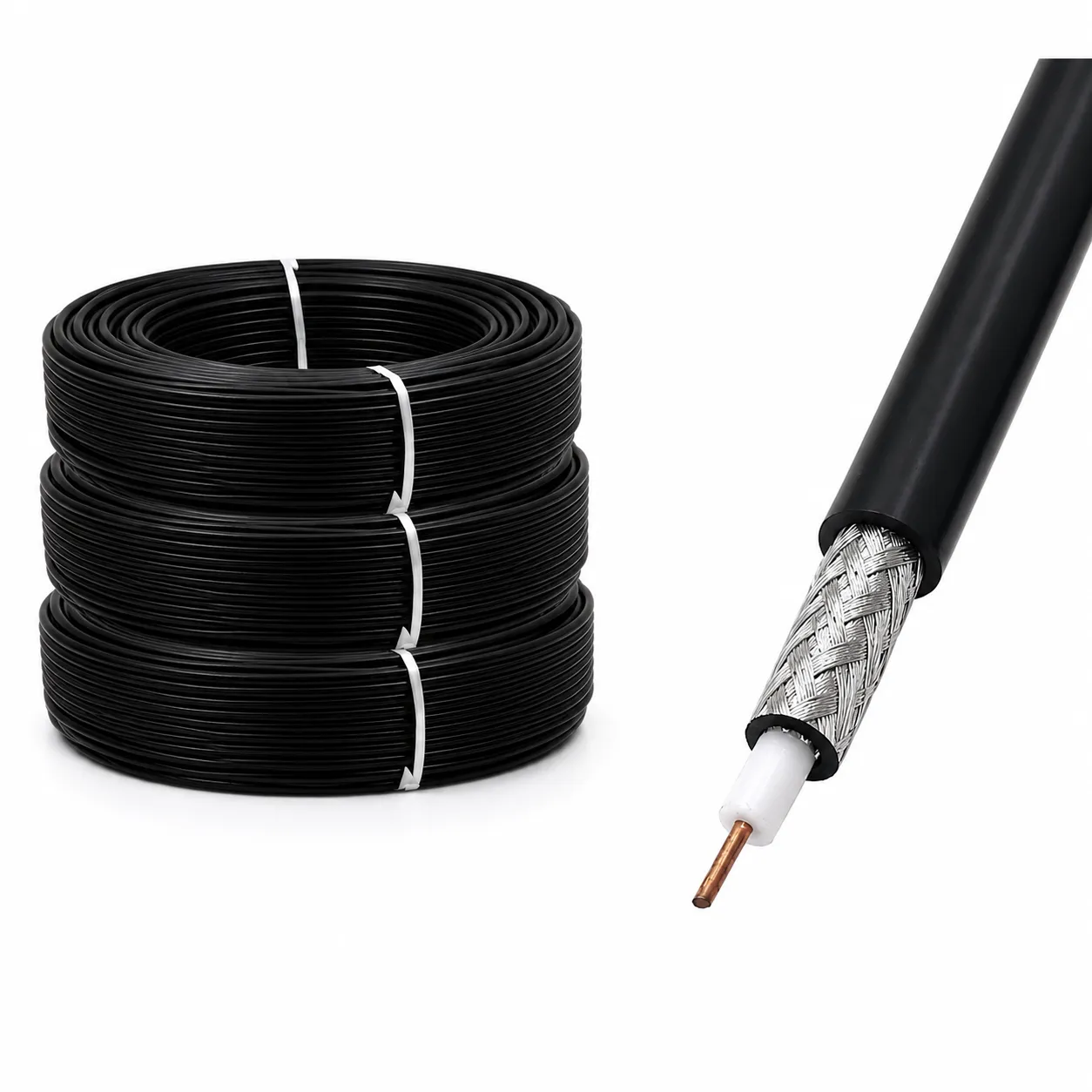
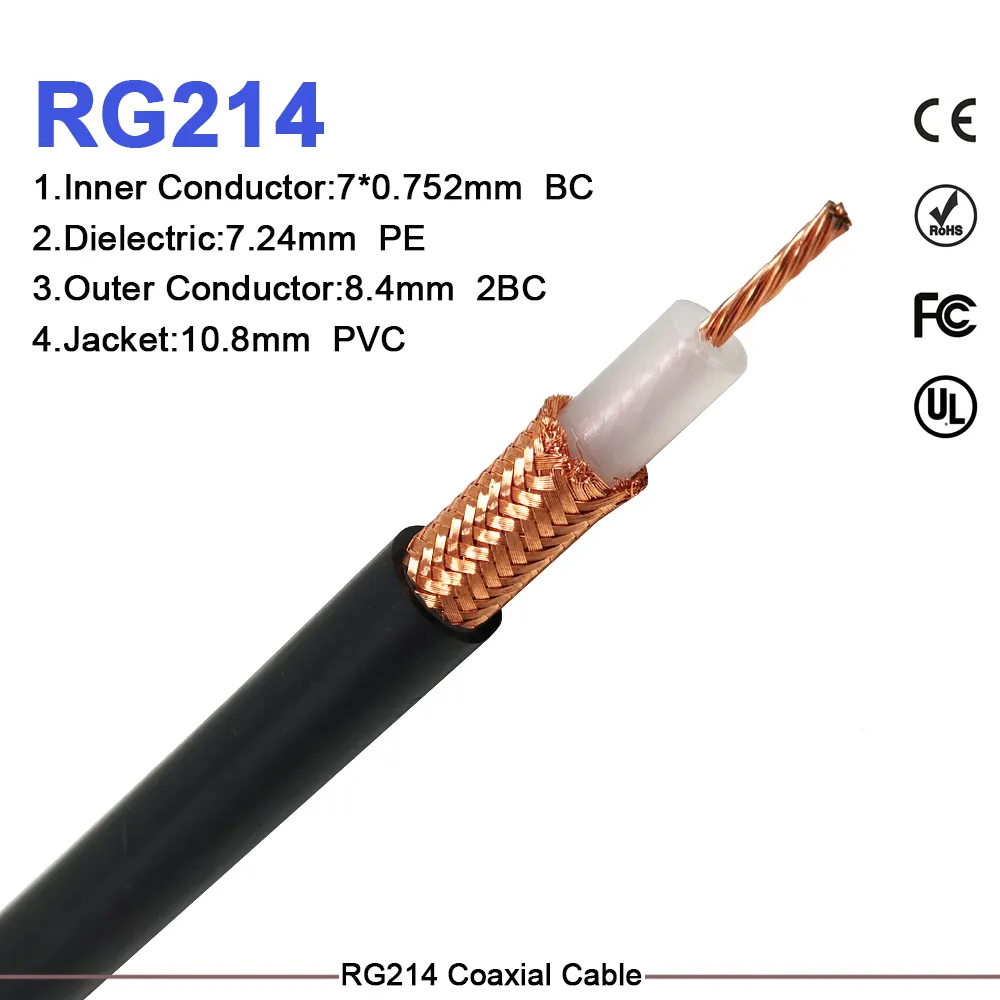
Modern telecommunication networks rely heavily on the seamless transmission of high-frequency radio signals across vast geographic distances. From cellular macro towers and distributed antenna systems (DAS) to satellite ground stations and enterprise communication hubs, every single connection point dictates overall network throughput and reliability. Off-the-shelf coaxial hardware frequently falls short when confronted with extreme environmental stressors, dense frequency bands, and multi-carrier signal loads. To overcome these engineering bottlenecks, network operators and hardware integrators increasingly specify custom RF connectors tailored to the unique physical and electrical demands of modern telecom infrastructure.
Deploying precision-engineered interconnects ensures uncompromised signal integrity across complex high-frequency networks, preventing packet loss, mitigating insertion loss, and eliminating expensive field maintenance overhead. This guide explores the critical design considerations, technical specifications, and manufacturing standards required to achieve optimal system performance.
The Engineering Challenge of Interconnects in Telecom Infrastructure
Telecommunication hardware operates under punishing environmental and mechanical conditions. Outdoor antennas, remote radio units (RRUs), and tower-mounted amplifiers (TMAs) are constantly exposed to severe thermal cycling, high wind loads, heavy precipitation, and aggressive ultraviolet radiation. In this demanding operational environment, standard commercial-grade connectors often experience micro-movement, galvanic corrosion, or dielectric degradation.
When deploying telecom infrastructure, system engineers must prioritize components that deliver exceptional mechanical stability and continuous electrical performance. Utilizing custom RF connectors allows equipment manufacturers to address specific site challenges through targeted design modifications:
-
Plating Optimization: Utilizing thick silver or gold over nickel plating on beryllium copper contacts to minimize skin-effect resistance and prevent oxidation over decades of continuous outdoor service.
-
Hermetic and IP68 Sealing: Incorporating precision O-rings and laser-welded body structures to prevent moisture ingress in coastal or high-humidity installation sites.
-
Optimized Body Geometry: Designing custom housing dimensions to fit restrictive spatial enclosures inside compact base station cabinets without inducing mechanical strain on internal circuit boards.
-
Strain Relief and Coupling Security: Integrating specialized locking mechanisms and heavy-duty coupling nuts to withstand continuous mechanical vibration caused by high winds against tower structures.
Preserving Signal Integrity in High-Frequency Networks
As global communication networks expand into higher frequency spectra—including mid-band 5G and millimeter-wave frequencies—maintaining absolute signal integrity becomes exponentially more difficult. Impedance discontinuities within the transmission path trigger severe voltage standing wave ratio (VSWR) spikes, signal reflection, and passive intermodulation (PIM).
In advanced high-frequency networks, even microscopic manufacturing flaws in a connector interface can severely degrade carrier signal-to-noise ratios. WORLDPEAK engineers custom RF connectors with tightly controlled characteristic impedance tolerances, advanced dielectric materials such as low-loss PTFE, and specialized contact designs that suppress spurious signal generation. This meticulous attention to electrical performance ensures maximum power transfer from transmitter to antenna, safeguarding data throughput across the entire network.
Parameter Comparison: Standard vs. Custom Interconnect Solutions
To assist procurement teams and system architects in selecting the optimal hardware for their deployment projects, the following table compares standard commercial connectors with WORLDPEAK engineered solutions for telecom infrastructure:
| Evaluation Criterion | Standard Commercial RF Connectors | WORLDPEAK Custom RF Connectors |
| Impedance Tolerance | Nominal 50 ohm with wider variance. | Precision-tuned 50 ohm for minimal VSWR. |
| Environmental Protection | Basic IP65 rating for indoor or sheltered use. | Hermetically sealed IP68 rating with salt-fog resistance. |
| Intermodulation Performance | Standard PIM levels (-105 dBm to -120 dBm). | Ultra-low PIM design (-155 dBm or better). |
| Mechanical Durability | Standard coupling mechanism, prone to loosening under vibration. | Lock-wire or heavy-duty threaded coupling with high vibration resistance. |
Rigorous Factory Quality Control and Testing Protocols
Delivering faultless components for mission-critical telecom infrastructure requires a comprehensive quality assurance framework. A single defective connector can cause sudden cell site downtime, leading to costly carrier penalties and expensive technician dispatches.
WORLDPEAK enforces a stringent factory inspection regime for every batch of custom RF connectors:
-
Vector Network Analyzer (VNA) Sweeps: Every production lot is tested across its full frequency band to verify optimal return loss and insertion loss.
-
Intermodulation Distortion Testing: Specialized PIM chambers measure third-order intercept characteristics to ensure multi-carrier signal purity in high-frequency networks.
-
Environmental Stress Screening: Components undergo accelerated thermal aging, salt spray corrosion resistance testing, and mechanical mating durability cycles.
-
Dimensional Optical Inspection: Automated optical measuring systems verify that every mating pin and outer shell conforms strictly to engineering blueprints.
By adhering to these rigorous verification standards, WORLDPEAK ensures that communication manufacturers receive reliable, field-proven hardware that safeguards network uptime.
Integrating Custom Connectors Into Your Supply Chain
Optimizing your hardware supply chain with purpose-built interconnects significantly reduces installation friction and long-term operating costs. Partnering with an experienced manufacturer like WORLDPEAK guarantees access to advanced engineering support, rapid prototyping, and scalable volume production.
To explore our complete range of telecommunications hardware and custom engineering services, visit our main