EN

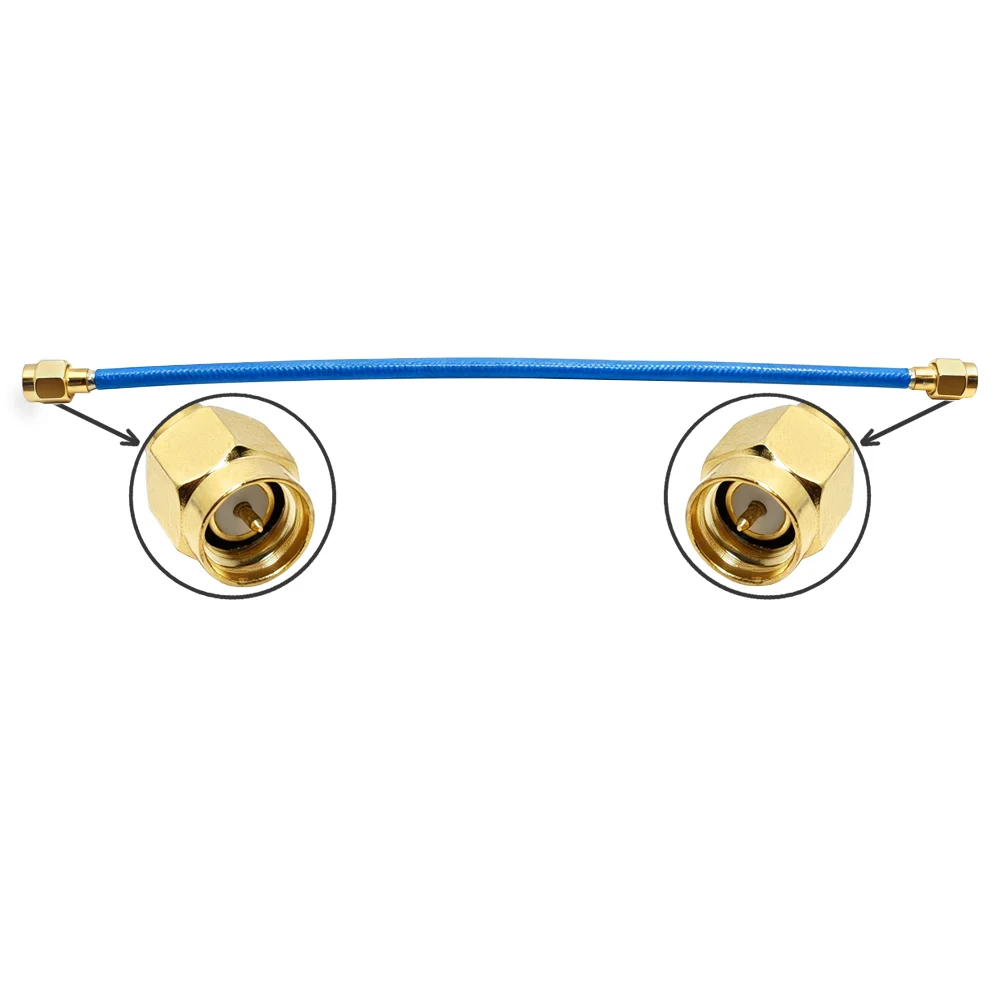
As global telecommunications networks aggressively transition toward standalone 5G architectures and millimeter-wave (mmWave) frequencies, the physical demands placed on transmission lines have reached unprecedented levels. Modern cellular base stations, massive MIMO antenna arrays, and high-speed communication backhauls require a specialized high-frequency RF cable to maintain signal integrity across demanding bandwidths. Conventional coaxial cabling frequently suffers from severe attenuation, thermal drift, and impedance mismatch when operating above 6 GHz. To eliminate these operational bottlenecks, Worldpeak RF Connectors has engineered an advanced portfolio of high-frequency RF cable solutions. Each high-frequency RF cable is meticulously designed to deliver ultra-low insertion loss, superior phase tracking, and robust shielding effectiveness for mission-critical wireless infrastructure.
Material Science and Conductor Engineering in a High-Frequency RF Cable
The foundation of any reliable high-frequency RF cable lies in its uncompromising material composition and dimensional precision. At frequencies approaching 40 GHz and beyond, electromagnetic signals migrate entirely to the outermost microscopic boundary of the conductor via skin effect. Consequently, surface imperfections, minor concentricity variations, and molecular impurities within standard copper wiring can introduce catastrophic signal degradation.
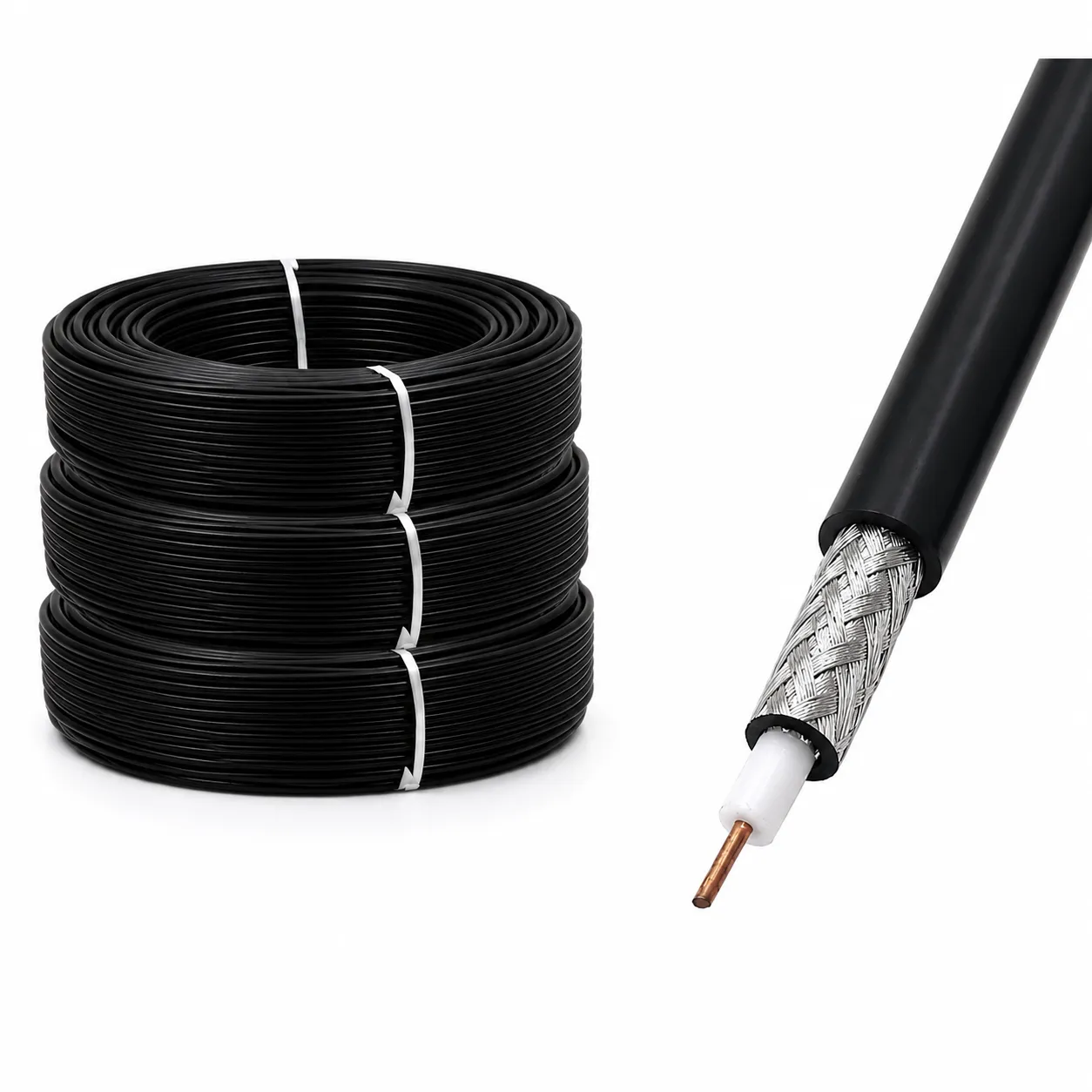
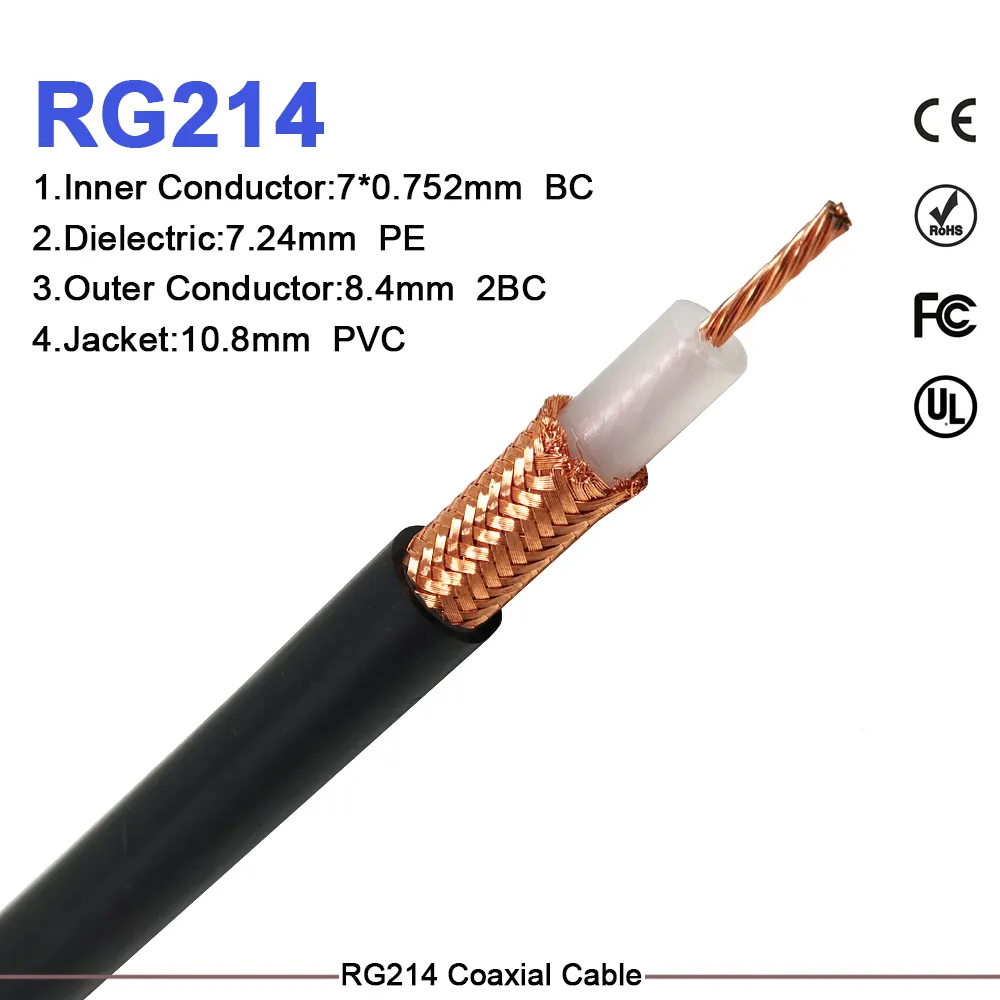
To mitigate these physical phenomena, a premium high-frequency RF cable manufactured by Worldpeak utilizes high-purity oxygen-free silver-plated copper conductors paired with microporous expanded polytetrafluoroethylene (ePTFE) dielectrics. Because ePTFE exhibits a dielectric permittivity close to that of free space, a properly constructed high-frequency RF cable drastically reduces phase velocity variations and dielectric absorption losses. Furthermore, multi-layer composite outer shielding—combining silver-plated flat wire braids and spiral metal foils—guarantees that every deployed high-frequency RF cable achieves shielding effectiveness exceeding 110 dB, completely eliminating electromagnetic radiation leakage across dense cellular networks.
Technical Parameter Matrix: Comparing High-Performance Transmission Lines
To assist telecommunications engineers and procurement specialists in selecting the optimal interconnect architecture for 5G deployments, the comparative matrix below outlines key electrical and mechanical parameters across distinct cable grades.
| Performance Metric | Premium ePTFE High-Frequency RF Cable | Standard Solid PTFE Coaxial Line | Flexible Polyethylene (PE) Cable |
| Operating Frequency Ceiling | Up to 67 GHz (mmWave ready) | Up to 18 GHz (Standard microwave) | Up to 3 GHz (Sub-6 GHz only) |
| Insertion Loss at 20 GHz | Exceptionally low (Minimal attenuation) | Moderate loss levels | High attenuation / Unusable |
| Phase Stability vs. Temperature | Superior (Near-zero thermal drift) | Moderate thermal variance | Poor (Severe phase distortion) |
| Primary 5G / mmWave Deployment | Active antenna units, massive MIMO feeds | Indoor base station jumpers | Legacy indoor routing |
Real-World Engineering Case Study: Urban 5G Massive MIMO Base Station Upgrade
To demonstrate the operational efficacy of deploying a specialized high-frequency RF cable in demanding real-world environments, consider a recent infrastructure upgrade executed by Worldpeak for a major metropolitan 5G cellular network expansion.
The telecommunications provider experienced intermittent data throughput throttling and high return loss readings on several rooftop massive MIMO base stations operating in the 28 GHz frequency band. Initial investigations revealed that legacy jumper cables were suffering from severe thermal degradation and phase instability under direct solar radiation and extreme seasonal temperature swings.
By replacing the legacy cabling infrastructure with Worldpeak armor-jacketed high-frequency RF cable assemblies, the engineering team successfully resolved the transmission bottlenecks. The deployment of this advanced high-frequency RF cable achieved a remarkable 45% reduction in total insertion loss, maintained phase tracking within plus-or-minus 1.5 degrees across a negative 40 degree to plus 85 degree Celsius operating range, and eliminated weather-related downtime entirely. This seamless upgrade ensured robust multi-gigabit data delivery across the entire urban coverage cell.
Factory Quality Assurance and Automated VNA Testing Protocols
Compliance with stringent international quality standards is mandatory when supplying components for global telecommunications networks. At Worldpeak RF Connectors, the production of every high-frequency RF cable is governed by strict ISO 9001 quality management systems and verified against relevant international IEC and MIL-PRF specifications.
The manufacturing and testing workflow incorporates four rigorous phases:
-
Raw Material Metallurgical Inspection: All incoming copper and dielectric materials undergo chemical and spectral analysis to ensure 100% IACS conductivity before entering production.
-
Precision Extrusion and Laser Micrometer Monitoring: Automated machinery applies ePTFE dielectrics under tightly controlled tension, while laser sensors verify diameter consistency down to the micron level.
-
Shielding and Armor Integration: Robust outer braids and optional stainless steel interlocked armor jackets are applied to protect the internal core from crushing forces and environmental moisture.
-
100% Automated Vector Network Analyzer (VNA) Sweeping: Every finished high-frequency RF cable assembly is individually tested on automated VNAs operating up to 67 GHz, verifying that return loss, insertion loss, and VSWR strictly surpass factory benchmarks prior to packaging.
Procurement Guidelines for Telecommunications Engineering Teams
When specifying a high-frequency RF cable for commercial 5G or defense communications projects, design engineers should evaluate several critical operational factors:
-
Cutoff Frequency Thresholds: Ensure the inner and outer diameters of the chosen high-frequency RF cable prevent higher-order mode propagation across your maximum operational bandwidth.
-
Environmental Sealing and Durability: For outdoor base station or harsh industrial deployments, select variants equipped with weather-resistant outer jackets and corrosion-resistant connector platings.
-
Minimum Bend Radius Constraints: Review physical routing pathways to ensure the deployed high-frequency RF cable does not exceed recommended bend radii, which could otherwise induce mechanical stress on internal dielectric structures.
Conclusion and Strategic Next Steps
In summary, successful deployment of high-frequency telecommunications infrastructure requires uncompromising adherence to advanced material science, precision manufacturing, and rigorous quality control. Integrating a professionally engineered high-frequency RF cable safeguards signal integrity, eliminates excessive insertion loss, and guarantees reliable multi-gigabit performance across 5G and millimeter-wave wireless networks.
To explore our comprehensive industry frameworks, multi-frequency system architectures, and complete component catalogs, review our primary pillar guide on