 EN

90-Degree Coax Connector: Right-Angle RF Solutions
2026/10/19
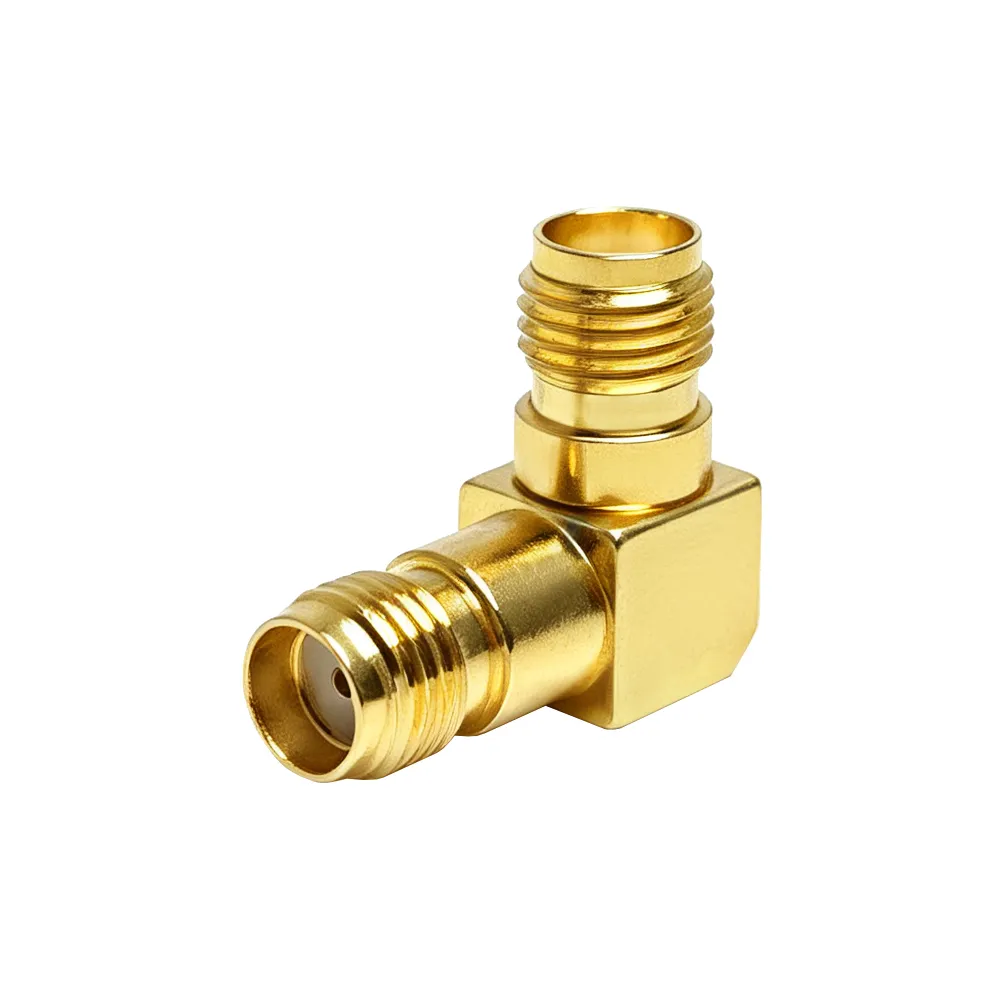
Choose a 90 degree coax connector with practical guidance on RF interfaces, mounting styles, impedance, and tight-space routing.
2026/10/13
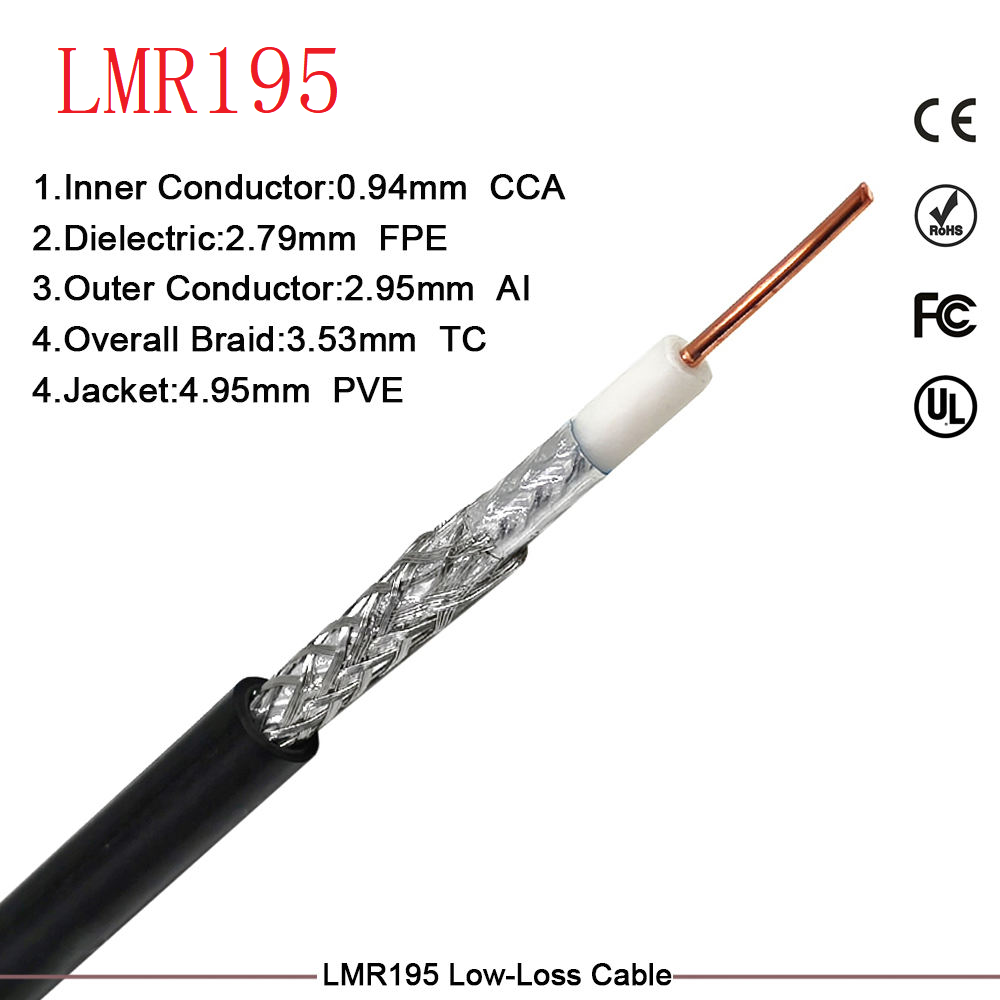
Date: October 13, 2026
Category: RF Components / Technical Insights
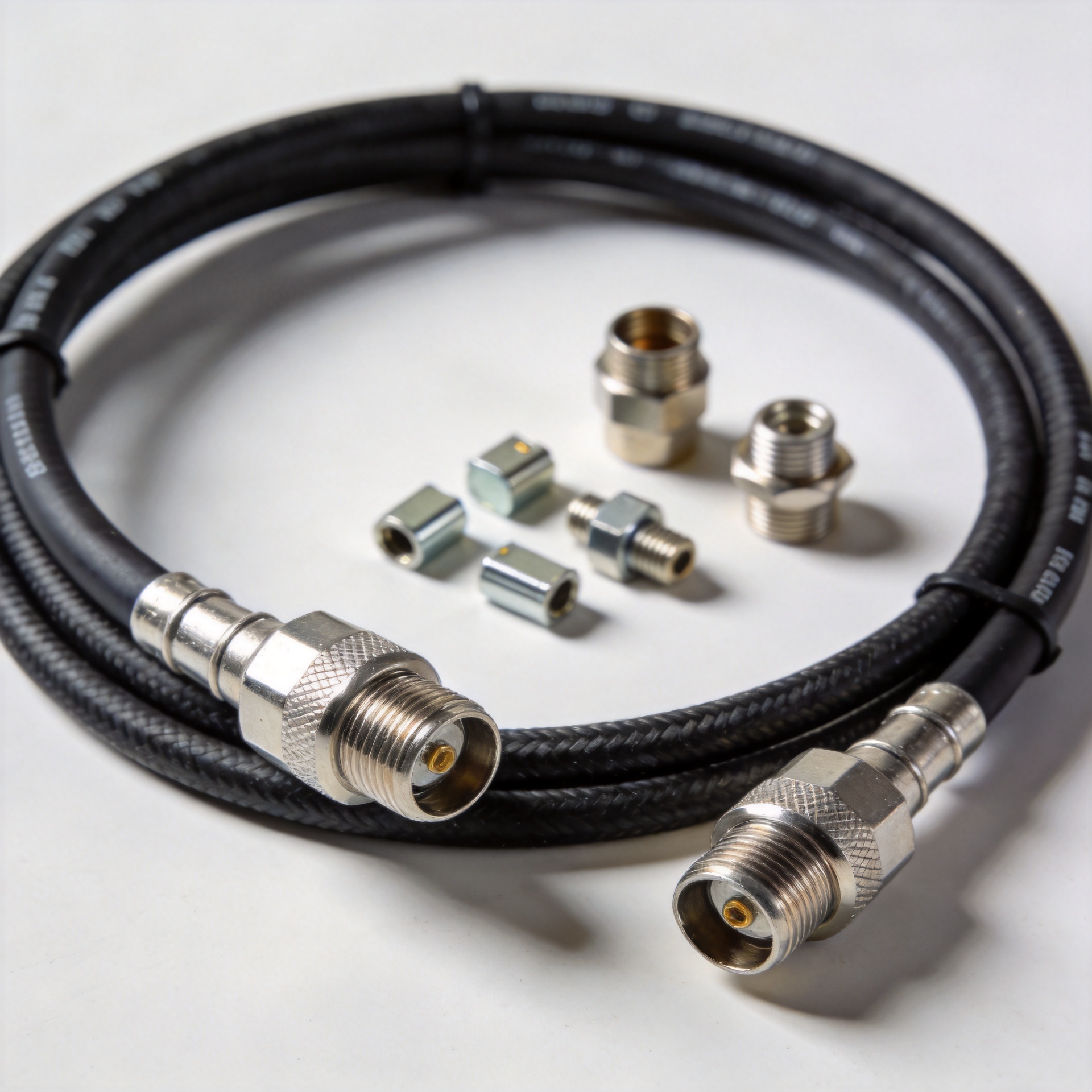
In the world of wireless communication and RF engineering, signal integrity is everything. For decades, RG-58 has been the industry standard for short-range coaxial connections. However, as modern applications demand higher frequencies and lower latency, legacy cables often fall short. Enter LMR-195, a high-performance, low-loss flexible coaxial cable designed specifically to bridge the gap between traditional RG-58 and thicker, less manageable alternatives.
Whether you are upgrading a Wi-Fi infrastructure, deploying IoT sensors, or maintaining amateur radio equipment, understanding LMR-195 is key to optimizing your RF system.
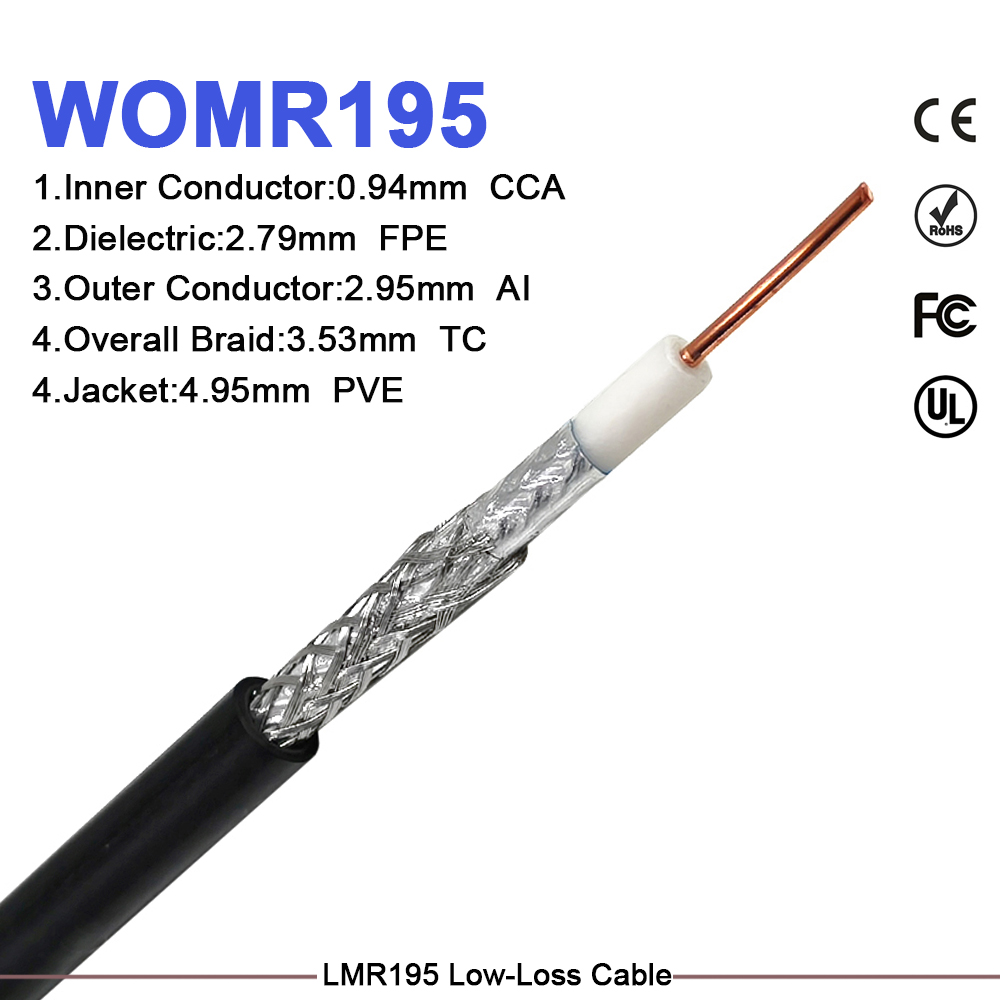
What Is LMR-195?
LMR-195 is a 50-ohm coaxial cable that serves as a direct, drop-in replacement for RG-58. Originally developed by Times Microwave Systems (now part of Amphenol), it features advanced foam PE insulation and superior shielding technology. Despite having nearly identical physical dimensions to RG-58 (~0.195" OD), it delivers significantly better electrical performance, making it the preferred choice for professionals who need flexibility without sacrificing signal quality.
Key Technical Advantages
1. Superior Signal Attenuation
The most significant advantage of LMR-195 is its low loss. At 2.4 GHz, LMR-195 exhibits approximately 45% less attenuation than standard RG-58. This translates to stronger signals at the antenna and improved link budgets for critical communications.
2. Exceptional Shielding (>90 dB)
Unlike single-braid RG-58 cables that offer only ~40 dB of shielding, LMR-195 utilizes a dual-shield design consisting of aluminum foil and tinned copper braid. This provides >90 dB shielding effectiveness, virtually eliminating RFI/EMI interference and preventing signal leakage in dense electronic environments.
3. Flexibility & Durability
Despite its high performance, LMR-195 remains highly flexible. It supports repeated bending with a minimum bend radius of just 2 inches (50.8 mm) for long-term installations. The UV-resistant black PE jacket ensures longevity in outdoor deployments, resisting moisture, sunlight, and temperature extremes.
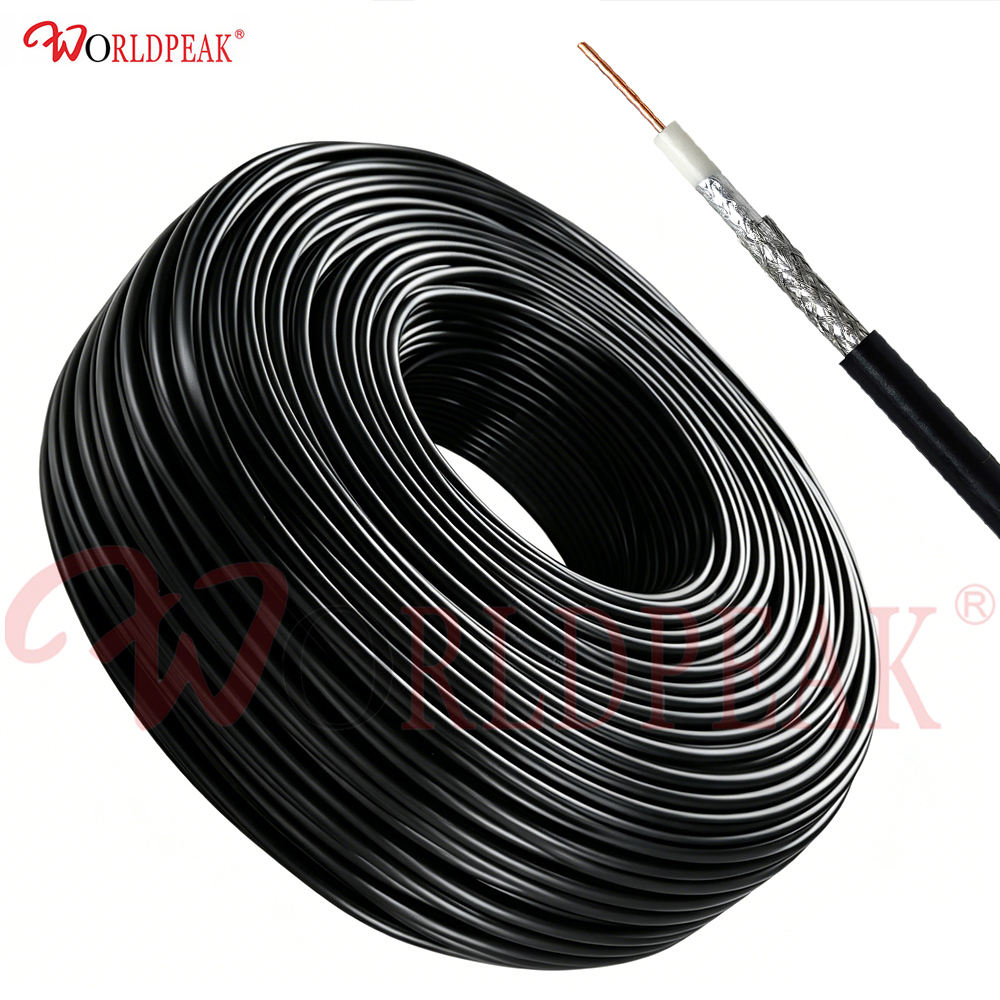
Quick Specifications at a Glance
|
Parameter |
Specification |
|
Impedance |
50 Ω |
|
Outer Diameter |
0.195" (4.95 mm) |
|
Inner Conductor |
Bare Copper Clad Aluminum (BCC) or Solid Copper |
|
Dielectric |
Foam PE |
|
Frequency Range |
DC – 6 GHz |
|
Velocity of Propagation |
80% |
|
Attenuation @ 900 MHz |
~10.5 dB/100 ft |
|
Attenuation @ 2.4 GHz |
~18.5 dB/100 ft |
|
Shielding Effectiveness |
>90 dB |
Note: Always verify specifications with your supplier’s datasheet, as minor variations may exist between manufacturers.
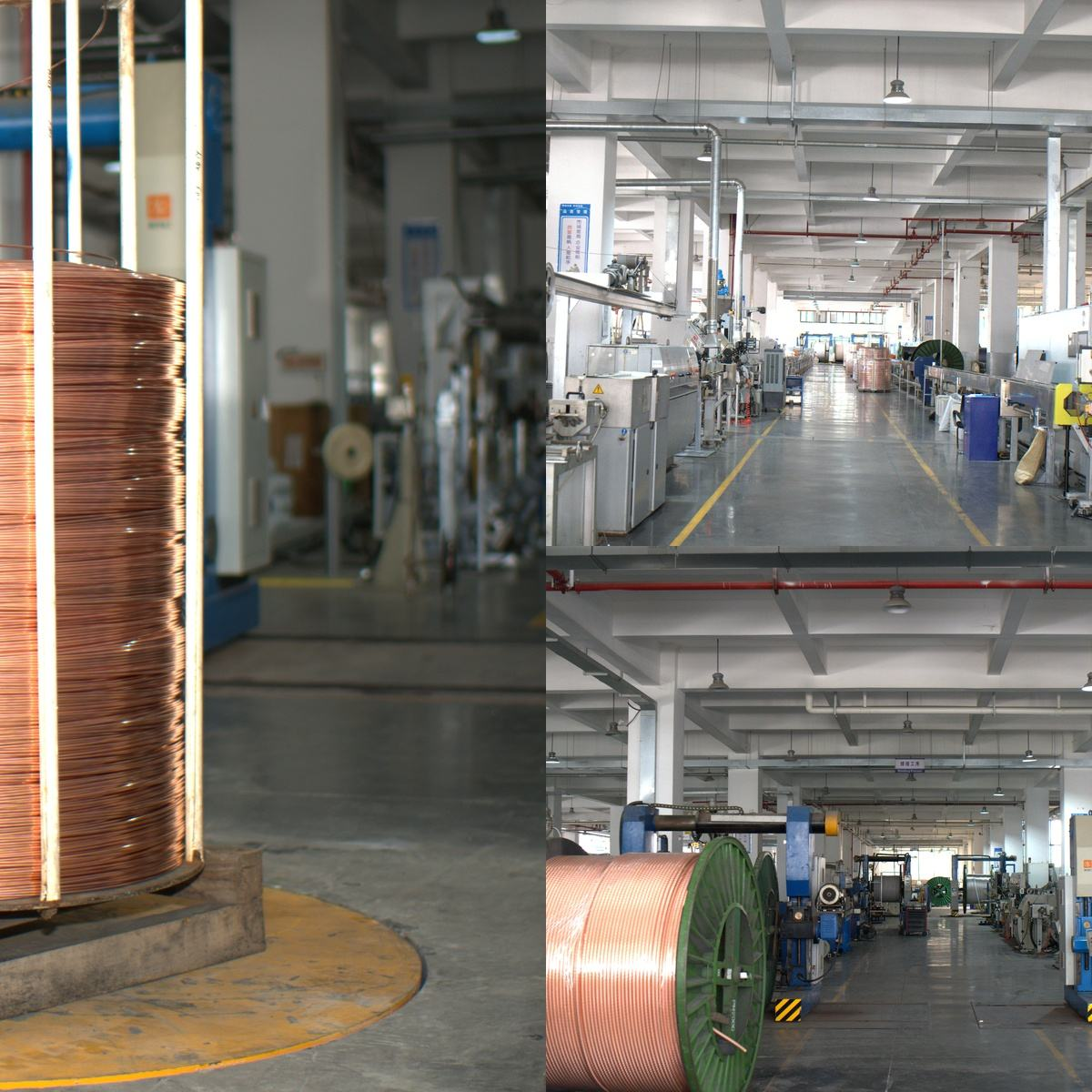
Primary Applications
LMR-195 is versatile enough for both commercial and industrial use cases:
LMR-195 vs. RG-58: Why Upgrade?
If your current setup uses RG-58 and you are experiencing signal degradation, LMR-195 offers a seamless migration path:
Expert Selection Tips
Pro Tip: While LMR-195 outperforms RG-58, it is still a thin-diameter cable. For runs exceeding 3–5 meters at 2.4 GHz+, consider stepping up to LMR-240 or LMR-400 to maintain acceptable signal levels. Use LMR-195 primarily for jumpers, pigtails, and short-distance feeds where flexibility and space are constrained.
Conclusion
LMR-195 represents the sweet spot in RF cabling: compact, flexible, affordable, and significantly more capable than legacy standards. For system integrators, installers, and DIY enthusiasts looking to maximize RF performance without overhauling their entire connector ecosystem, LMR-195 is the definitive upgrade.
Looking for LMR-195 assemblies or custom RF solutions? [Contact our sales team] or browse our [Coaxial Cable Catalog] for detailed datasheets and pricing.
2026/10/19
Choose a 90 degree coax connector with practical guidance on RF interfaces, mounting styles, impedance, and tight-space routing.
2026/10/18
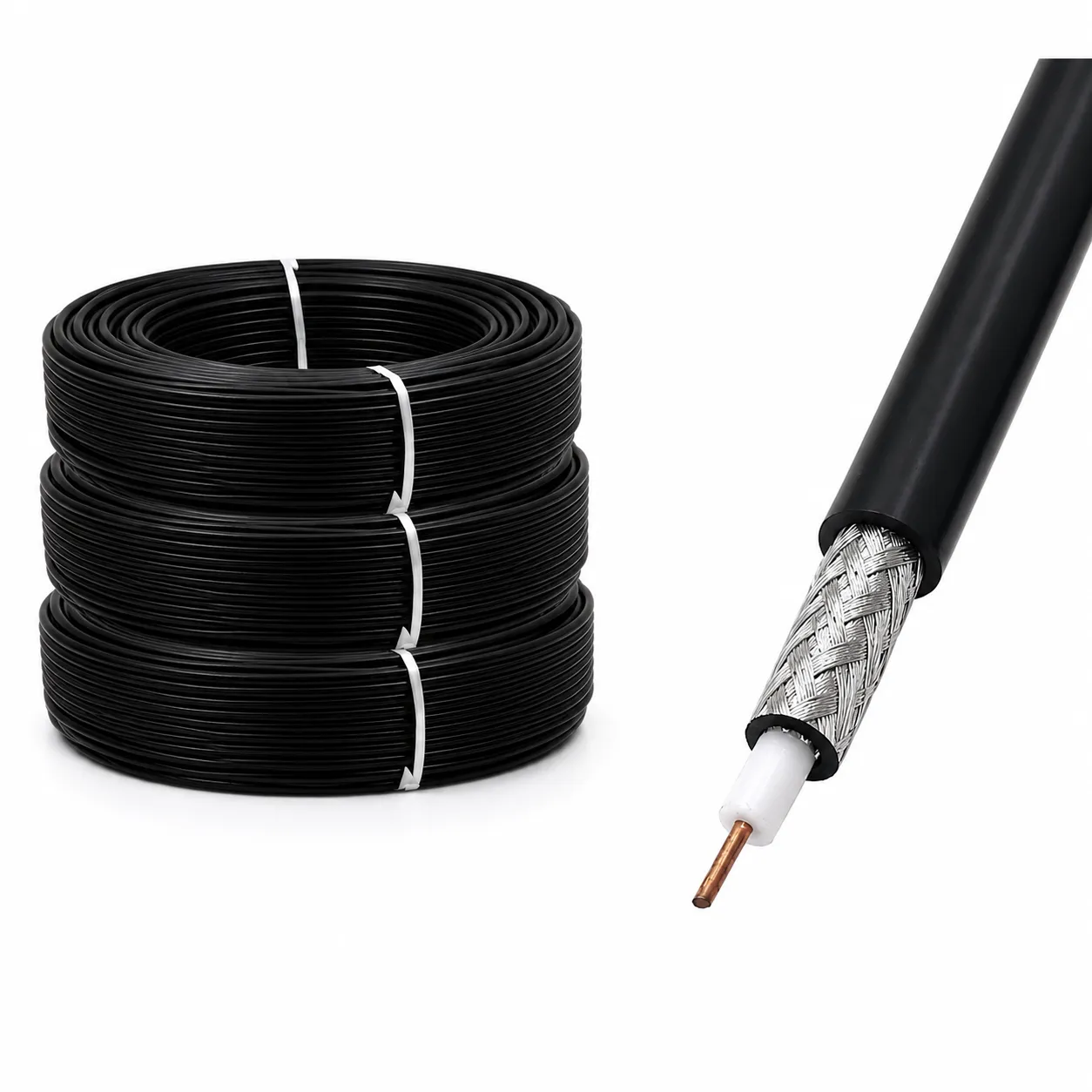
Choose rf semi-rigid cable by loss, shielding, impedance, and bend geometry for precise RF and microwave assemblies.
2026/10/17
Choose a 50 ohm RG cable by type, impedance, connectors, jacket, routing needs, and indoor or outdoor installation conditions.
2026/10/16
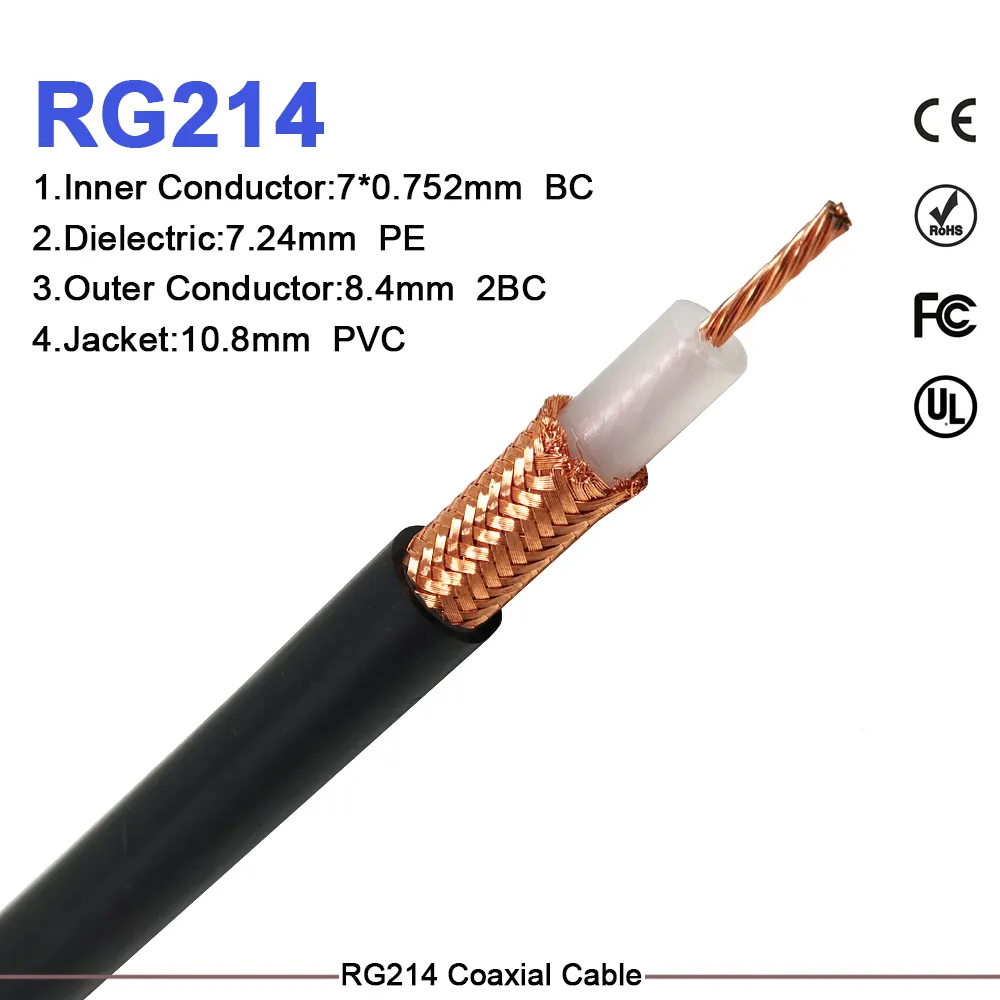
Compare rg214 coax construction, 50-ohm uses, shielding, attenuation, installation limits, and practical cable selection steps.
2026/10/15
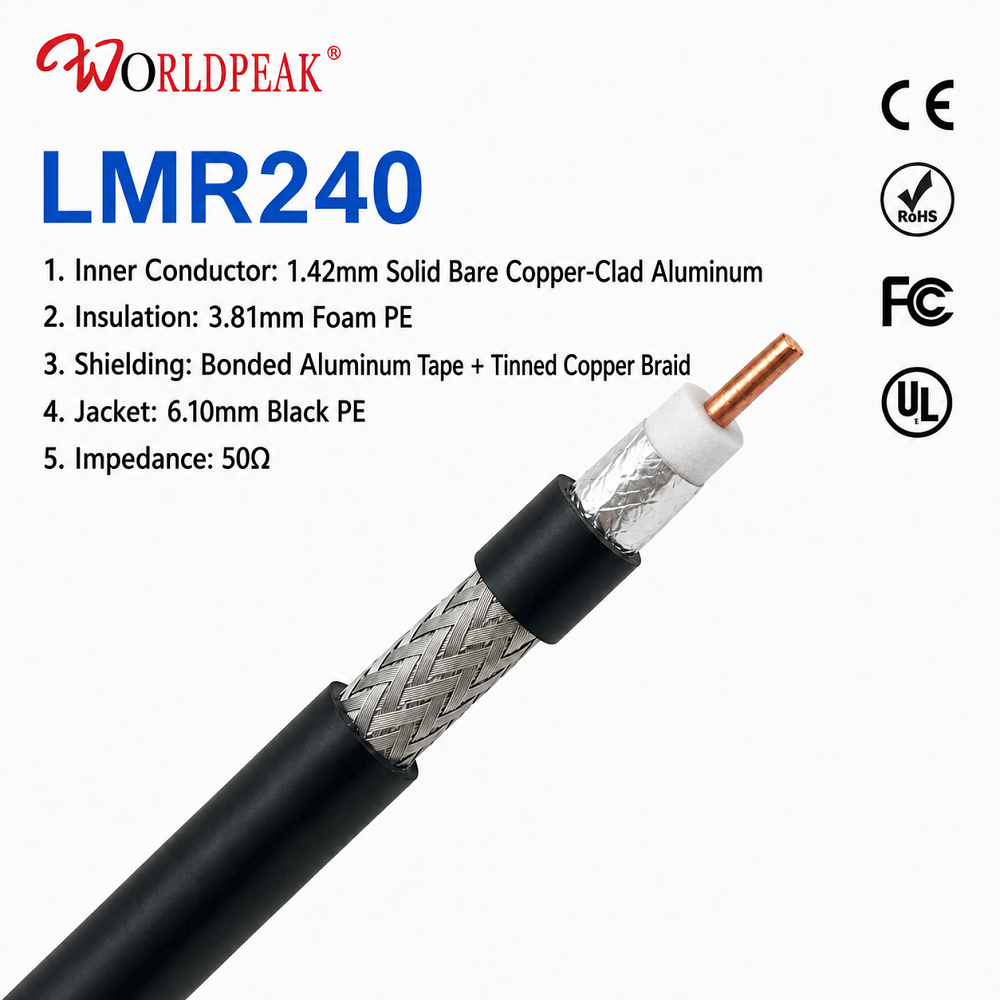
In RF system design, there is a critical threshold where jumper cables like LMR-195 or LMR-200 become too lossy for reliable signal transmission, yet heavy-duty cables like LMR-400 are overkill for the distance and budget. LMR-240 exists precisely in...
2026/10/14
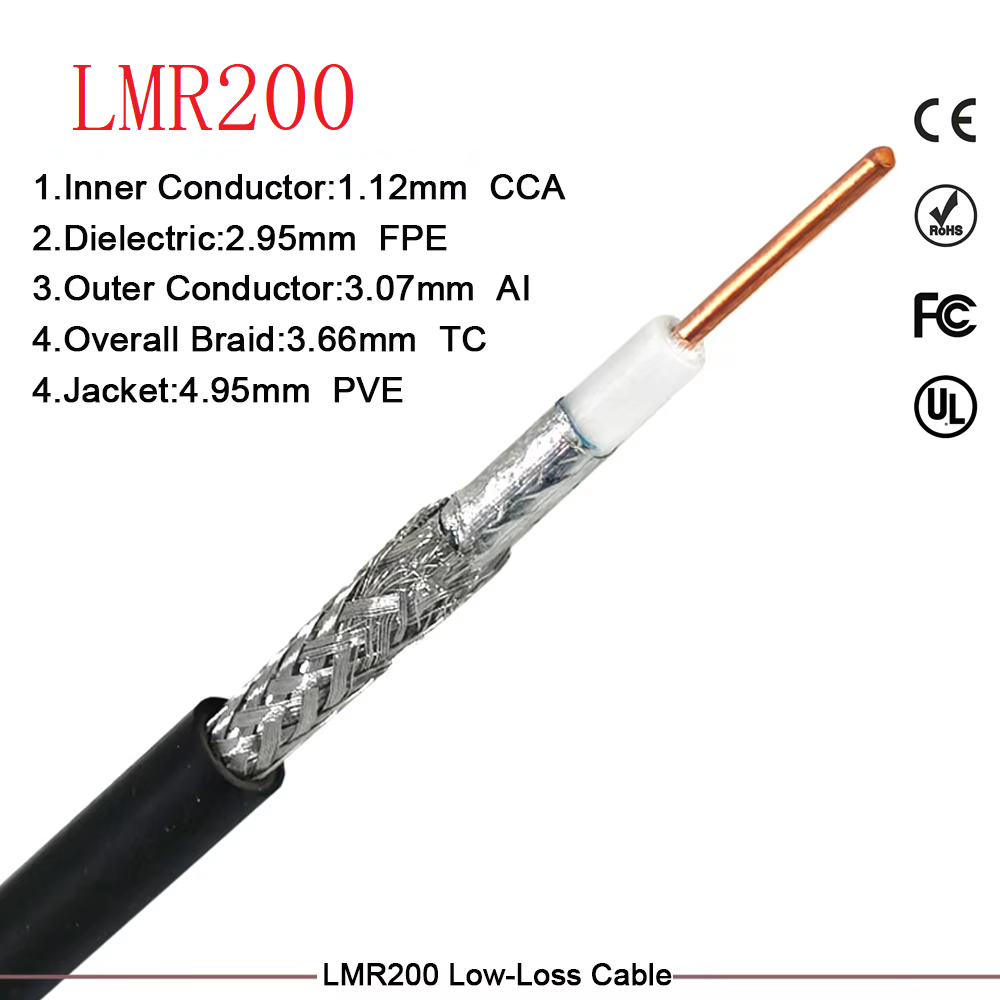
When designing RF systems, engineers often face a trade-off: choose a thin, flexible cable with higher signal loss, or a thick, low-loss cable that is difficult to route in tight spaces. LMR-200 coaxial cable was engineered to solve this exact dilemm...