EN

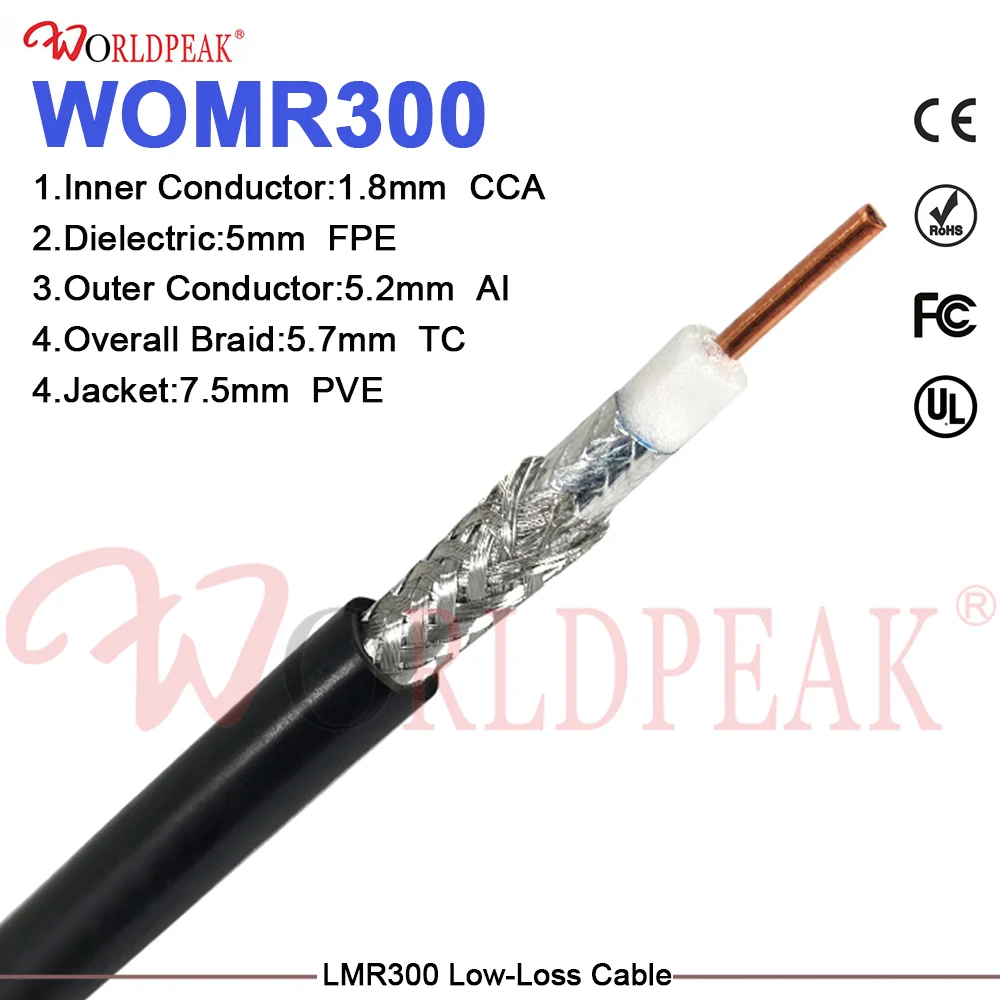
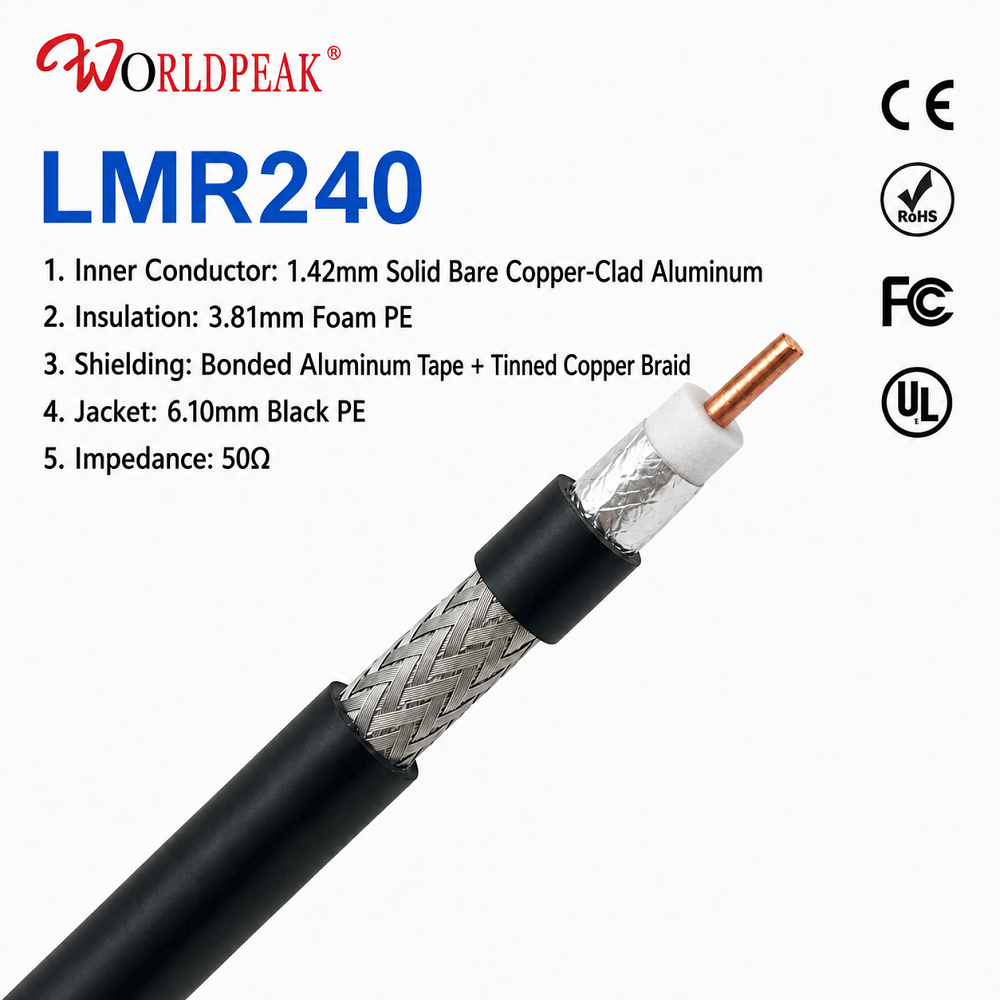
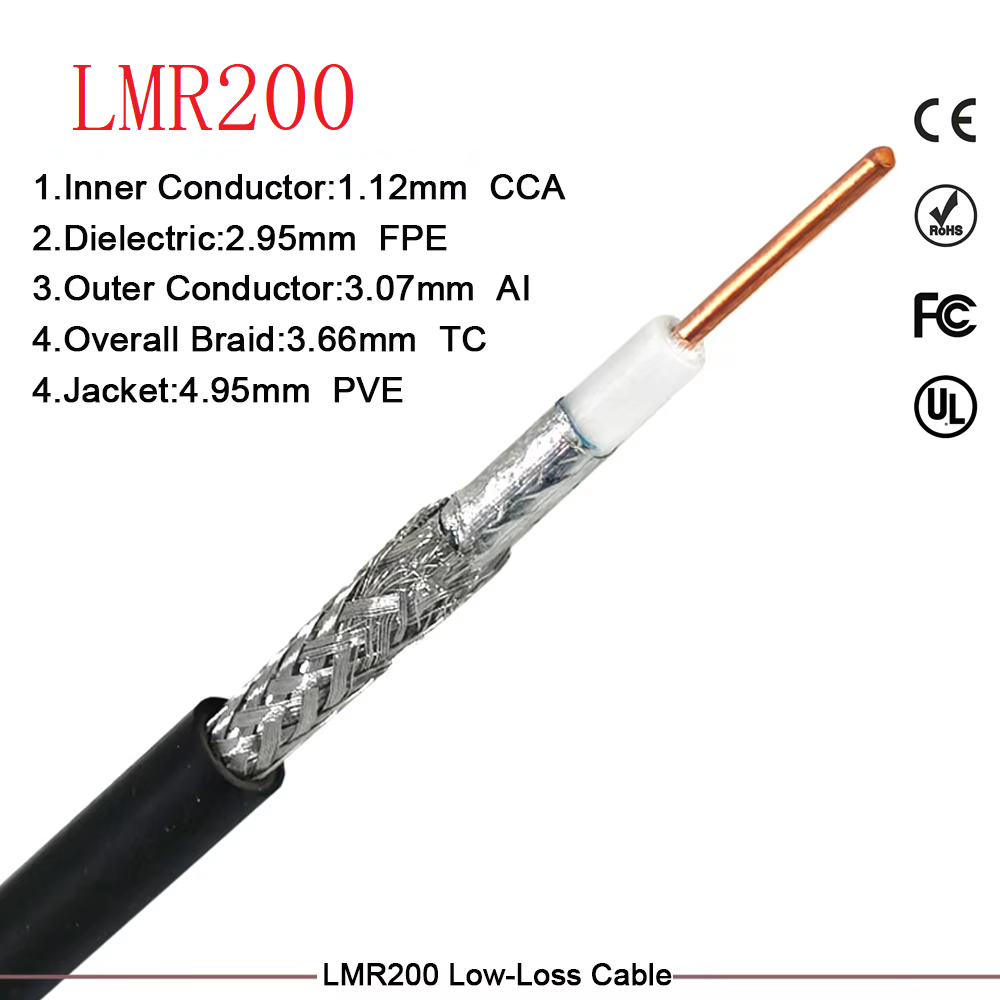
In modern radio frequency (RF) engineering and complex wireless communication deployments, maintaining absolute signal integrity over extended transmission distances represents a continuous operational challenge. As high-frequency signals travel through standard transmission lines, inherent electrical resistance, conductor imperfections, and dielectric absorption siphon away precious transmission power. To effectively minimize signal attenuation and preserve overall system sensitivity, network architects and deployment engineers consistently rely on a specialized low-loss RG cable architecture.
At Worldpeak, engineering high-efficiency transmission lines requires an uncompromised focus on advanced conductor metallurgy, optimized foaming ratios within internal dielectric layers, and dense multi-layer outer shielding coverage. This technical analysis explores the core physical mechanisms driving coaxial cable loss and outlines how deploying a precision-engineered low-loss RG cable safeguards system performance across diverse commercial and industrial wireless applications.
Understanding the Physics of Coaxial Cable Loss
Signal degradation and power loss in coaxial transmission lines are governed primarily by two distinct physical phenomena: conductor resistance (commonly known as the skin effect) and dielectric dissipation. As operating frequencies scale upward, electrical current ceases to flow uniformly through the entire cross-section of the inner conductor, concentrating instead along its outer periphery. If the conductor surface exhibits micro-roughness or material impurities, high-frequency resistance increases exponentially, converting valuable RF energy into unwanted thermal waste.
To successfully minimize signal attenuation in demanding field deployments, manufacturers must directly address these foundational loss factors through rigorous material selection and process engineering:
-
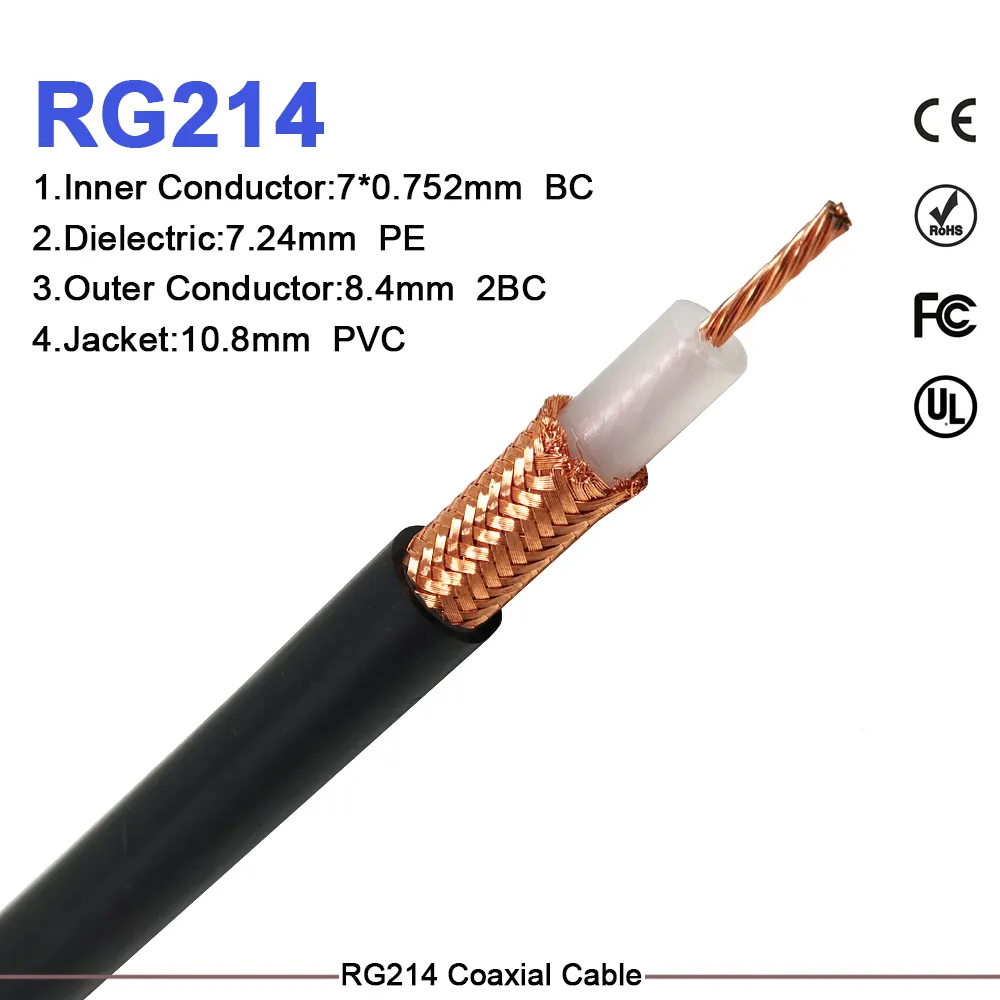
Conductor Purity and Premium Plating: Utilizing oxygen-free high-conductivity (OFHC) copper or silver-plated copper-clad steel (SPCCS) significantly reduces direct current (DC) and alternating current (AC) resistance along the signal path.
-
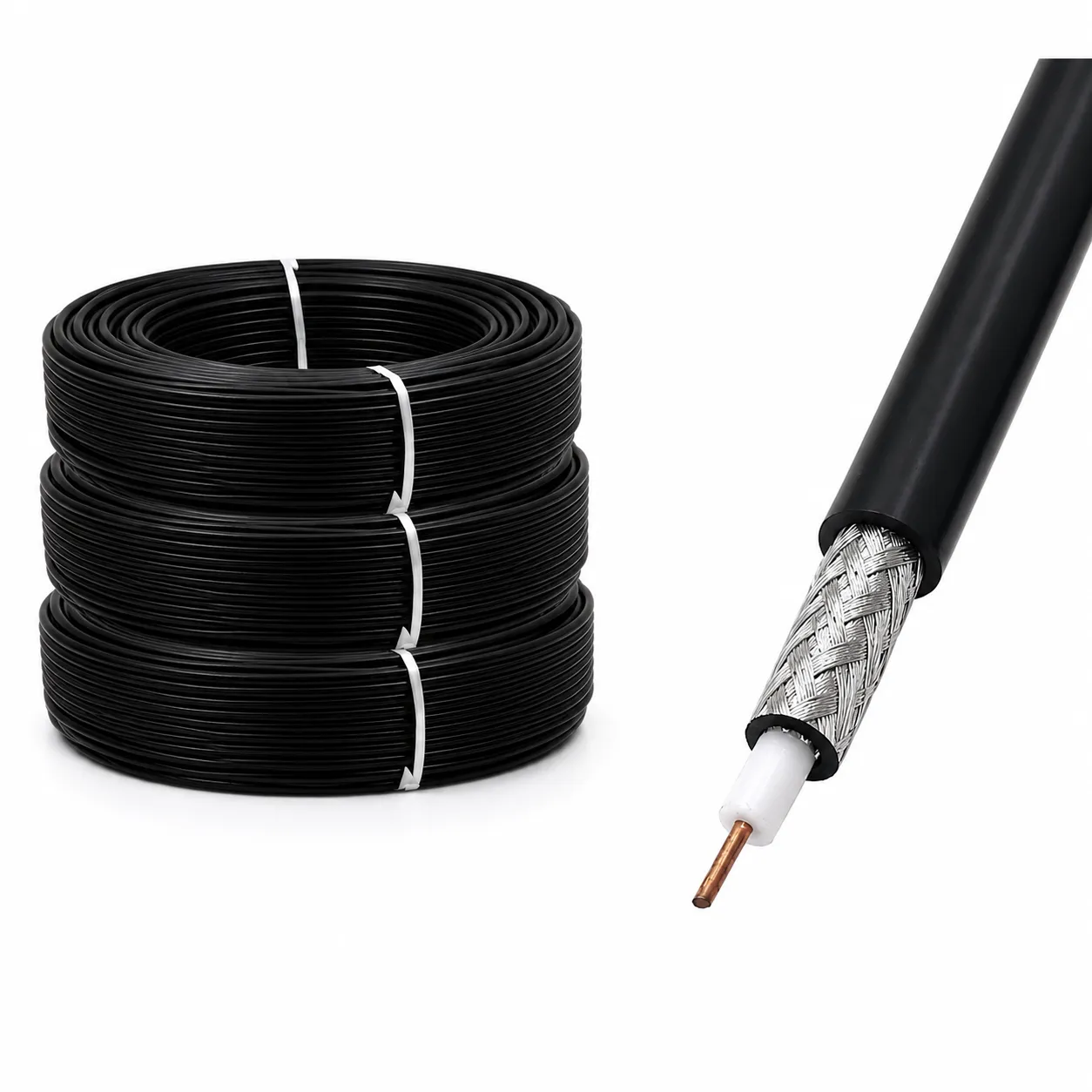
Gas-Injected Foam Polyethylene (PE) Dielectric: Traditional solid polyethylene dielectrics absorb a higher proportion of RF energy. Advanced gas-injection foaming technology creates a uniform cellular micro-structure that consists of up to 70 percent trapped nitrogen gas, drastically reducing dielectric permittivity and mitigating overall coaxial cable loss.
-
Dual-Layer Electromagnetic Shielding: Combining a tightly bonded aluminum-mylar foil with a high-coverage tinned copper braid prevents electromagnetic leakage and eliminates external noise infiltration, ensuring clean signal transmission.
Performance Comparison: Standard vs. Low-Loss RG Series
To evaluate how different transmission lines perform under operational stress, system integrators analyze attenuation curves across various operating frequencies. The comprehensive comparison table below highlights key attenuation metrics for standard RG types versus an optimized low-loss RG cable manufactured by Worldpeak:
| Cable Designation | Dielectric Structure | Attenuation @ 100 MHz (dB/100m) | Attenuation @ 1 GHz (dB/100m) | Primary Engineering Advantage and Field Use |
| Standard RG-58 | Solid Polyethylene | ~17.0 dB | ~48.0 dB | Highly flexible, economical for short, low-frequency equipment jumpers |
| Low-Loss RG-58 Type | Foam Polyethylene | ~11.5 dB | ~32.0 dB | Reduced skin-effect losses in compact instrumentation links |
| Standard RG-213 | Solid Polyethylene | ~7.5 dB | ~27.0 dB | Traditional high-power marine and industrial installations |
| Low-Loss RG-8X Type | Gas-Injected Foam PE | ~6.2 dB | ~21.5 dB | Excellent physical flexibility with significantly lower attenuation profiles |
| Large-Format Low-Loss | Micro-Cellular Foam PE | ~2.1 dB | ~7.8 dB | Maximum power efficiency for long antenna feed runs and macro towers |
Engineering Strategies to Minimize Signal Attenuation
Deploying a high-grade low-loss RG cable represents only part of a successful design; meticulous field installation practices directly influence whether a communication network will successfully minimize signal attenuation over its multi-year operational lifecycle. Even minor mechanical deformations or improper bending radii can severely spike coaxial cable loss and degrade Return Loss (VSWR) metrics.
Field technicians and installation crews must adhere strictly to established engineering protocols:
-
Eliminate Sharp Bending Stresses: Exceeding manufacturer-specified minimum bend radius guidelines compresses the delicate inner foam dielectric, altering the 50-ohm characteristic impedance and creating localized signal reflection points that degrade link quality.
-
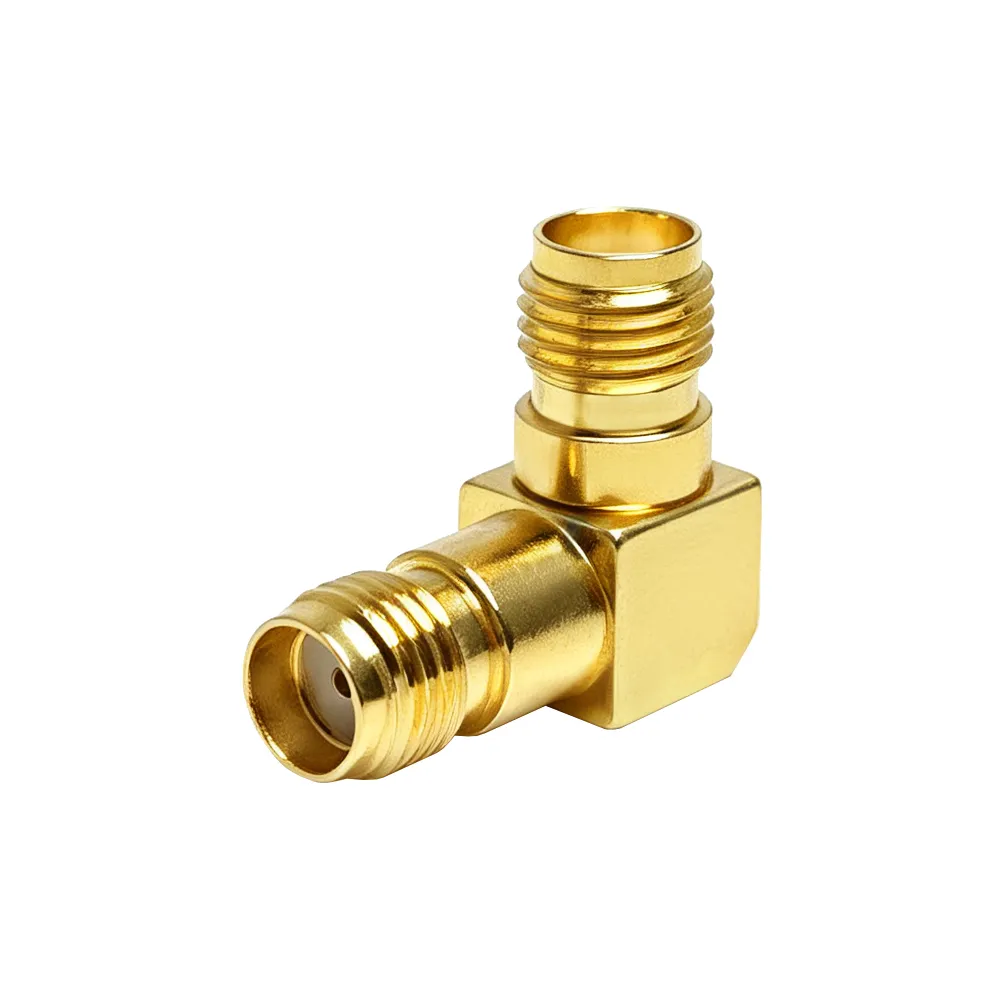
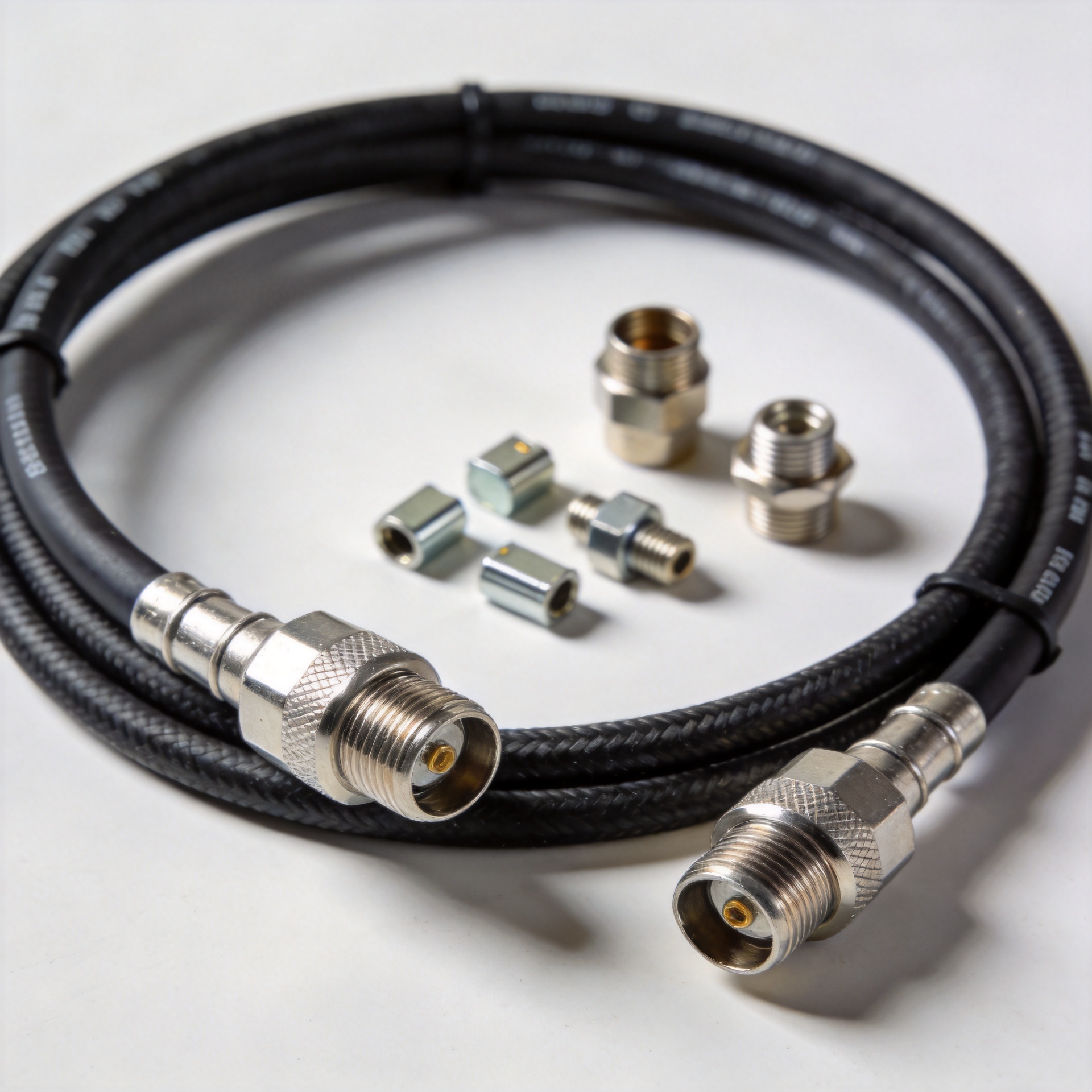
Precision Connector Termination: Poorly soldered or improperly crimped connector assemblies introduce high-resistance junctions. Utilizing precision-machined, gold-plated or silver-plated connector interfaces ensures seamless, low-resistance energy transfer across the entire transmission path.
-
Rigorous Environmental Sealing: Moisture migration into the braided outer shield accelerates copper oxidation and internal dielectric breakdown, causing attenuation to spike over time. Multi-layer cold-shrink and heavy-duty mastic tape weatherproofing is mandatory for all outdoor and tower junctions.
Quality Assurance, Standards, and Factory Compliance
Industrial reliability demands uncompromising quality control and testing protocols. Worldpeak manufactures every low-loss RG cable in strict compliance with globally recognized electrical, mechanical, and environmental standards:
-
International Regulatory Compliance: Products meet IEC 61196 performance specifications for coaxial communication cables and adhere fully to international RoHS and REACH hazardous substance directives.
-
Automated Factory Sweep Testing: Every production spool undergoes 100% sweep testing via high-precision Vector Network Analyzers (VNA) to verify that attenuation and VSWR metrics conform strictly to engineered tolerances across the designated frequency spectrum.
-
Environmental Stress Validation: Quality control procedures incorporate thermal shock cycling, tensile strength evaluations, and high-pressure immersion tests to guarantee multi-decade durability in harsh outdoor and industrial field environments.
Conclusion and System Integration
Achieving a high-reliability RF transmission link requires a strategic combination of advanced material science, precise manufacturing tolerances, and disciplined field installation. By integrating a high-performance low-loss RG cable into your telecommunications infrastructure, engineers can effectively minimize signal attenuation, eliminate excessive coaxial cable loss, and ensure optimal signal clarity across complex communication networks.
To explore comprehensive technical specifications, custom cable assembly options, and specialized interconnect solutions for your next project, visit our