EN

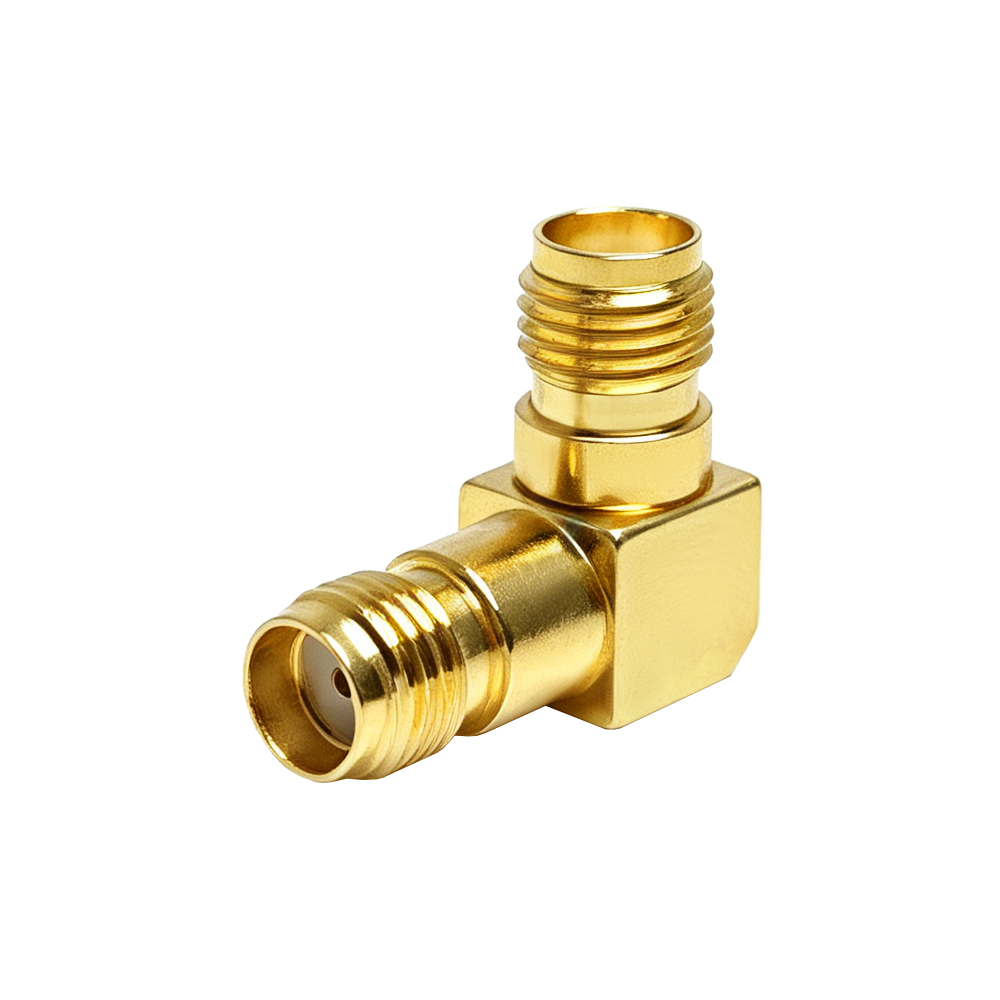
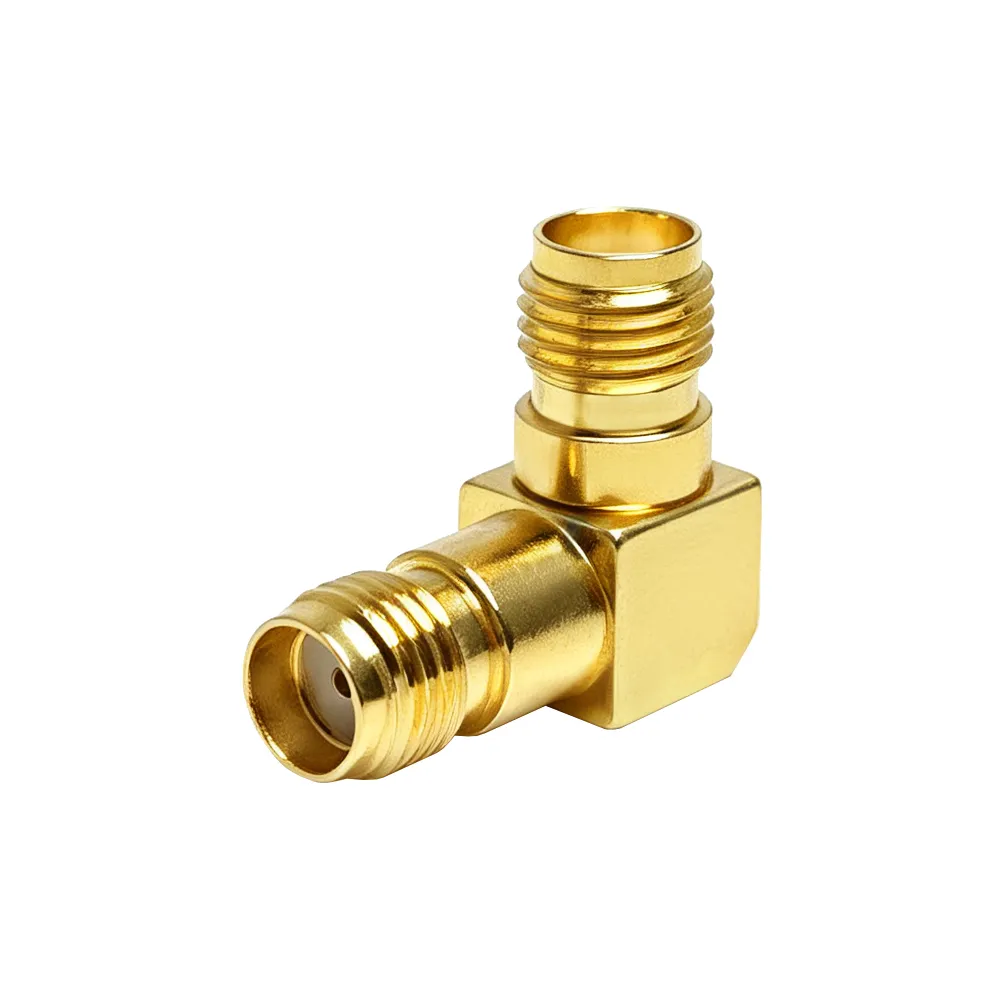
When prototyping dense printed circuit boards, integrating global positioning system (GPS) modules, or connecting compact wireless IoT hardware to external laboratory test equipment, engineers frequently encounter a fundamental mechanical and electrical mismatch. Micro-miniature surface-mount components typically rely on ultra-small MMCX interfaces, whereas standard laboratory test leads, antennas, and spectrum analyzers utilize robust threaded SMA interfaces. Bridging this dimensional divide requires a precision-engineered MMCX to SMA adapter. Choosing the correct MMCX to SMA adapter is crucial because improper material selection or poor mechanical tolerance can introduce significant insertion loss, impedance discontinuities, and premature connector wear. Worldpeak RF Connectors manufactures high-reliability MMCX to SMA adapter hardware designed to maintain strict 50-ohm impedance characteristics and deliver low-loss signal transmission across demanding microwave frequencies.
Bridging Micro-Miniature and Standard RF Interfaces
The primary engineering challenge in micro-to-standard RF interfacing lies in managing physical scale transitions without degrading high-frequency signal integrity. An MMCX to SMA adapter must transition from a snap-on spring-finger inner contact with a diameter of mere millimeters to a robust threaded outer barrel with a 1/4-36 UNS thread standard.
When deploying an MMCX to SMA adapter in high-density electronic enclosures, design teams must evaluate several critical mechanical and electrical factors:
-
Impedance Continuity: Maintaining an unyielding 50-ohm characteristic impedance across the abrupt dimensional step-down to prevent voltage standing wave ratio (VSWR) spikes.
-
Mating Durability: MMCX snap-on interfaces are rated for hundreds of mating cycles, whereas SMA ports require careful torque management to protect internal center pins. A high-grade MMCX to SMA adapter utilizes beryllium copper spring contacts to ensure reliable electrical engagement over extended operational lifespans.
-
Housing Material and Plating: Premium brass or stainless steel bodies finished with gold or tri-alloy plating prevent surface oxidation and minimize skin-effect resistance at frequencies up to 6 GHz.
Parameter Comparison: Inter-Series RF Adapter Options
To provide clear procurement guidance when selecting interconnect hardware for test benches or production line fixtures, the matrix below compares key mechanical and electrical attributes of an MMCX to SMA adapter against other common inter-series RF adapters.
| Adapter Configuration | Operating Frequency Range | Primary Mating Mechanism | Typical Insertion Loss at 3 GHz | Recommended Application Scope |
| MMCX to SMA Adapter | DC to 6.0 GHz | Snap-on (MMCX) / Threaded (SMA) | < 0.25 dB | PCB module testing, GPS receivers, IoT prototyping |
| U.FL to SMA Adapter | DC to 3.0 GHz | Ultra-low profile snap (U.FL) / Threaded | < 0.40 dB | Wi-Fi cards, drone telemetry, internal patch links |
| BNC to SMA Adapter | DC to 4.0 GHz | Bayonet lock (BNC) / Threaded (SMA) | < 0.20 dB | Legacy test equipment, oscilloscope patching |
| N-Type to SMA Adapter | DC to 11.0 GHz | Heavy threaded coupling (N) / Threaded | < 0.15 dB | Outdoor base stations, high-power antenna feeds |
Real-World Deployment Scenario: UAV Telemetry Module Testing
To understand the practical importance of specifying a reliable MMCX to SMA adapter, consider a recent deployment by Worldpeak for an unmanned aerial vehicle (UAV) manufacturing facility testing high-frequency flight telemetry and GNSS navigation boards.
The engineering team needed to connect surface-mounted MMCX test ports on newly assembled flight controller PCBs directly to laboratory-grade armored SMA test cables connected to a vector network analyser (VNA). Initial tests using generic, unverified adapters resulted in intermittent connection dropouts, high return loss readings, and erratic signal attenuation whenever the test leads were slightly moved.
By replacing the generic components with Worldpeak precision-machined gold-plated MMCX to SMA adapter units, the testing facility eliminated mechanical play and stabilized return loss performance to better than 26 dB across the entire operational band. This upgrade streamlined their automated production testing workflow, eliminated false-positive board rejections, and ensured consistent quality control across thousands of manufactured drone assemblies.
Manufacturing Quality Control and Inspection Protocols
Ensuring high reliability in compact RF interconnects requires strict adherence to international quality management frameworks. At Worldpeak RF Connectors, every production batch of an MMCX to SMA adapter is manufactured under ISO 9001 certified guidelines and undergoes rigorous multi-stage verification:
-
Raw Material Metallurgical Testing: High-grade brass and beryllium copper rod stock undergo spectral analysis to verify optimal electrical conductivity and mechanical elasticity before machining.
-
Precision CNC Turning: Multi-axis automated lathes machine outer bodies and center pins to tight tolerances within plus-or-minus 0.005 mm, ensuring flawless concentricity.
-
Electrolytic Plating Verification: Components receive corrosion-resistant gold plating over a nickel underplate to maintain low contact resistance and prevent galvanic corrosion.
-
100% Automated VNA Sweep Testing: Every finished MMCX to SMA adapter is tested on automated vector network analyzers to verify that insertion loss, return loss, and characteristic impedance strictly meet factory performance thresholds.
Procurement Checklist for Engineering Teams
When sourcing an MMCX to SMA adapter for commercial or industrial deployments, purchasing agents and design engineers should verify the following specifications:
-
Confirm whether the SMA end requires a male pin or female receptacle to match your target cable assembly.
-
Verify whether the MMCX end requires a straight or right-angle body style to accommodate physical enclosure clearance limits.
-
Ensure the supplier provides complete technical datasheets and VNA test reports confirming performance up to your required frequency ceiling.
Conclusion and Next Steps
In summary, selecting the correct MMCX to SMA adapter is a vital step in bridging micro-miniature circuit boards with standard laboratory and industrial test equipment. By prioritizing impedance stability, precision machining, and robust surface plating, engineering teams can eliminate signal degradation and ensure long-term reliability.
To explore comprehensive industry frameworks, multi-frequency design principles, and our complete inventory of interconnect components, review our primary pillar guide on