EN

RG-8 Coax: Full-Power Amateur and CB Radio
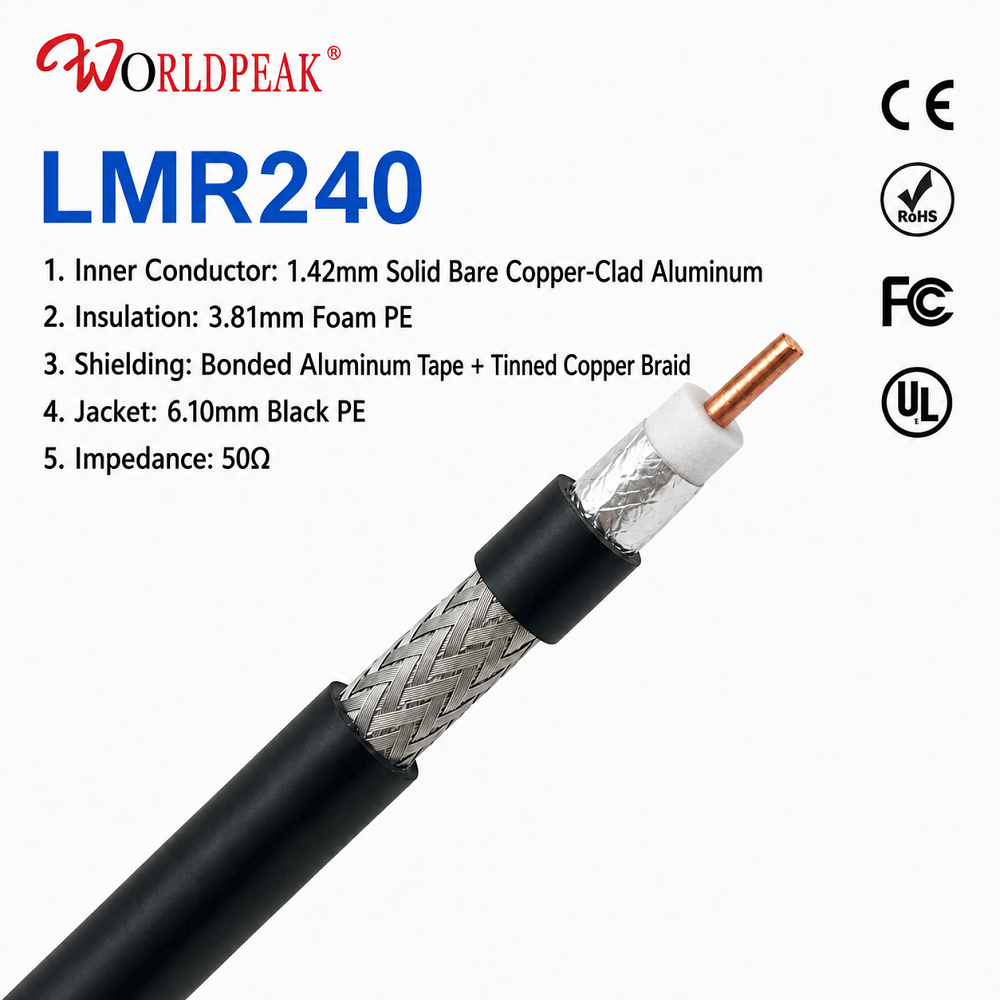
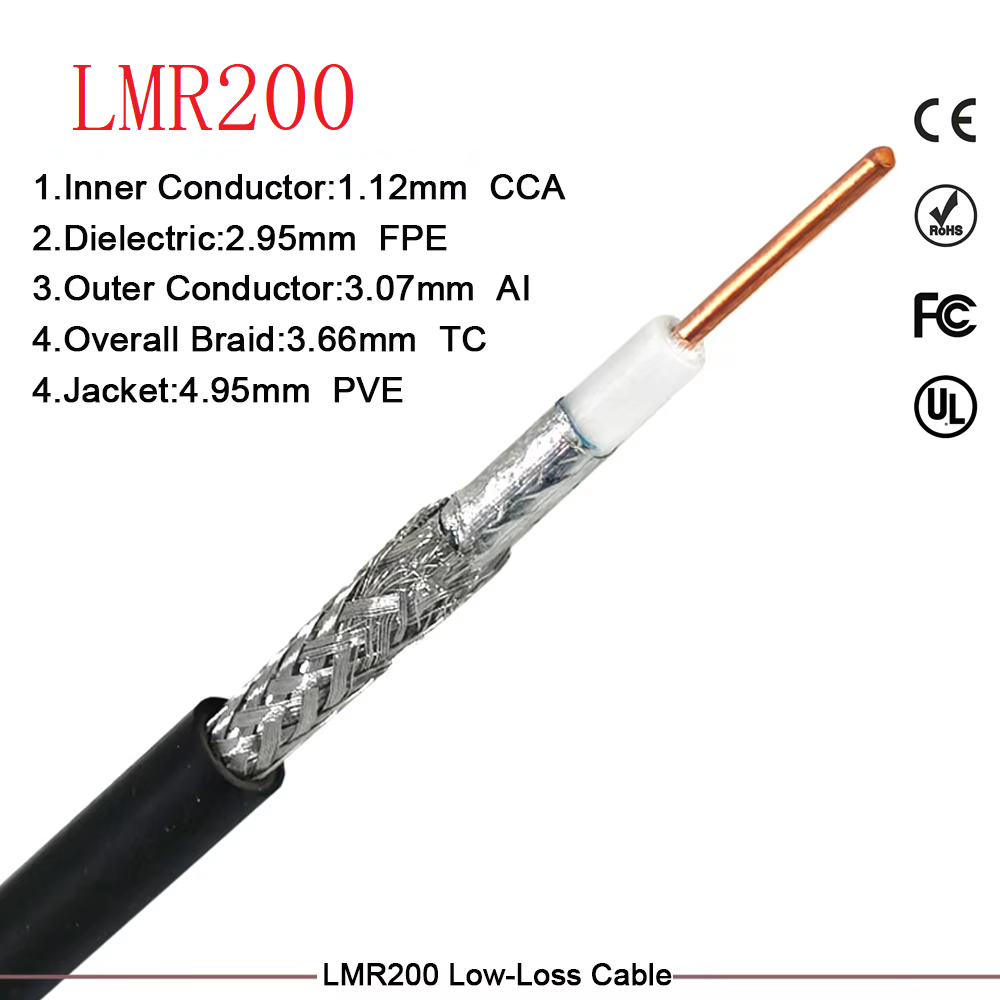
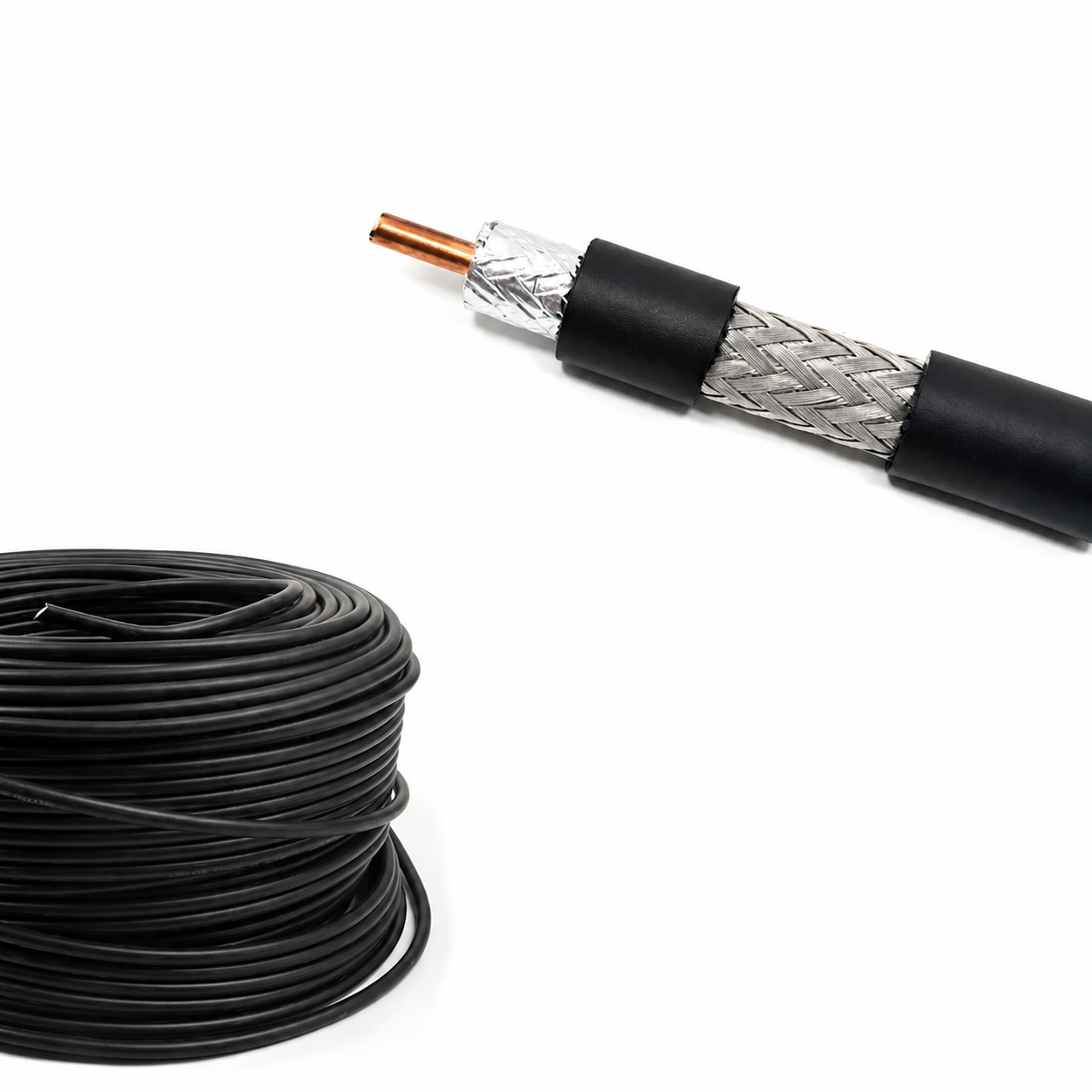
For a fixed-station antenna run, an rg8 rg cable is often chosen for a simple reason: it gives a 50-ohm radio system a substantial, full-size feed line rather than a thin patch lead. That makes it a sensible starting point for amateur and CB installations where cable loss, connector strain, and outdoor routing matter. The designation alone is not a complete specification, however. Before ordering an rg8 rg cable, match impedance, length, jacket, and termination to the actual radio path.
As an RF cable assembly supplier, we see the same planning error repeatedly: selecting a familiar RG name first and checking the antenna, radio, and connector interface later. A better sequence is to define the system impedance, frequency range, route, and installation environment, then select the cable family. This guide places RG-8 in that workflow and shows where nearby RG options fit.
Start with the 50-ohm system, not the cable nickname
An rg8 rg cable is normally discussed for 50-ohm radio-frequency paths, including many amateur, CB, test, and antenna-feed applications. A 50-ohm feed line does not tune an antenna by itself; it preserves the intended system match when the antenna, radio, and intervening hardware are designed around the same nominal impedance. For a full-power station, confirm the radio output, antenna feed point or matching network, arrestor, switch, and connectors before committing to an rg8 rg cable length.
By contrast, 75-ohm coax such as RG6 is common in television, video, and broadband distribution. It has a legitimate place in those systems, but it should not be substituted casually into a 50-ohm transmitter path. A technically capable installer evaluates the complete load, operating band, standing-wave-ratio tolerance, and power level rather than relying on a cable’s outside diameter.
Where common RG cable families fit
| Family | Typical nominal impedance | Practical selection role |
|---|---|---|
| RG6 | 75 ohm | Video, TV, and broadband distribution where the system is designed for 75 ohms. |
| RG58 | 50 ohm | Flexible short runs, test leads, and lower-demand radio interconnects. |
| RG174 | 50 ohm | Compact, flexible internal routing where space is tight and runs are kept short. |
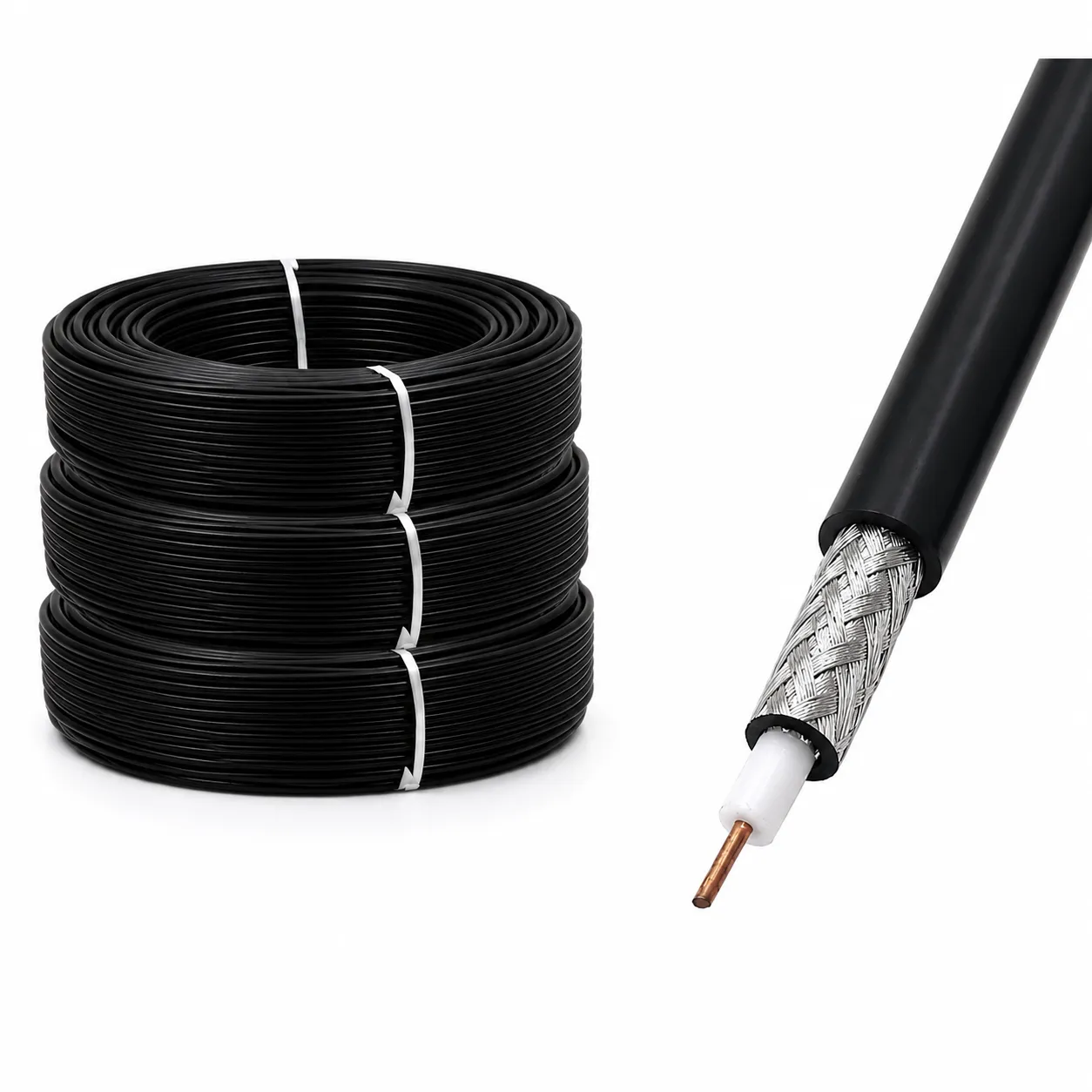
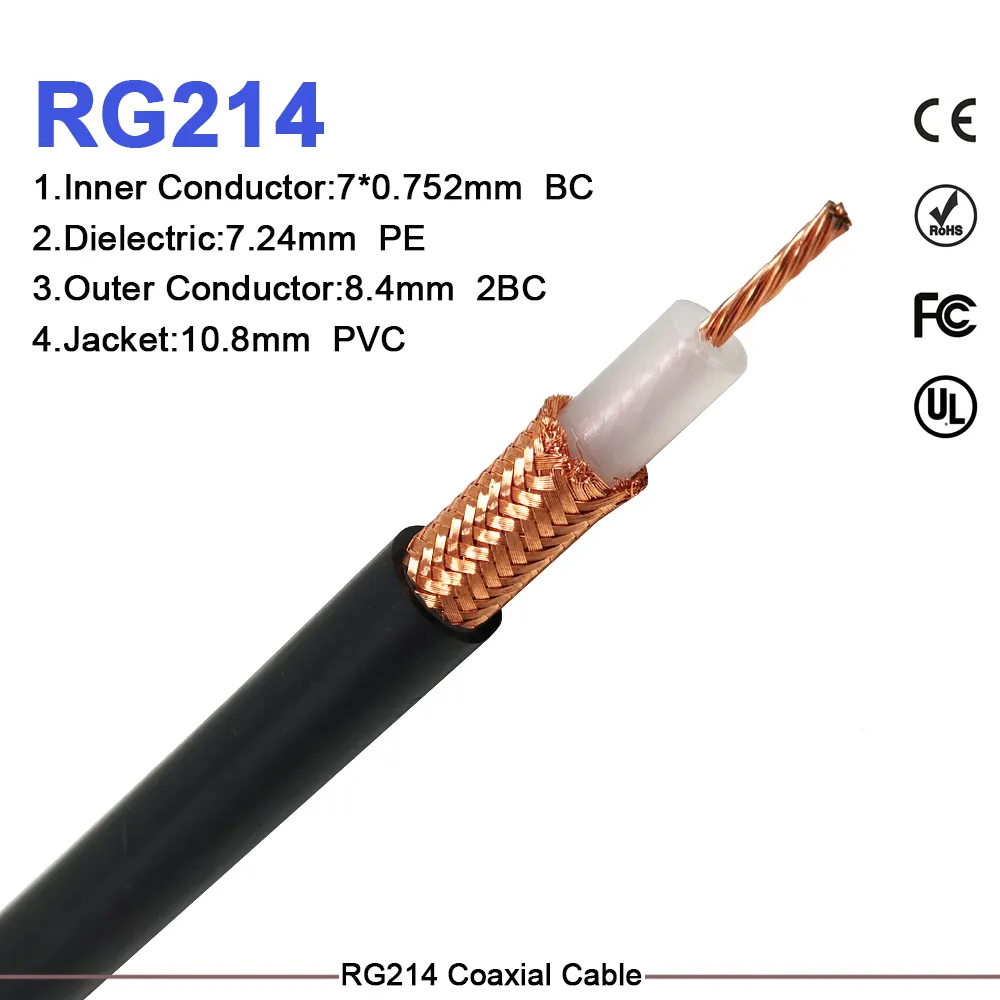
| RG213 / RG-8 class | 50 ohm | Full-size antenna feeders and station runs that benefit from a more substantial cable construction. |
| RG316 | Usually 50 ohm in common RF versions | Small PTFE-based internal assemblies and compact equipment routing; verify the exact construction. |
The table is a selection map, not a substitute for a manufacturer data sheet. RG designations can cover variations in conductor, dielectric, shield, jacket, and performance. For example, rg8 coax may be discussed alongside RG-8X, RG213, or a low-loss modern alternative, but their bend behavior and attenuation are not interchangeable. Likewise, rg 400 and rg 142 are commonly considered when a tougher, higher-temperature, or equipment-focused assembly is needed; confirm the exact part construction before treating either as a drop-in replacement.
Why RG-8 remains useful for CB and amateur radio
When an antenna is some distance from the operating position, a larger 50-ohm feeder can be easier to route securely and can be a better fit than miniature coax for a permanent outdoor run. An rg8 rg cable is especially practical when the route includes a mast entry, a wall pass-through, a grounding point, and a radio-room connection. The tradeoff is physical: larger cable needs a realistic bend radius, strain relief, and connectors sized for the actual cable diameter.
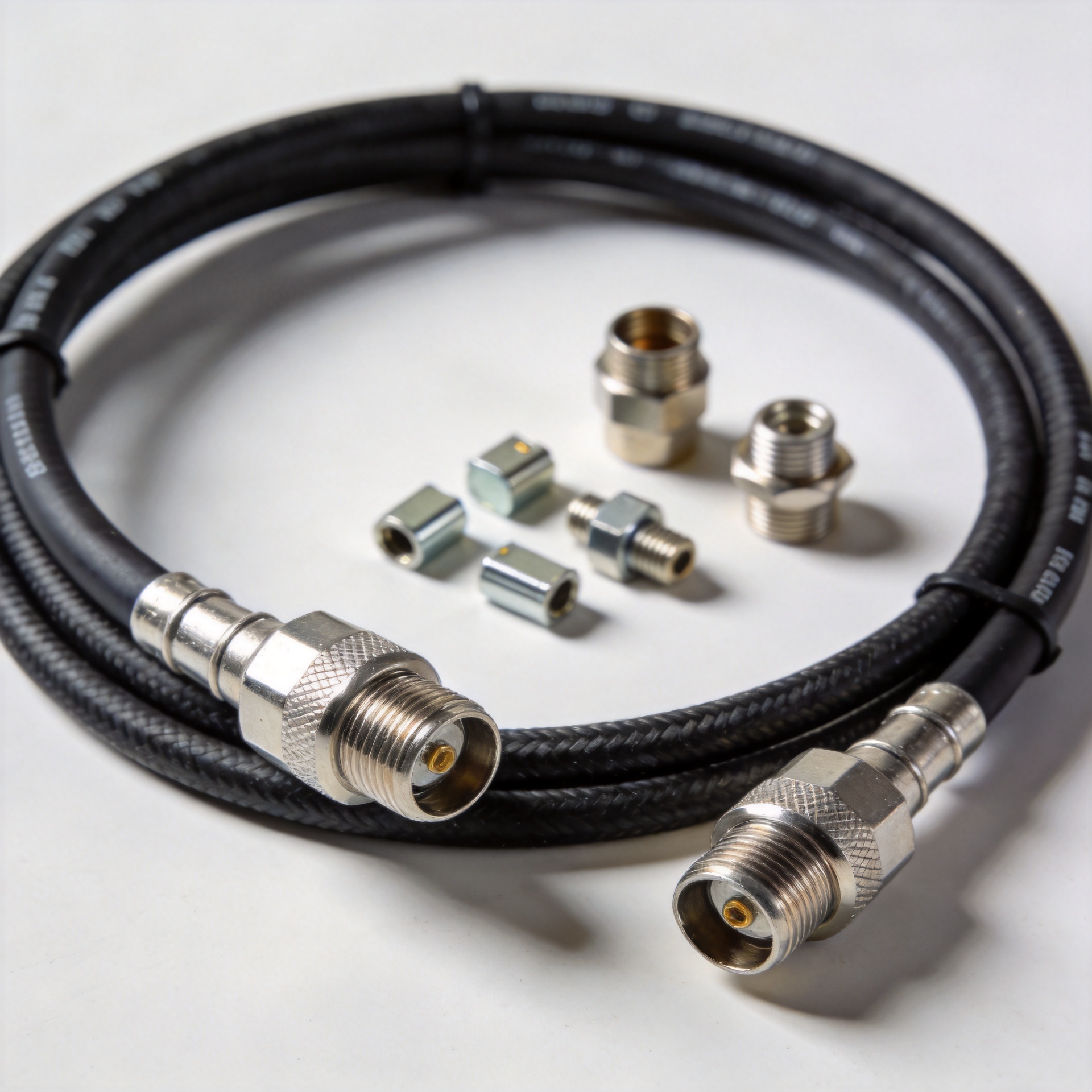
For shorter jumpers, a lighter assembly may be more convenient. For a larger station feeder, the Worldpeak RG8 50-Ohm Coaxial Cable: Engineering Data & Selection Guide provides a relevant internal product reference. If you need a ready-ended flexible alternative for selected runs, review the Worldpeak RG8X Pre-Terminated Cable Assembly. Use the published product data to verify connector compatibility and performance for the intended frequency and length.
Specify an assembly instead of buying cable by the roll
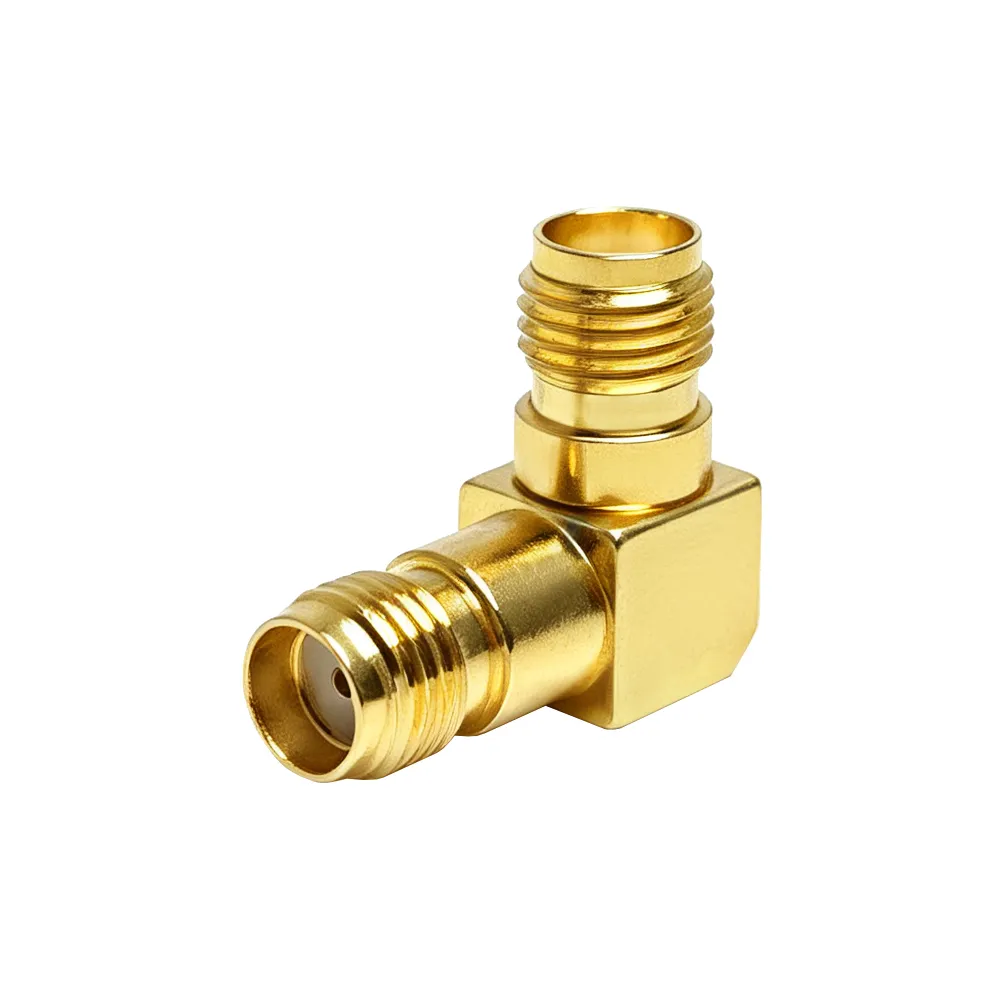
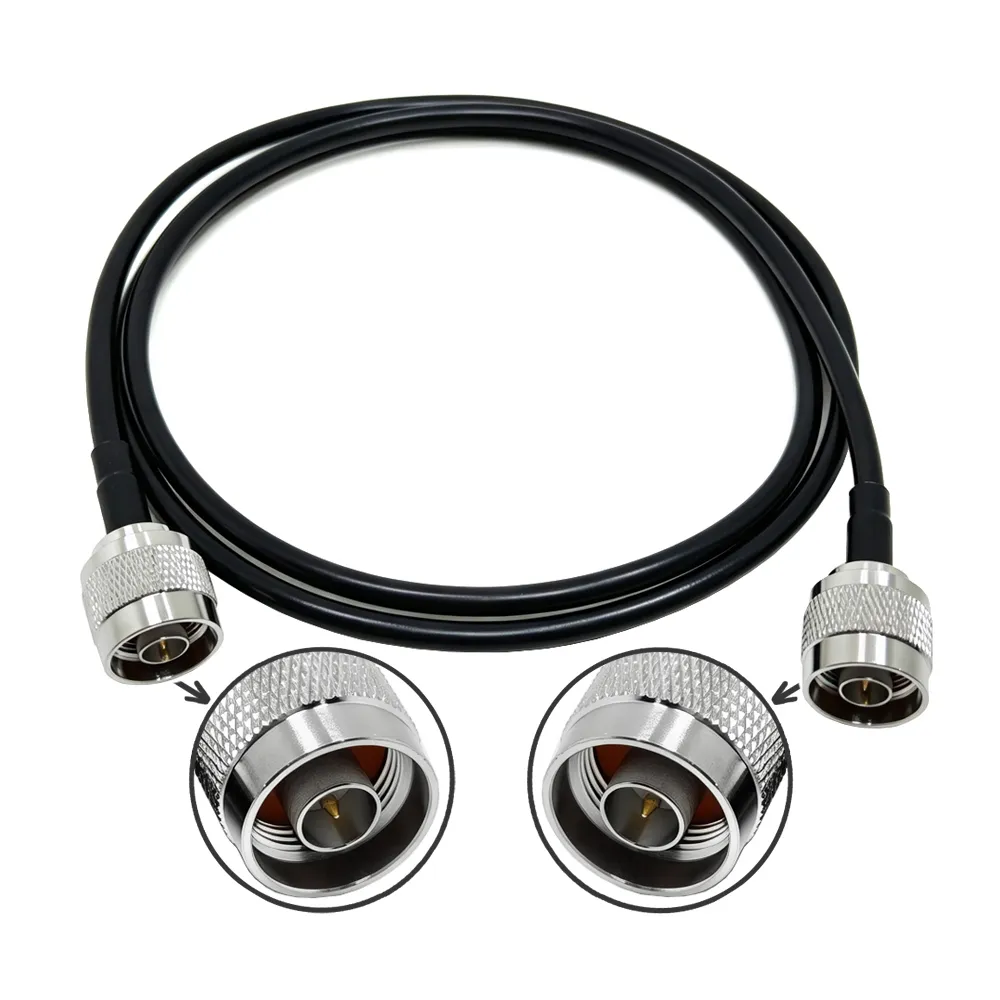
A useful rf-coax request includes cable family, finished length, end A connector, end B connector, gender, orientation, and intended environment. Custom length avoids a large service loop that adds loss and leaves more cable to manage. The connector choice is just as important: PL-259-style interfaces are familiar in many radio installations, while N-type, BNC, TNC, SMA, or other interfaces may suit the equipment at either end. State whether the rg8 rg cable will connect to a bulkhead, a radio chassis, an antenna, or a surge-protection device.
Jacket options deserve the same attention. For an outdoor rg8 coax route, ask about UV exposure, moisture, abrasion, temperature range, and whether the cable will enter conduit. For vehicle, lab, or equipment interiors, flexibility, diameter, and routing clearance can matter more. When specifying rg 400 or rg 142, include the temperature and handling requirement rather than assuming that the model name alone defines every assembly detail.
Outdoor installation checklist
- Measure the route from antenna connection to equipment, including vertical drops and a modest service loop.
- Keep the rg8 rg cable away from sharp metal edges and support it at intervals that prevent sagging.
- Respect the cable maker’s minimum bend radius; a tight kink can damage the dielectric or alter the shield geometry.
- Use weather-rated entry hardware and seal outdoor connector interfaces with materials suitable for RF coax service.
- Plan grounding and surge protection as a system according to applicable local electrical practices and station design.
- Label both ends before the final pull, particularly where several similar cables share a conduit.
Indoor routing and final checks
Indoors, keep the rg8 rg cable clear of door pinch points, hot equipment exhaust, and high-current power wiring where practical. Avoid coiling excess cable tightly behind the radio; order the nearest sensible finished length instead. Before applying full power, inspect the connector coupling, check continuity and isolation with suitable test equipment, and verify the antenna system with the appropriate measurement method for the station.
The right choice is rarely “the thickest cable available.” It is the assembly that maintains the intended impedance, reaches the antenna cleanly, accepts the correct connector at both ends, and suits the environment. For a 50-ohm CB or amateur-radio feed, an rg8 rg cable can be an effective full-size option when those details are specified deliberately.
Frequently Asked Questions
Is RG-8 a 50-ohm cable?
RG-8 is commonly used as a 50-ohm RF coax family for radio applications, but confirm the data sheet for the exact cable construction you intend to buy.
Can I use RG6 for a CB antenna?
RG6 is generally a 75-ohm cable used in video and broadband systems. A CB installation is normally planned around 50-ohm components, so assess the complete RF system rather than making a casual substitution.
When should I consider RG-400 or RG-142?
Consider rg 400 or rg 142 when the exact assembly needs a construction suited to its temperature, flexibility, shielding, or equipment-routing requirements. Verify the manufacturer’s specifications and connectors for the chosen part.