EN

Selecting the appropriate RG coaxial cable is critical for engineers, procurement specialists, and system integrators designing high-performance communication networks. An advanced RF coaxial cable functions as the vital transmission line connecting antennas, transmitters, receivers, and test instrumentation. When deploying high-frequency systems, understanding the foundational architecture of an RF coaxial cable ensures minimal signal attenuation, optimal power handling, and robust electromagnetic shielding. At Worldpeak, engineering rigorous interconnect solutions requires strict adherence to international manufacturing standards, precise impedance control, and transparent quality verification. This technical guide explores the core parameters, structural variations, and procurement strategies associated with high-grade coaxial solutions.
Understanding RF Coaxial Cable Architecture and Core Specifications
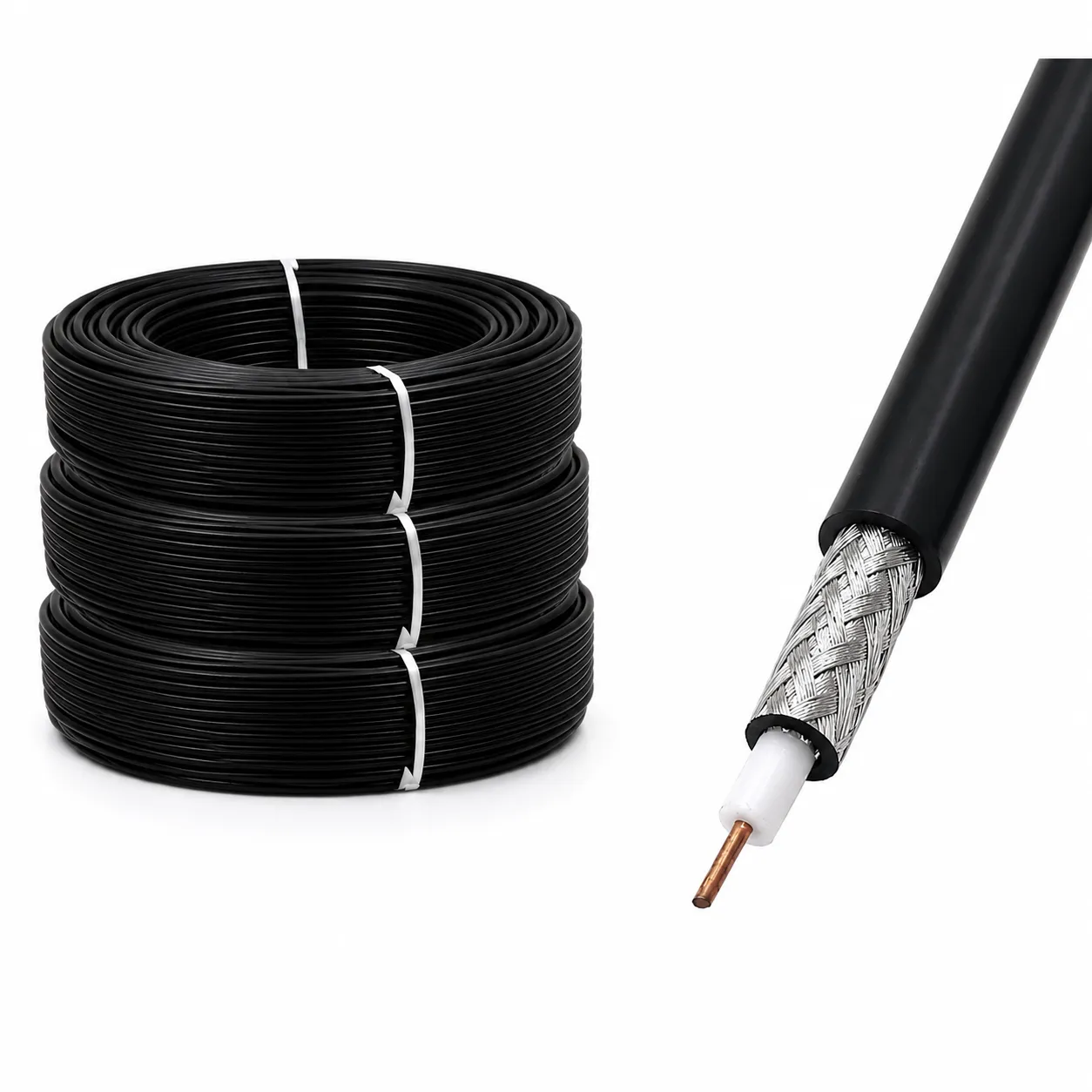
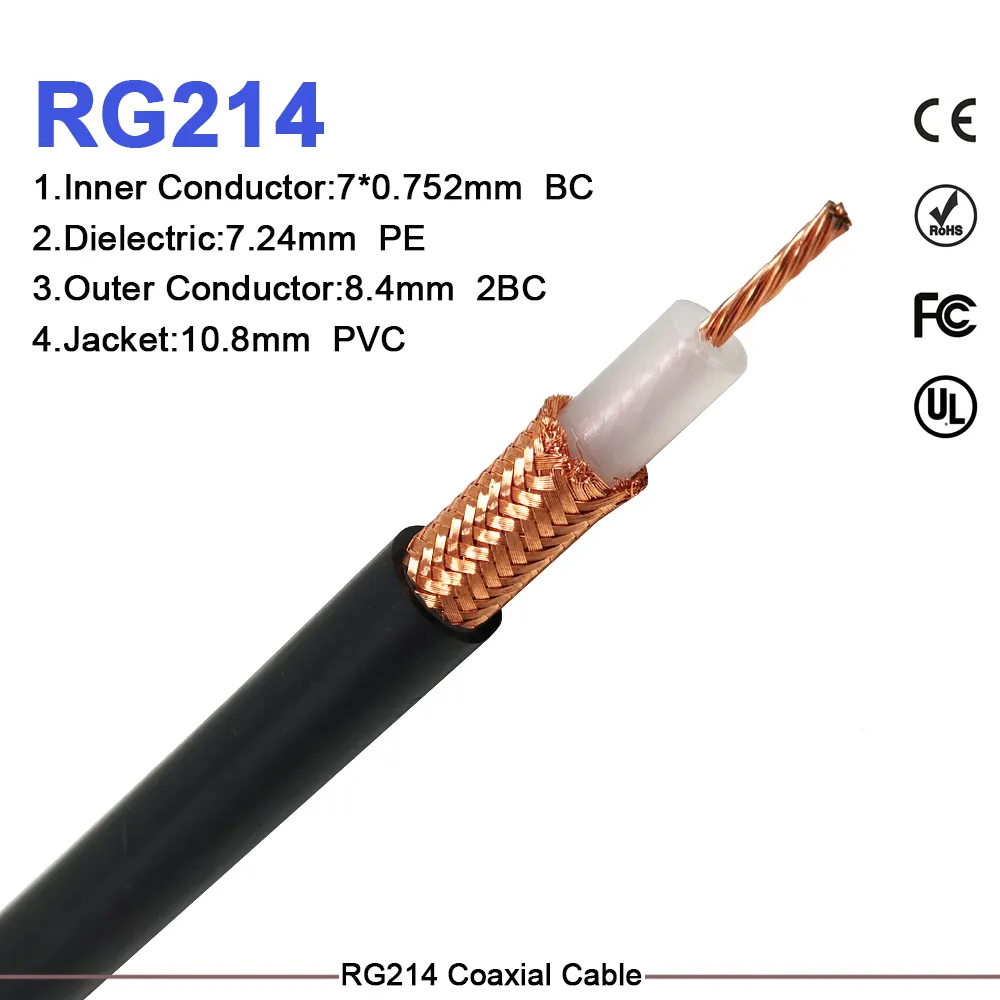
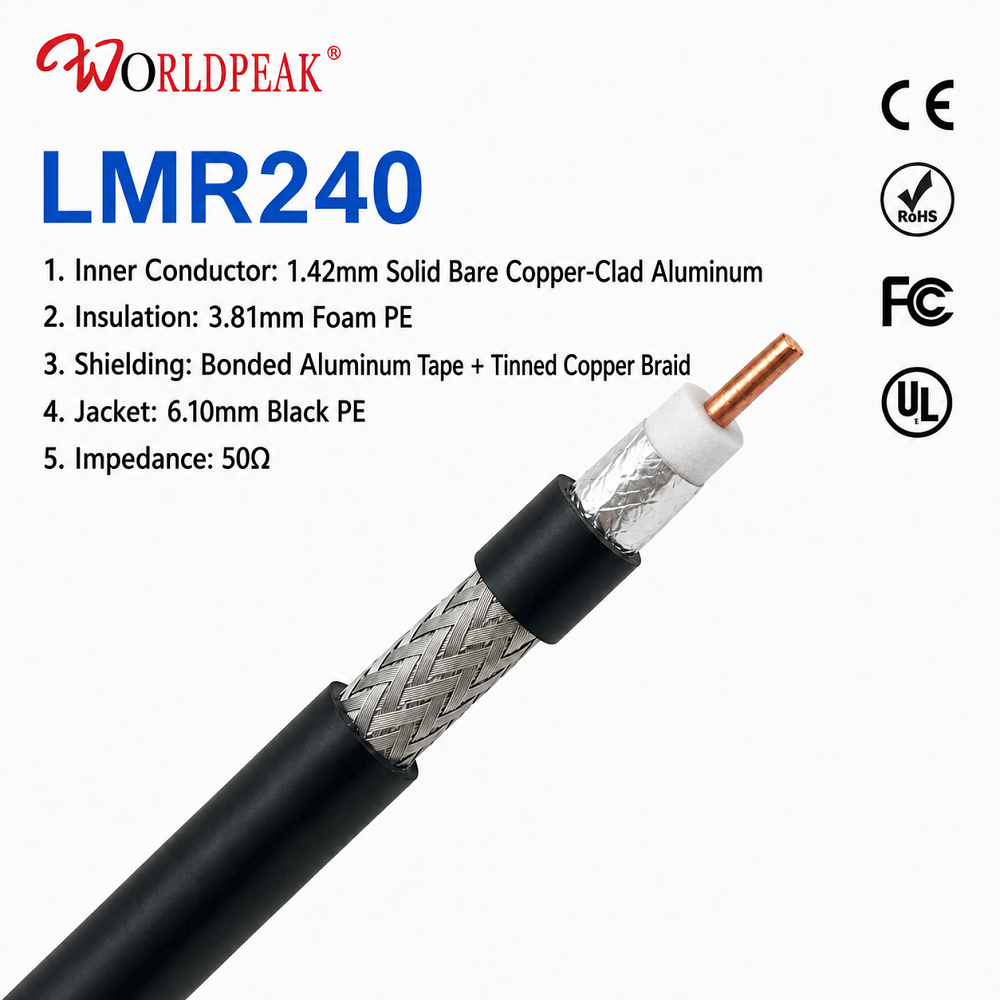
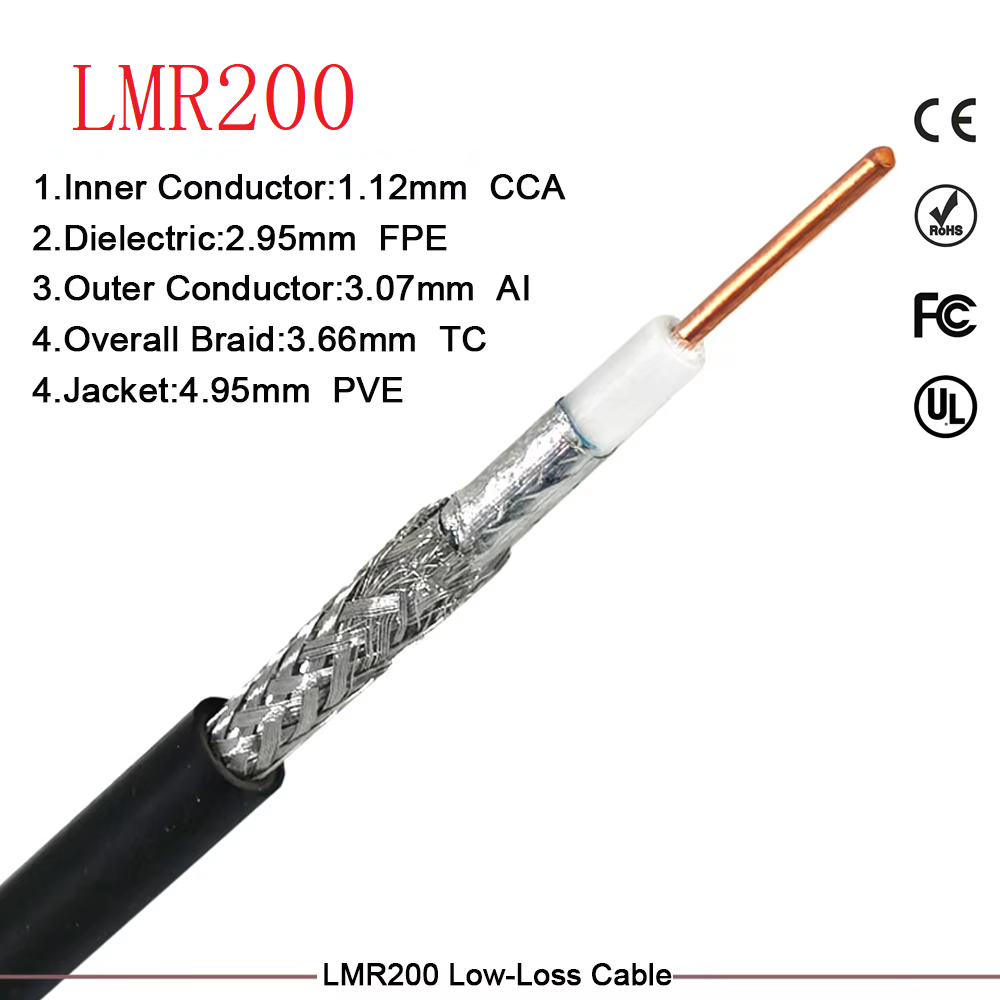
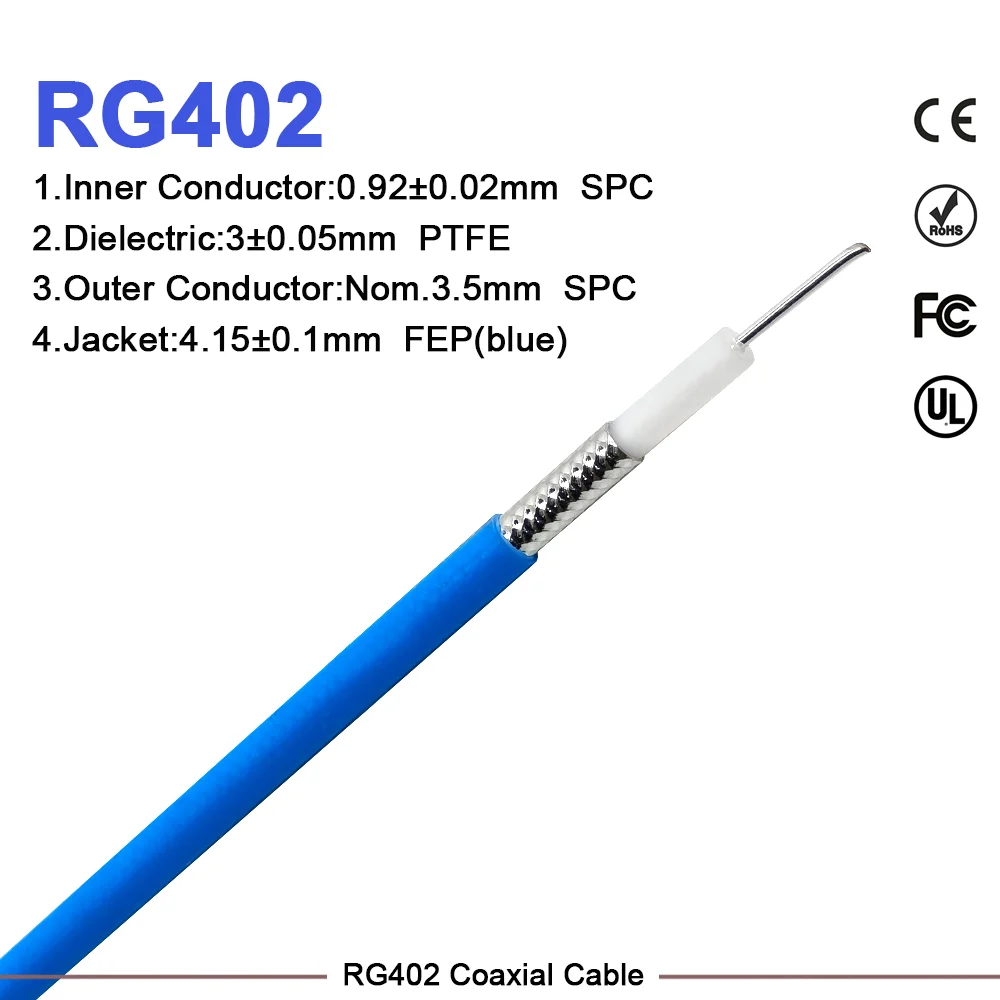
Every high-reliability RF coaxial cable is engineered with a concentric multi-layer design comprising a central conductor, a dielectric insulator, a metallic shielding braid or foil, and an outer protective jacket. The inner conductor carries the high-frequency radio frequency signal, while the dielectric core maintains a precise physical spacing between the inner conductor and the outer shield. This precise spacing is directly responsible for maintaining characteristic impedance, most commonly standardized at fifty ohms for telecommunications and data transmission, or seventy-five ohms for video distribution systems.
When evaluating any professional RF coaxial cable, technical teams must analyze several crucial electrical and mechanical performance metrics. Signal attenuation, measured in decibels per unit length, increases proportionally with operating frequency and cable length. Choosing an optimized RG coaxial cable with low-loss dielectric materials, such as expanded polytetrafluoroethylene or high-density polyethylene, significantly reduces insertion loss in demanding microwave and wireless communication deployments. Furthermore, velocity of propagation, capacitance per unit length, and operating voltage ratings dictate how efficiently signals travel through the transmission line without phase distortion or thermal degradation.
Key Variations and Performance Across Coaxial Cable Types
The nomenclature governing standard coaxial cable types often utilizes the historic military radio government designation, commonly abbreviated as the familiar prefix followed by numerical identifiers. Each specific variation within the broader family of coaxial cable types is engineered to address unique environmental, mechanical, and electrical operational demands.
Traditional military-grade designs feature solid or stranded bare copper conductors paired with braided shielding meshes. Modern industrial implementations of the classic RG coaxial cable often incorporate foil-plus-braid composite shielding configurations to achieve superior shielding effectiveness exceeding ninety decibels across broad frequency spectrums. For instance, smaller-diameter variants provide exceptional flexibility and tight bending radii for internal chassis wiring within dense electronic enclosures. Conversely, larger-diameter variants designed for outdoor mast installations or high-power transmitter links feature heavy-duty corrugated outer conductors and weather-resistant polyethylene jackets capable of enduring extreme UV exposure, moisture intrusion, and severe thermal fluctuations.
Impedance Matching and Signal Integrity in RF Transmission
Maintaining continuous characteristic impedance throughout an entire RF coaxial cable assembly is paramount for preventing signal reflections, high voltage standing wave ratios, and premature equipment damage. Impedance discontinuities typically occur due to mechanical pinching, improper connector termination, or severe bending stress exceeding the minimum bend radius specified by the manufacturer.
To guarantee superior signal integrity, professional deployment protocols require meticulous attention during cable preparation and connector attachment. Whether utilizing crimp, clamp, or solder termination techniques, maintaining the concentric geometry of the RF coaxial cable up to the contact pin eliminates parasitic inductance and capacitance anomalies. Engineers must also account for environmental factors such as ambient temperature shifts, which can induce thermal expansion or contraction in the dielectric core, subtly altering the characteristic impedance over extended operational lifecycles.
Shielding Effectiveness and Material Science Standards
Electromagnetic interference and radio frequency interference represent persistent threats to sensitive communication channels. A premium RF coaxial cable utilizes multilayer shielding mechanisms to isolate internal signal propagation from external ambient noise sources. The outer shield layer reflects and absorbs spurious electromagnetic waves, preventing them from corrupting data streams or radiating outward into adjacent circuitry.
Manufacturing excellence requires strict compliance with recognized international standards, including ISO quality management protocols, IEC electrical specifications, and rigorous RoHS environmental directives. High-performance material selection ensures that the outer protective jacket resists chemical degradation from industrial oils, hydraulic fluids, and cleaning solvents. Additionally, flame-retardant jacket formulations meet stringent safety classifications for indoor plenum and riser installations, ensuring comprehensive protection across diverse industrial deployment environments.
Manufacturing and Quality Control Protocols at Worldpeak
Delivering flawless interconnect components demands uncompromising factory oversight and advanced testing methodologies. At Worldpeak, every production batch of RF coaxial cable undergoes rigorous multi-stage quality inspections before final packaging and distribution. Advanced vector network analyzers measure return loss, insertion loss, and phase stability across sweep frequencies spanning from direct current up to multiple gigahertz.
Mechanical durability testing subjects sample lots of each RG coaxial cable to tensile strength evaluations, crush resistance trials, and thermal cycling chambers. Spark testing ensures zero pinholes or dielectric faults exist along the continuous extrusion line. By maintaining transparent, fully traceable manufacturing workflows, Worldpeak provides global enterprise clients with certified reliability, ensuring that every installed RF coaxial cable performs flawlessly in mission-critical aerospace, marine, telecommunication, and industrial automation networks.
Practical Application Scenarios and Procurement Best Practices
Deploying an industrial-grade RF coaxial cable successfully requires aligning specific mechanical and electrical parameters with the unique operational environment of the target application. For cellular base station installations, low-loss outdoor configurations withstand severe wind loads and lightning-induced surges. In laboratory testing environments, phase-stable cable assemblies maintain measurement repeatability under repeated mechanical flexing.
Procurement professionals should prioritize suppliers offering comprehensive technical datasheets, custom connector termination options, and verified batch testing reports. When sourcing a reliable RG coaxial cable, verify that the chosen attenuation ratings, operating temperature ranges, and connector interface types match system specifications precisely. Collaborating directly with experienced engineering teams at Worldpeak ensures optimized cable selection, reducing total cost of ownership while maximizing long-term network uptime and signal fidelity.