EN

Troubleshooting Rf Connector Manufacturer in RF Link Paths
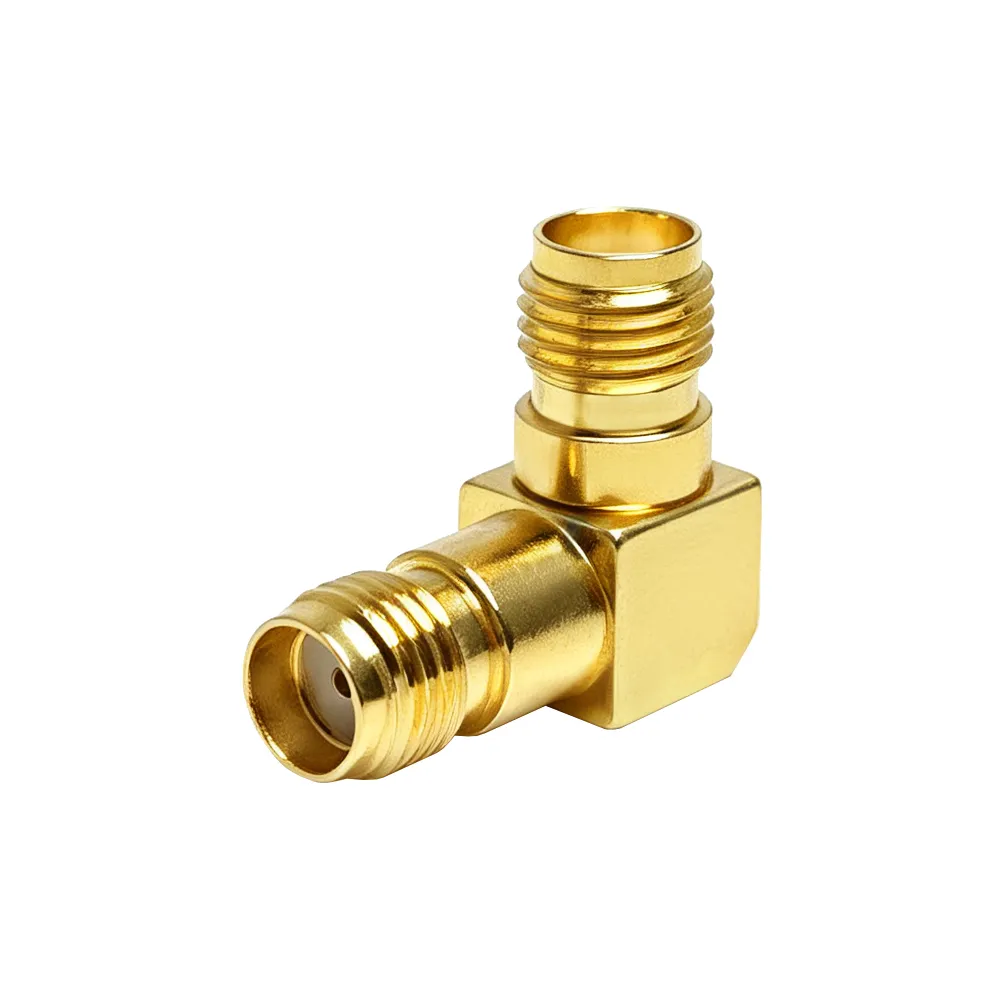
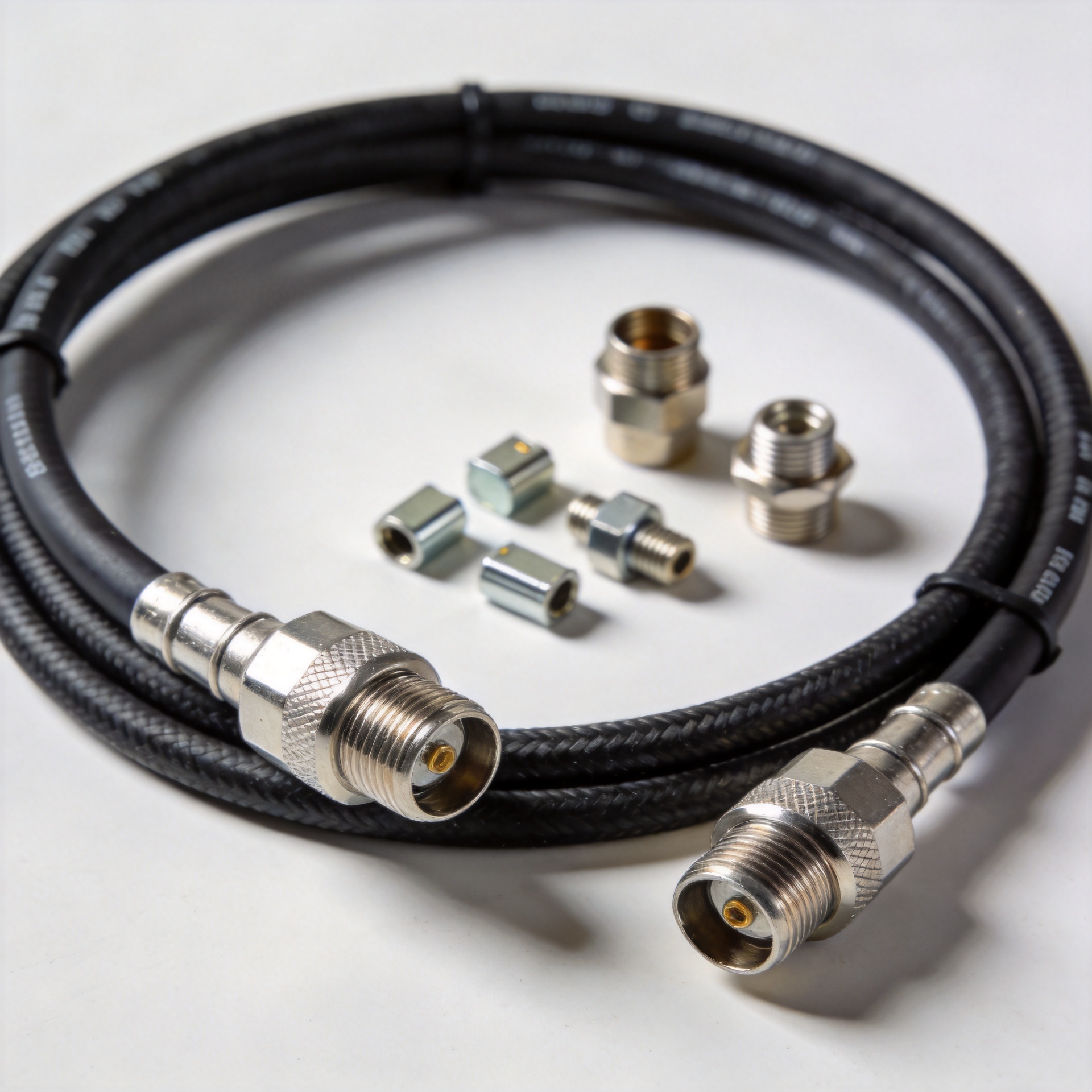
A link-path problem is often assigned to the radio, antenna, or cable first. In practice, the connector interface and the supplier-control process can be the hidden variable. When sourcing custom assemblies, a capable rf connector manufacturer helps buyers convert an incomplete RFQ into a testable, repeatable build. That matters when a prototype works on the bench but a production batch shows return-loss drift, mating problems, or a schedule slip.
For B2B teams, supplier selection is not simply a catalog comparison. It is a controlled handoff between design, purchasing, production, and incoming inspection. The goal is to define the electrical interface, mechanical stack-up, documentation set, and acceptance criteria before parts are released.
Start troubleshooting at the interface, not at the purchase order
RF selection is system-level work. Frequency range, impedance, insertion loss, power, plating, cable construction, and mating geometry interact. A connector that looks appropriate at a low-frequency bench check may not preserve the same margin across the intended band, cable run, and installed environment. Before comparing an rf connector manufacturer, trace the full path: radio port, adapters, cable type and length, bulkhead transition, antenna-side interface, and the number of mated pairs.
For example, an rg8 bnc connector request should state the cable's actual construction, nominal impedance, BNC gender, termination method, and operating band. “BNC for RG8” alone leaves too much open to interpretation. The same discipline applies to an rg11 compression connector: define cable dimensions, shield construction, compression tooling expectations, and the application impedance before approving a sample.
Build a specification-confirmation package
A useful RFQ contains more than a part description. Give the manufacturer a controlled checklist and ask for written confirmation of each point:
- Interface family, gender, polarity, impedance, and mating reference.
- Frequency band, return-loss or VSWR target, insertion-loss limit, and power conditions.
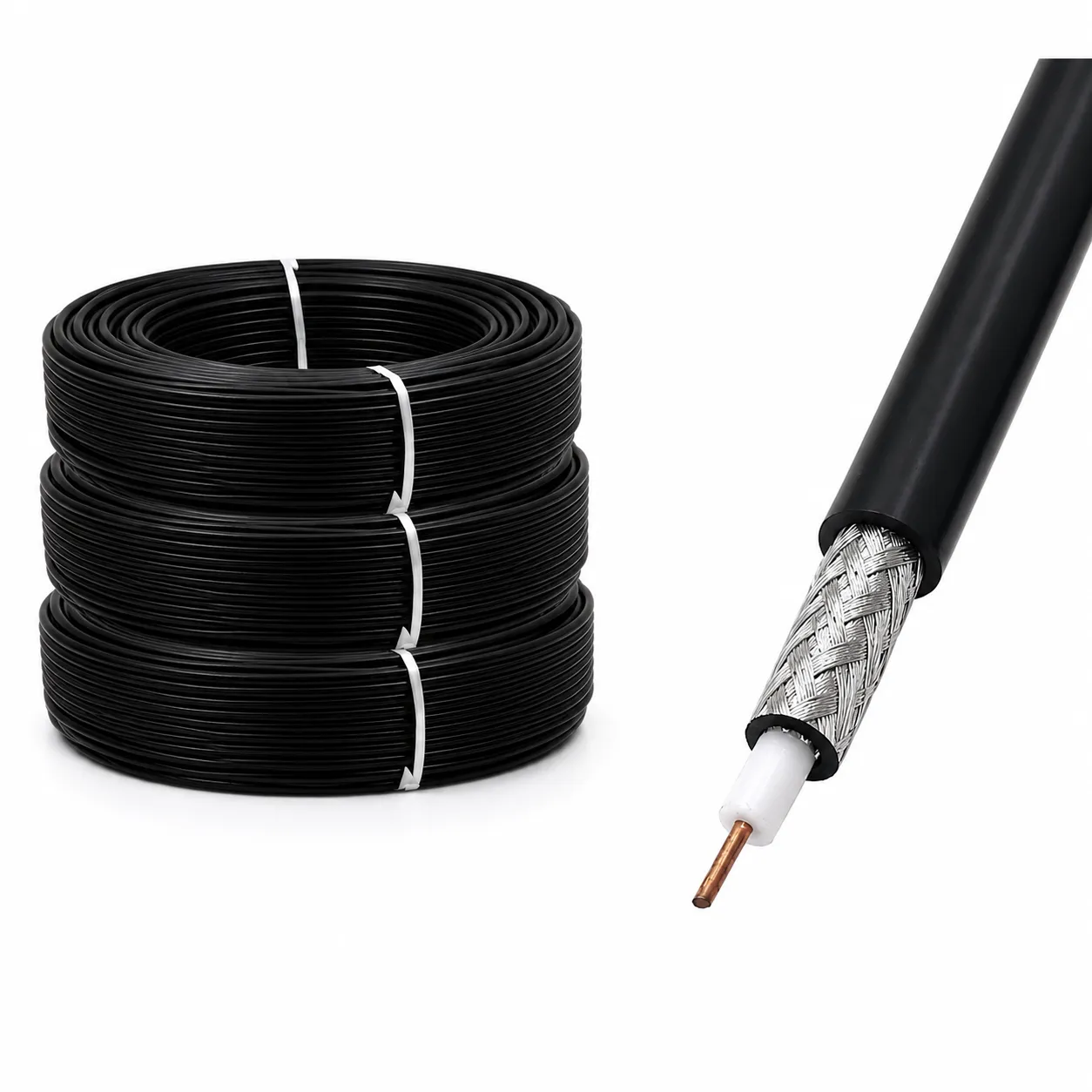
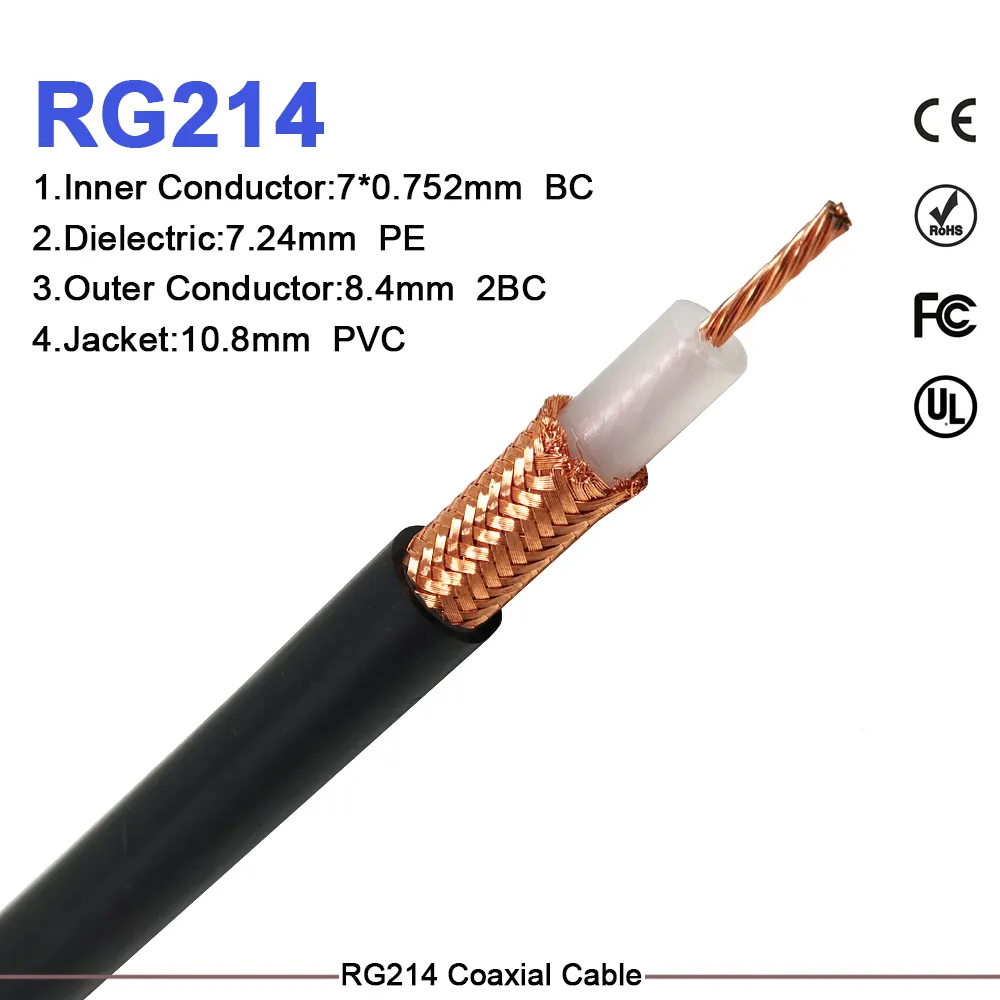
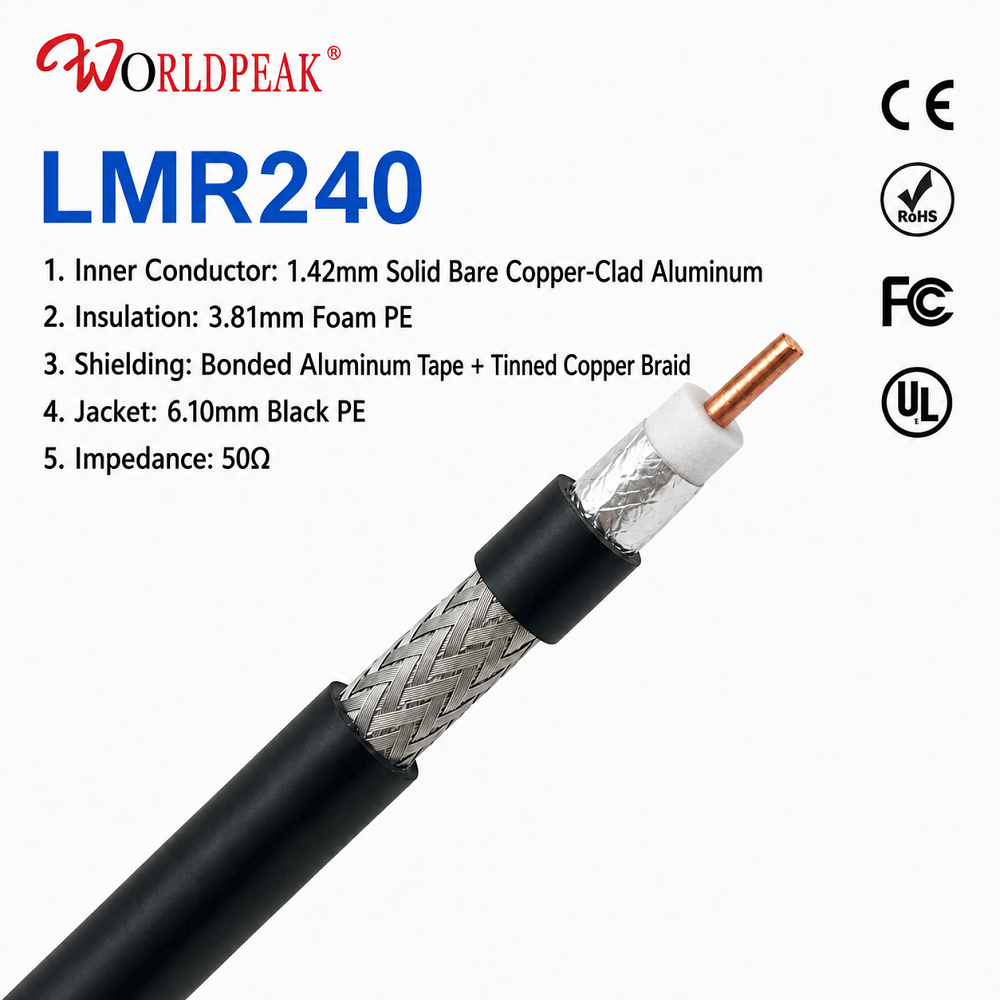
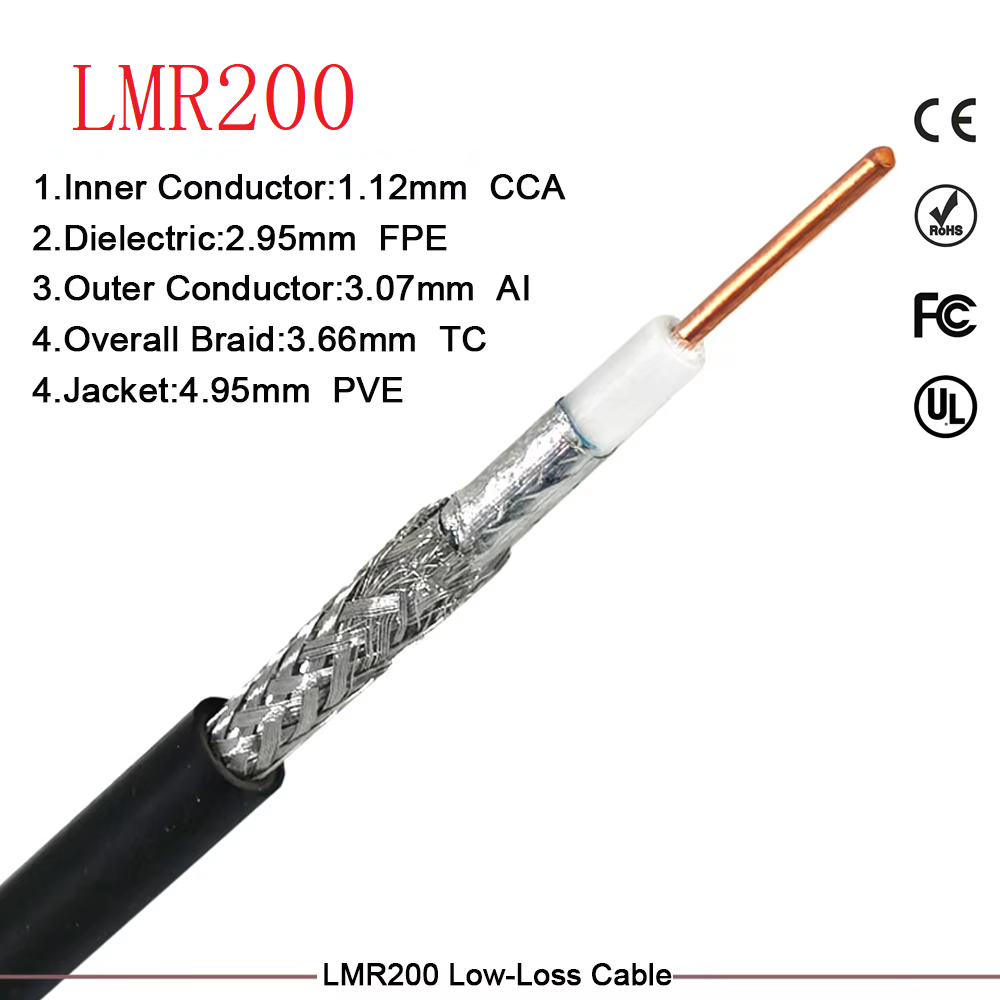
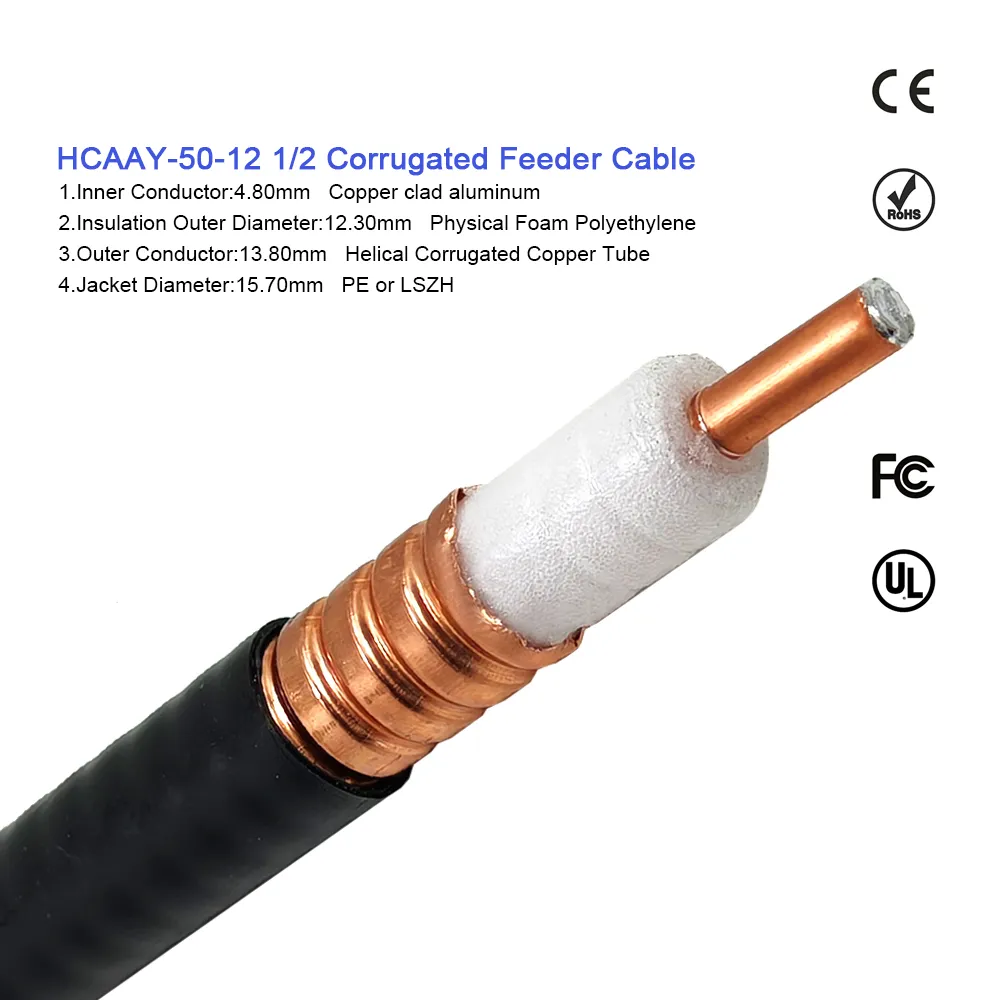
- Cable make-up: conductor, dielectric, shielding, outer diameter, length tolerance, bend constraints, and stripping dimensions.
- Body and contact materials, plating, environmental exposure, mating-cycle requirement, and installation space.
- Drawing revision, bill of materials, labeling, packaging, traceability, and change-control requirements.
Ask for the assembly drawing, interface drawing, process route, inspection plan, and certificate format before production. IEC 61169-1-4:2020 describes test methods for VSWR, return loss, and reflection coefficient. IEC 61169-1-6:2022 addresses power-rating and power-handling test conditions at stated frequency, temperature, and altitude. These references are useful for defining what will be measured; they do not, by themselves, prove that a particular supplier or assembly is certified.
Compare manufacturers by control capability
The most suitable rf connector manufacturer for a program depends on the risk in the link path. Price and stated capacity are relevant, but the practical comparison should include whether the supplier can preserve the same build across lots and document what changed.
| Evaluation area | What to request | Why it matters |
|---|---|---|
| Engineering review | Annotated drawing and open-issue list | Catches wrong gender, impedance, and cable-interface assumptions before tooling. |
| Quality system | Current ISO documentation, inspection plan, calibration scope, and nonconformance process | Shows how material, test equipment, and lot records are controlled. |
| Defense or harsh-use work | Applicable MIL-STD-348 interface documentation and program-specific test evidence | Separates an interface requirement from unsupported claims of military qualification. |
| Capacity and lead time | Sample timing, pilot-lot capacity, production lead-time window, and change notice process | Lets purchasing plan around confirmed constraints rather than an optimistic quote date. |
ISO certification is a quality-management signal, not a substitute for the assembly's test record. Likewise, MIL-STD-348 addresses RF connector interface dimensions; a buyer should still specify the exact program requirements, inspection level, and evidence expected. If your primary constraint is field reliability, traceability and sample validation should carry more weight than a nominally lower unit price.
Use OEM capability where it reduces integration risk
Worldpeak focuses on RF connectors, coaxial cable assemblies, and RF passive components, which can simplify a multi-interface sourcing review when the engineering team needs a single technical conversation. For high-power transitions, buyers can review the documented product page for the RFX-Custom-02 high-power RF connector as a starting point for interface discussions. For a 75-ohm link, the RF-N-75B low-PIM N connector provides a separate documented option to review.
In communications, the supplier conversation commonly centers on weather exposure, cable routing, and consistent electrical behavior across a rollout. Industrial installations add vibration, enclosure constraints, and serviceability. Defense-oriented programs usually add controlled drawings, configuration control, environmental requirements, and traceability. A bnc tee connector can look like a small accessory, but its tee geometry, impedance, and use in a measurement or distribution path should still be reviewed against the system requirement.
Set MOQ, sample, and acceptance rules before scaling
Do not treat MOQ as only a commercial number. Ask whether it changes the material lot, tooling, inspection frequency, or lead-time commitment. A sensible path is: feasibility review, drawing confirmation, first sample, documented evaluation, pilot lot, then production release. The first sample should be tested against the same electrical and mechanical criteria that will be used for incoming acceptance.
- Submit an RFQ with the controlled specification package and annual or project volume forecast.
- Review the supplier's drawing, deviations, test plan, and proposed MOQ before authorizing samples.
- For samples, record serial or lot identity and inspect interface dimensions, workmanship, and electrical performance under the agreed conditions.
- Approve a pilot lot only after deviations are closed; define what requires written approval if materials, tooling, or process settings change.
- At receiving, verify labels, quantity, documentation, visual condition, and the agreed sampling or full-test evidence.
Common sourcing questions
When should you involve an rf connector manufacturer?
Involve an rf connector manufacturer when a cable assembly changes interface, length, impedance, or environmental requirement. An rf connector manufacturer can review the drawing before a sourcing error becomes a production delay. For recurring builds, ask the rf connector manufacturer to document the approved configuration. This gives the rf connector manufacturer a clear basis for samples, production, and change notices.
How should an rg11 compression connector be specified?
An rg11 compression connector request should identify the measured cable diameter and construction. Confirm the rg11 compression connector termination method with a sample. The approved rg11 compression connector drawing should state tooling and inspection points. For outdoor work, also review sealing expectations for the rg11 compression connector.
What should buyers check for a bnc tee connector?
A bnc tee connector needs an interface, impedance, and system-use review. Do not select a bnc tee connector only by appearance. Verify whether the bnc tee connector is used for measurement, distribution, or a temporary test path. Record the approved bnc tee connector in the bill of materials.
What belongs in an rg8 bnc connector sample review?
For an rg8 bnc connector, verify cable dimensions, braid preparation, pull resistance, and electrical readings. The rg8 bnc connector sample should use the proposed production process. Keep photos and test records with the rg8 bnc connector approval. This makes later rg8 bnc connector receiving inspection more consistent.
Final supplier checklist for a stable RF path
A reliable rf connector manufacturer should be able to answer a precise RFQ with a precise response: what will be built, which drawing controls it, how it will be tested, what documents will ship, and how changes will be communicated. If those answers remain vague, the sourcing risk is already visible. Confirm the interface and cable details, make the sample representative of production, and align acceptance testing with the link-path failure modes you are trying to prevent.