EN

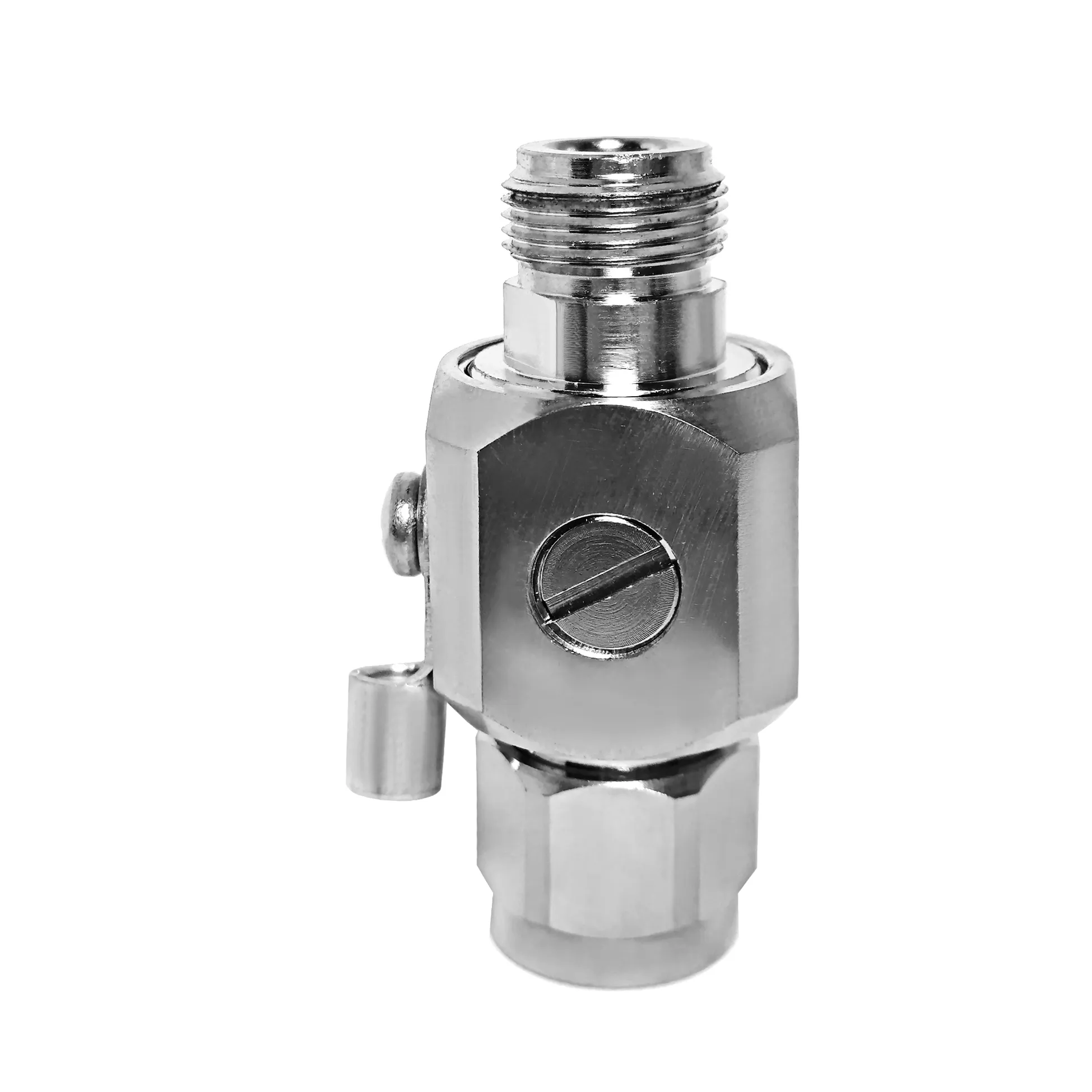
The n type antenna connector is a medium-sized, threaded 50-ohm coaxial connector designed to handle RF signals reliably from DC up to 11 GHz (with precision air-dielectric variants operating up to 18 GHz). Unlike quick-connect bayonet or snap-on interfaces, its 5/8-24 threaded coupling mechanism delivers constant contact pressure, minimizing passive intermodulation (PIM) and preventing signal dropouts under extreme vibration or heavy cable tension.
| Interface Feature | N-Type Standard | Comparison with Alternative Interfaces (BNC / TNC) |
| Coupling Mechanism | Threaded (5/8-24 pitch) | BNC uses quick-turn Bayonet; TNC uses smaller 7/16-28 thread |
| Nominal Impedance | 50 Ohms (75 Ohm versions available) | Standard 50 Ohm and 75 Ohm variants |
| Frequency Range | DC to 11 GHz (Extended up to 18 GHz) | BNC: DC to 4 GHz; TNC: DC to 11 GHz |
| Vibration / Strain Resistance | Heavy-Duty Bulkhead & Feeder Duty | BNC: Light laboratory duty; TNC: Medium panel duty |
| Weather Protection | Internal Silicone O-Rings + IP67/IP68 Booting | Requires specialized waterproof boots or tape wrapping |
Wireless Infrastructure, Cellular Base Stations & Telecom
In commercial cellular telecommunications, the n type antenna connector serves as a vital bridge between high-power feeder coaxial lines and outdoor tower equipment. As 4G LTE and 5G networks expand into outdoor small-cell architectures and private CBRS networks, interconnect stability dictates uptime.
-
Outdoor Feeder Transitions: Connecting low-loss 1/2-inch or 7/8-inch corrugated coaxial cables to directional macro antennas.
-
Surge Protection & Grounding: Integrating inline lightning protectors that feature an integrated female n type antenna connector port right at the cabinet entry bulkhead.
-
Lightning and Power Isolation: Utilizing specialized dc block n type protectors to prevent hazardous surge currents or direct current biases from traveling into sensitive baseband units (BBUs) while preserving low insertion loss for the primary RF signal.
Engineers specify the n type antenna connector here because it maintains low Voltage Standing Wave Ratio (VSWR) even when exposed to severe thermal cycles, wind loads, and rain.
Public Safety, Utility Networks & Critical VHF Radio Systems
First responders, rail transport operators, and electrical utility providers cannot tolerate intermittent communications. Their mission-critical networks operate predominantly across Land Mobile Radio (LMR), VHF, and UHF bands.
When configuring a tower-mounted or vehicle-mounted vhf antenna connector setup, field engineers choose the N-type female panel mount or male cable plug for its rugged physical shell.
-
Signal Flow & Topology:
-
VHF Transceiver Cabinet transfers the signal through an inline dc block n type component to prevent DC bias and transient surge energy from reaching the radio hardware.
-
The interface feeds into a Panel-Mount N Female Interface anchored to the cabinet bulkhead to eliminate physical strain on the interior electronics.
-
A ruggedized Corrugated Coaxial Cable (N Male) delivers the RF signal across the main feeder line directly to the tower-mounted vhf antenna connector termination.
-
In heavy rail and smart grid telemetry, a dedicated vhf antenna connector junction terminates external antennas on locomotives or remote terminal units (RTUs). The threaded engagement resists shock and continuous mechanical vibration far better than lightweight alternatives.
Industrial IoT, Automation & Smart Port Logistics
Automated manufacturing plants, container shipping terminals, and remote mining sites rely on private Wi-Fi, LoRaWAN, and cellular IoT gateways to manage autonomous vehicles and monitoring systems.
These environments expose RF connectors to dust, chemical fumes, and mechanical impacts. Installing a panel-mount female n type antenna connector on the gateway chassis offloads physical strain from internal PCBs.
Whenever active antenna power injection needs to be isolated from incoming radio receivers, engineers install an inline n type dc block component. The n type dc block passes RF frequencies seamlessly while isolating up to 50V–100V DC power feeds, preserving system sensitivity.
RF Test, Measurement & Laboratory Calibration
Test equipment manufacturers and calibration laboratories utilize the n type antenna connector on spectrum analyzers, vector network analyzers (VNAs), and signal generators.
-
Front-Panel Test Interface Architecture:
-
VNA / Spectrum Analyzer Front Panel features a heavy-duty N Female precision port.
-
A Precision Test Cable (N Male) connects the front panel directly to the Device Under Test (DUT).
-
An inline n type dc block component is inserted at the analyzer input to protect sensitive internal attenuators and mixer stages from unexpected DC offset voltages.
-
-
Durability: The large thread interface withstands thousands of mating cycles without mechanical wear or degradation.
-
Instrument Protection: High-frequency instrument front ends are sensitive to direct current damage. Laboratory technicians routinely connect an n type dc block to analyzer inputs to prevent unexpected DC voltages from damaging expensive internal attenuators.
-
Versatility: Serves as a standard interface for adapting to smaller sub-assemblies like SMA, TNC, or 3.5mm precision connectors.
Defense, Aerospace Support & Mobile Tactical Communications
Military communications, tactical radar support units, and ground station telemetry mandate interconnect components built to strict environmental specifications (such as MIL-STD-348 and MIL-PRF-39012).
Field communications trailers and transportable command centers rely on the n type antenna connector because field technicians can easily inspect, torque, and clean the interface using standard tools. When setting up temporary ground antennas, a rugged vhf antenna connector junction ensures uninterrupted radio links despite heavy foot traffic, dust storms, or mud exposure.
Procurement & Engineering Selection Checklist
When specifying connectors for new infrastructure projects or field service kits, evaluate the following criteria:
-
Impedance & Frequency Alignment: Ensure your entire signal path uses 50-ohm components (or 75-ohm where specifically required) rated for your target frequency band.
-
Environmental Sealing: Verify whether the n type antenna connector incorporates internal silicone O-rings (IP67/IP68 rated) or requires external cold-shrink boots for permanent outdoor installations.
-
DC Bias Protection: Determine if active tower-mounted electronics require a dc block n type device to safeguard delicate receiver inputs against stray power surges.
-
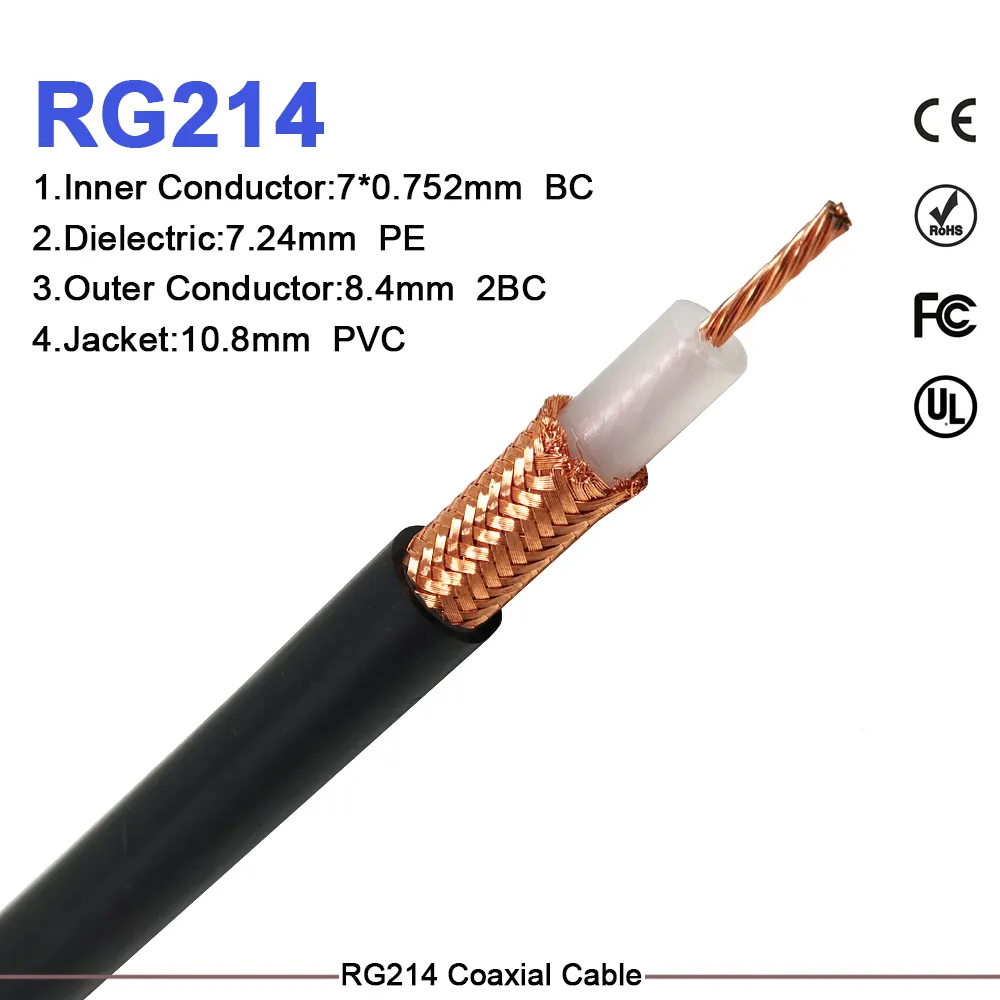
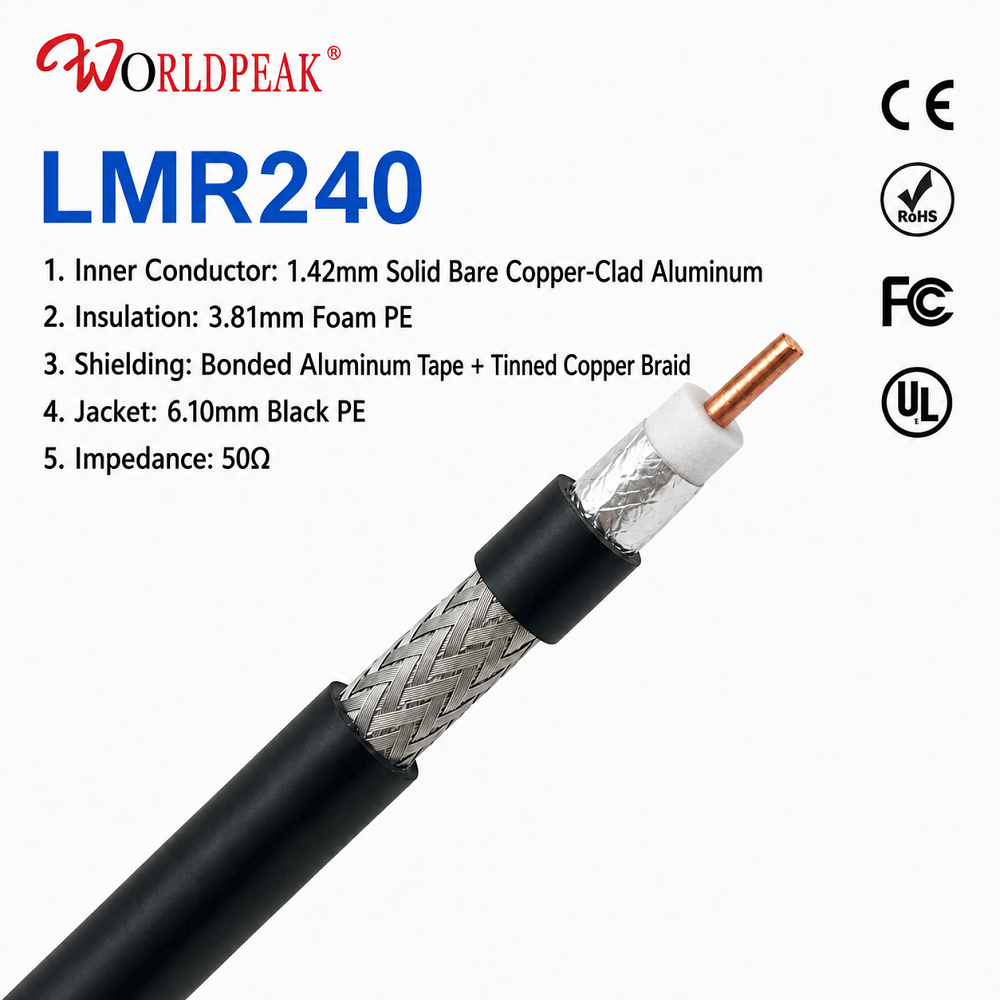
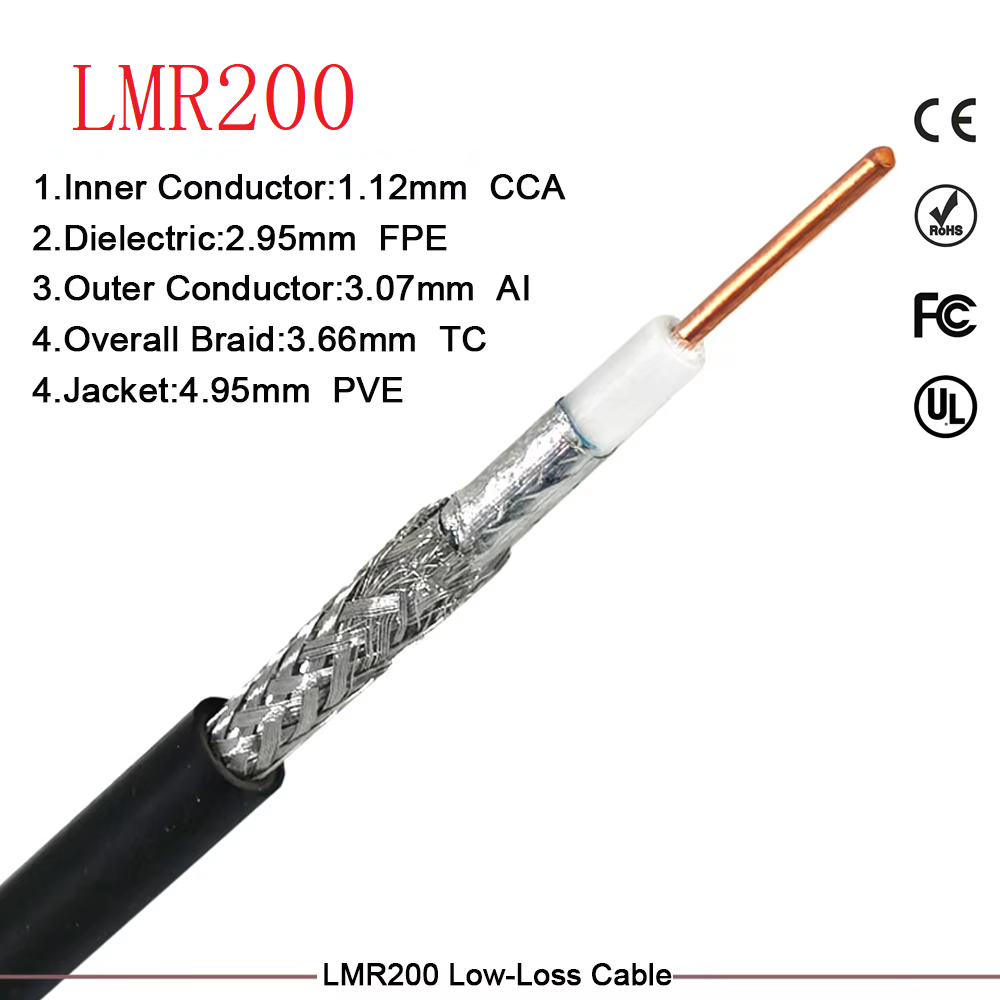
Mechanical Cable Strain Relief: Match the specific cable clamp or crimp sleeve to your exact coax cable diameter (e.g., LMR-240, LMR-400, RG-213) to prevent water ingress and mechanical separation.
By understanding the operational demands of each industry—from public safety vhf antenna connector deployments to cellular network n type dc block integration—procurement teams can source the correct interconnect hardware to keep critical RF systems online.
For technical specifications, customized cable assembly designs, and certified interconnect hardware, explore the product engineering catalog at