EN

What Industries Rely on Semi Rigid Coaxial Cable Most?
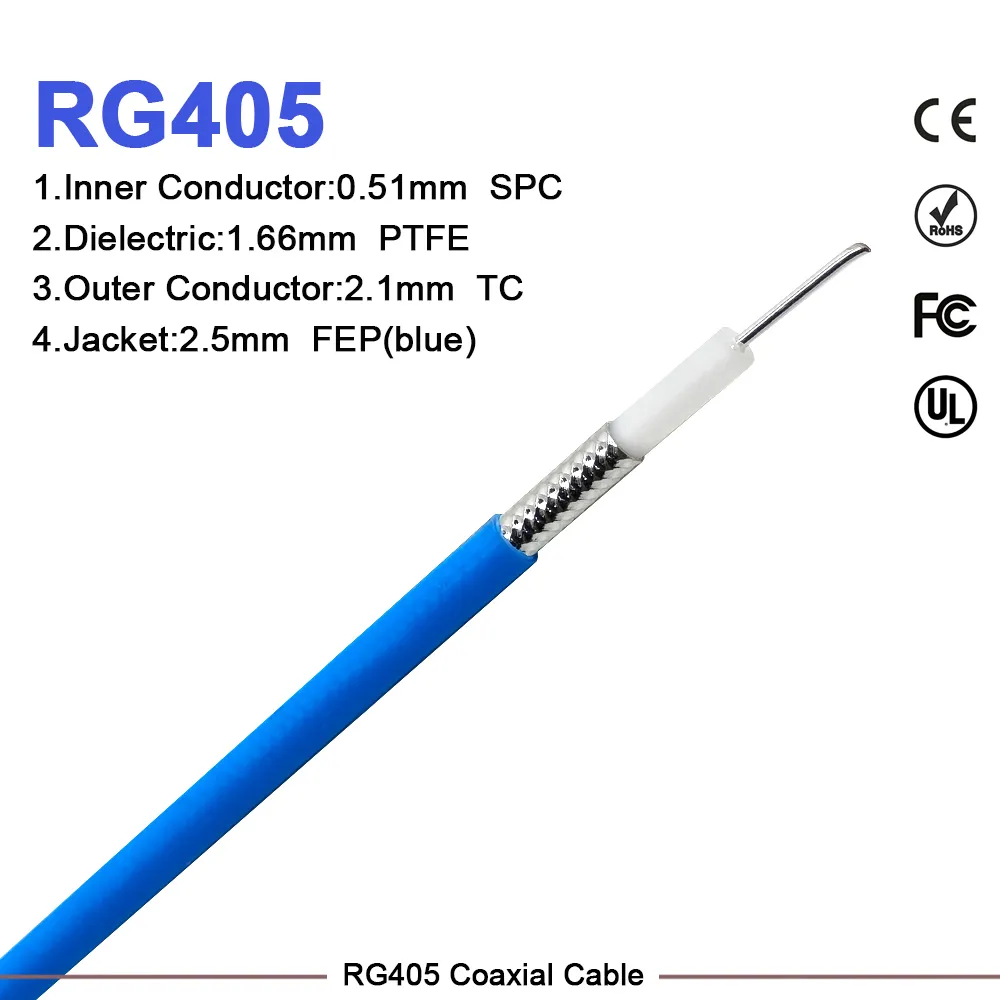
When an RF path must keep its impedance stable after installation, semi rigid coaxial cable is often the practical answer. Unlike a flexible braid-shielded lead, it uses a solid metal outer conductor around the dielectric and center conductor. That construction gives the assembly a defined route, strong shielding, and repeatable electrical behavior after it has been formed. For a buyer, the important point is not that it is “better” than every flexible cable. It is that a semi-rigid run solves a particular system problem: keeping a high-frequency path mechanically and electrically predictable in a tight, controlled space.
As an RF component buyer, I would start with the installed system rather than the cable name. Frequency, required impedance, path length, allowable loss, vibration, service access, and the routing envelope all matter together. A cable that looks economical on a drawing can create a difficult rework job if its bend rule or connector orientation was not considered first.
Why Semi Rigid Coaxial Cable Behaves Differently
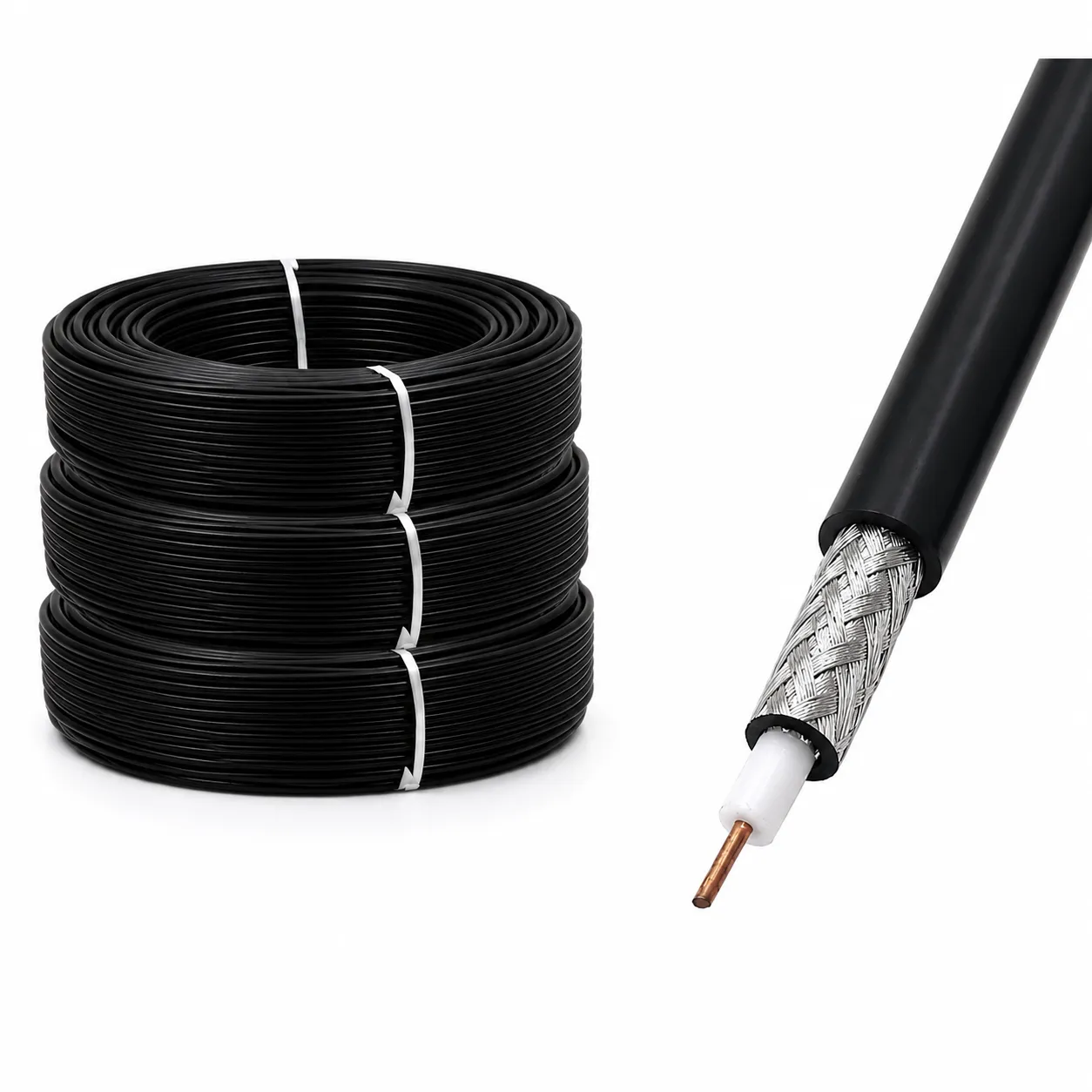
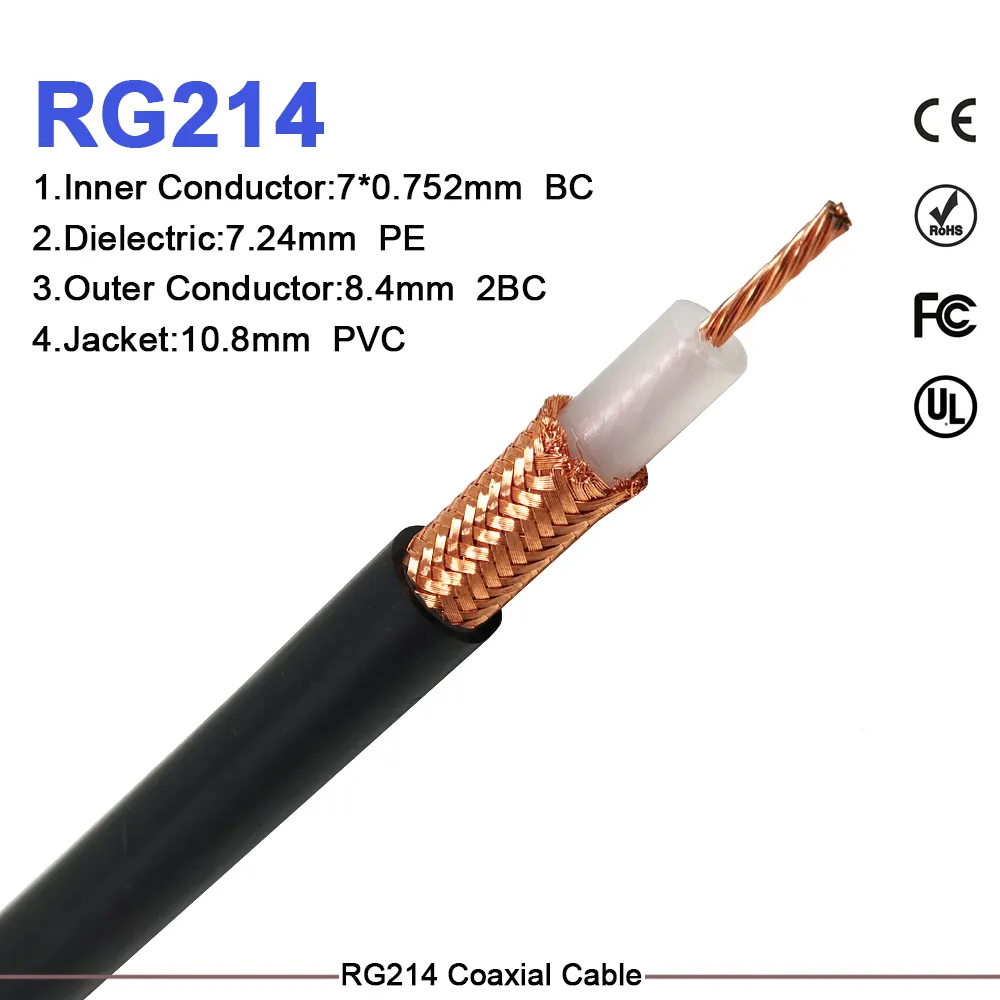
A coaxial cable carries signal through a center conductor separated from an outer conductor by a dielectric. The diameter relationship and dielectric material establish characteristic impedance; the outer conductor also forms the main shield. In semi rigid coaxial cable, that outer conductor is commonly a seamless metal tube rather than a woven braid. The result is strong coverage against external coupling and a formed route that tends to hold its shape.
Material selection is therefore a system decision. A copper outer conductor may suit a compact, low-loss RF route, while other sheath materials can be selected when weight, corrosion exposure, temperature, or mechanical handling changes the priority. Attenuation rises with frequency and length, so the smallest diameter is not automatically the right choice. A larger construction may reduce loss, but it also needs more room and a larger permitted bend radius. Ask the supplier for the applicable attenuation table, impedance tolerance, operating environment, and forming instructions for the exact construction—not for a similarly named cable.
The Industries That Depend on It Most
Defense, aerospace, and satellite hardware
Avionics racks, radar modules, electronic warfare equipment, and satellite payload hardware often have constrained enclosures and demanding vibration or temperature conditions. These systems value stable routing, shielding, and repeatable RF performance. Semi-rigid assemblies can be formed to a fixed path between boards, filters, mixers, and antenna interfaces, reducing the chance that a service loop changes the electrical path. Where a qualification requirement applies, procurement should verify the exact drawing, material, and test documentation rather than assuming that any semi-rigid construction meets the requirement.
Telecommunications and wireless infrastructure
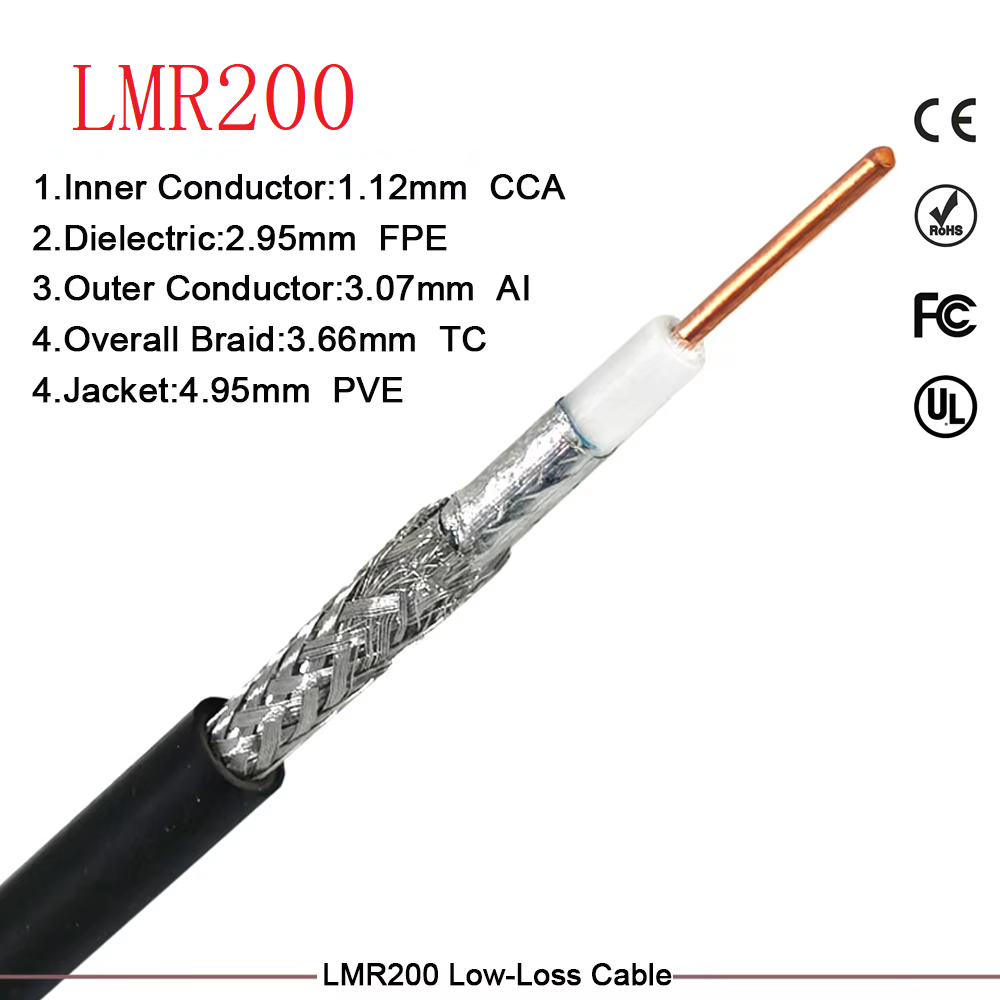
Base-station radios, microwave backhaul equipment, distributed antenna equipment, and test fixtures use short RF interconnects where insertion loss and shielding affect link margin. Here, 50-ohm semi rigid coaxial cable is common because many RF transmit, receive, and test interfaces are built around 50 ohms. Flexible options such as lmr200 may be more convenient for longer field runs or serviceable routing, but a short, formed semi-rigid assembly can be the more controlled choice inside equipment where movement is limited.
Medical imaging, scientific instruments, and industrial test
Analytical instruments, MRI subsystems, laboratory measurement setups, and automated RF test equipment need clean, repeatable signal paths. A semi-rigid route is useful where a cable must stay clear of moving parts or where a fixture is repeatedly tested in the same configuration. The decision should still include maintenance: if technicians must replace the lead frequently, a flexible cable assembly may be more sensible. In other words, semi-rigid is most valuable when the installed geometry is intentional and durable.
Broadcast, video, and communications integration
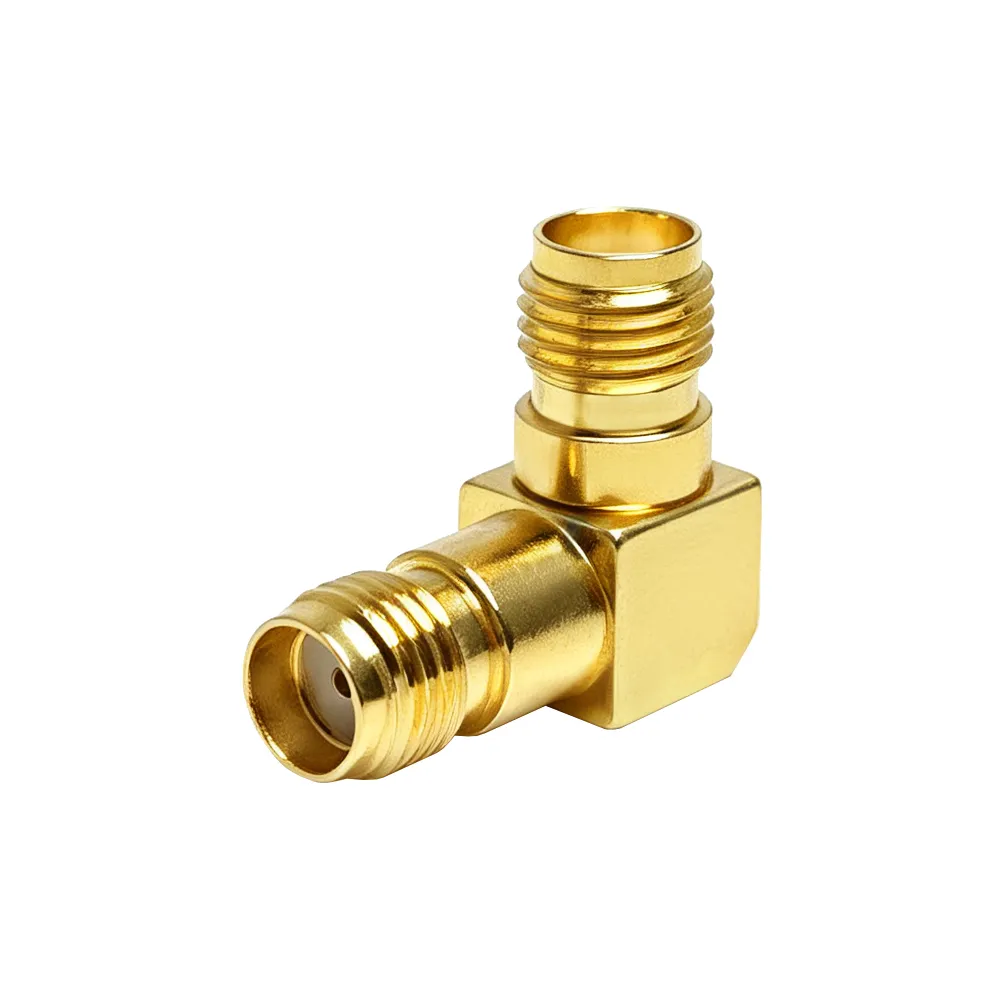
Impedance is not a ranking of quality; it is a compatibility requirement. A 50-ohm network is typical for many RF and microwave paths. A 75-ohm system is common in video, broadcast, satellite distribution, and related signal-distribution applications. Using the wrong impedance can create reflections and measurement errors even when the cable appears physically compatible. For example, a bnc female to female adapter should be selected with the system impedance, connector style, frequency range, and mechanical interface in mind—not just the mating gender.
How to Compare Semi-Rigid with RG142, LMR200, and Other Flexible Coax
RG142 is often considered when a flexible, double-shielded 50-ohm cable is needed for test leads, jumpers, or installations that still require some movement. LMR200 is another flexible 50-ohm option that can fit runs where installation convenience and routing length matter. Semi-rigid cable is the stronger candidate when the route is short, fixed, tightly packaged, and sensitive to shielding or dimensional repeatability. The comparison should be based on the actual frequency, loss budget, bend requirement, connector termination, and expected service cycle.
For buyers reviewing a supplier catalog, use confirmed product data as a starting point rather than extrapolating. The available catalog record for Worldpeak RG196 50-Ohm Coaxial Cable: Engineering Data & Selection Guide can help frame a 50-ohm coax discussion, but its listing should not be treated as a substitute for the semi-rigid cable drawing required for a specific assembly.
Installation Controls That Prevent Expensive Rework
- Freeze the route before forming. Confirm connector clocking, clearance to covers, and service access with a physical or digital layout.
- Follow the exact minimum bend radius. It is construction-specific. Published examples vary widely by diameter and sheath, so do not apply one cable’s bend value to another.
- Avoid repeated reforming. A semi-rigid cable should be formed with suitable tooling and deliberate sequence; repeated bending can damage the sheath or disturb the dielectric.
- Protect the termination. Support the cable near connectors and avoid using the connector as a lever while routing.
- Inspect and test after assembly. Use the required continuity, VSWR/return-loss, insertion-loss, and visual checks for the application.
A Procurement Checklist for the Right Choice
Before issuing a purchase order, document system impedance, highest operating frequency, allowed attenuation, route length, outer diameter limit, minimum bend radius, connector interfaces, temperature and corrosion exposure, vibration, and inspection requirements. Then decide whether the installation is permanent enough to benefit from semi rigid coaxial cable. If the path is frequently moved or serviced, a flexible alternative may lower lifecycle cost. If the path is fixed and performance-sensitive, semi-rigid construction is often the more disciplined choice.
The industries that rely on it most—defense and aerospace, telecom, instrumentation, medical technology, and specialized broadcast or communications equipment—share the same need: predictable RF behavior in a controlled physical route. Matching impedance and cable construction to that need is more important than choosing by cable family name alone.