EN
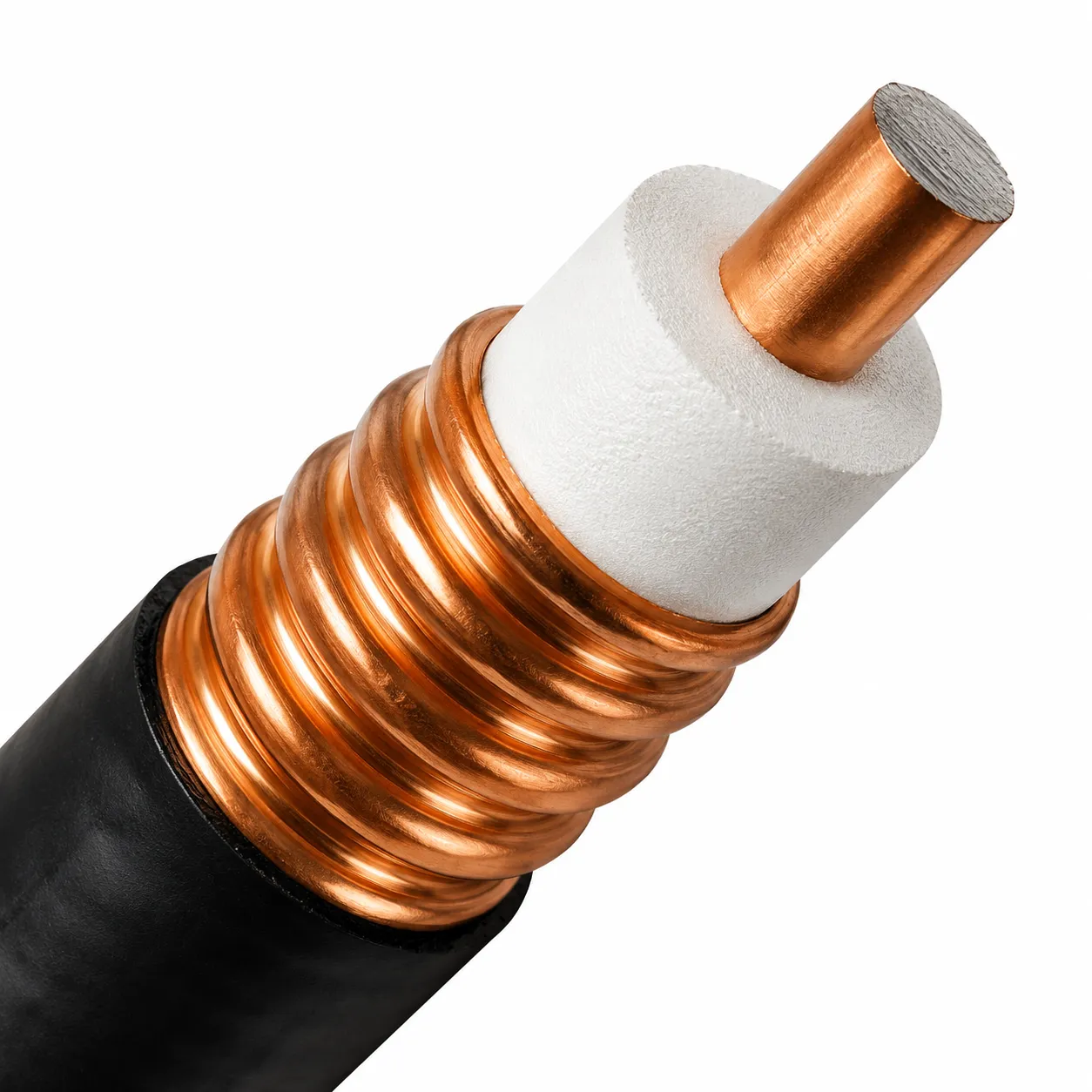
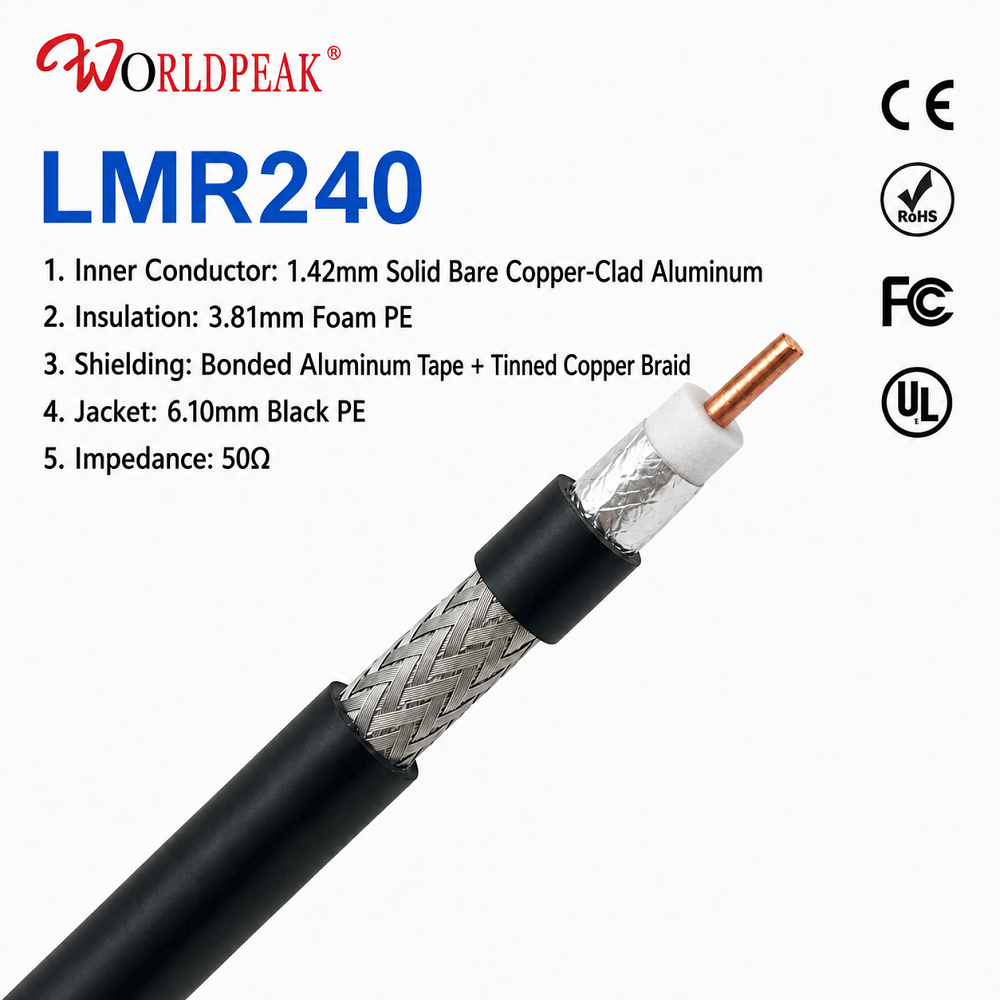
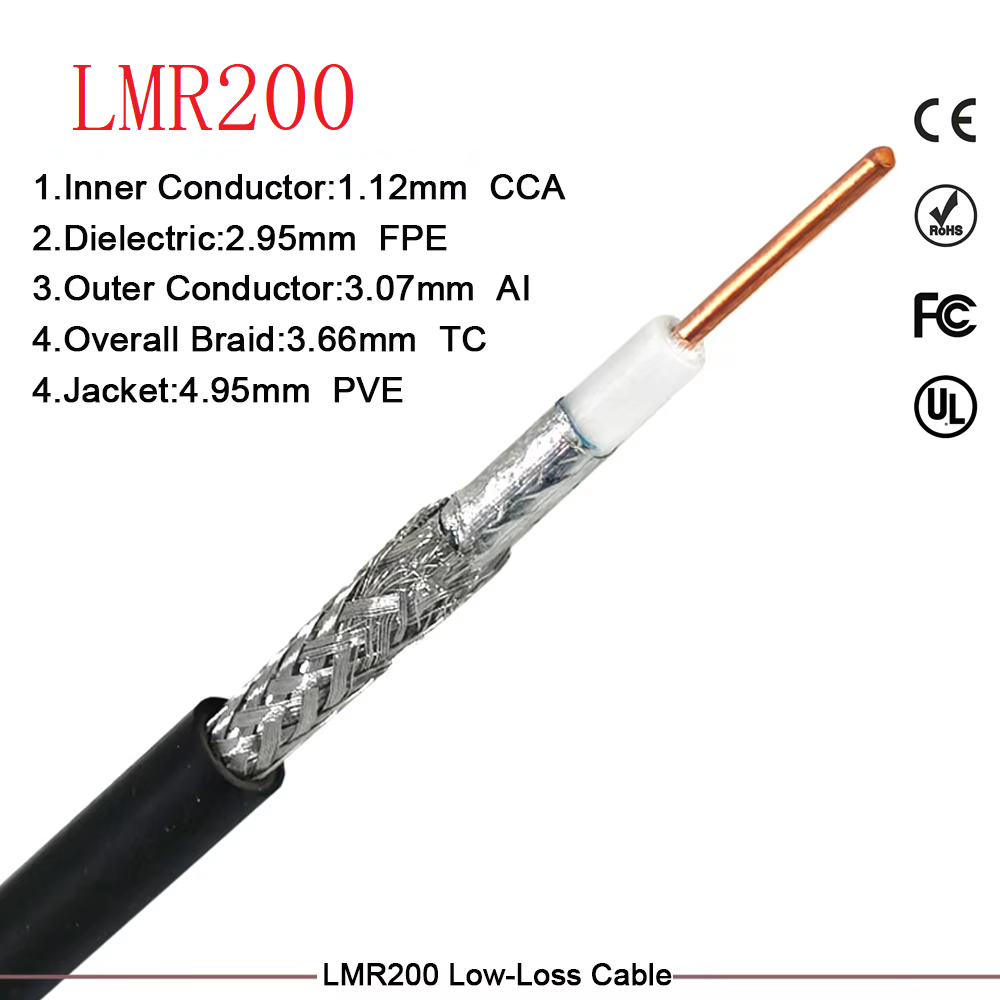
Selecting an OEM underground feeder cable for outdoor telecom infrastructure, base stations, or utility networks requires evaluating more than just inner conductor dimensions and electrical attenuation. For high-reliability RF applications, the outer jacket serves as the primary defense against harsh sub-surface environments. Specifying the wrong feeder cable sheath materials can result in moisture ingress, physical jacket degradation, signal degradation, and costly field failures.
To achieve decades of trouble-free operation, RF system engineers must match the polymer compound to the exact underground installation conditions.
Define the Sub-Surface Exposure Before Specifying Polymer Jacket Materials
Before choosing between Polyethylene, Polyvinyl Chloride, or Thermoplastic Polyurethane, document the exact physical and environmental constraints of the cable path. A low loss feeder cable retains its attenuation characteristics only if the outer jacket remains physically intact and impervious to moisture migration over its service lifespan.
Key environmental parameters to define during OEM cable specification include:
-
Moisture Exposure: Will the OEM underground feeder cable experience continuous immersion, high water tables, or seasonal freeze-thaw cycles?
-
Mechanical Stress: Is the cable routed through smooth conduit, or directly buried in crushed rock, rocky backfill, or high-vibration soils?
-
Chemical Environment: Will the underground feeder cable jacket encounter hydrocarbons, industrial runoff, agricultural fertilizers, or coastal salt spray?
-
Thermal Swings & UV Exposure: Does the assembly transition directly from an underground trench to an above-ground antenna riser exposed to direct sunlight and extreme ambient temperatures?
Comparison of Outer Sheath Compounds for Underground Feeder Cable Applications
Different polymer compounds offer distinct performance profiles across moisture resistance, tensile strength, flexibility, and flame retardancy.
| Sheath Material Family | Water Absorption Rate | Mechanical Abrasion Resistance | Cold-Flex Performance | Flame Retardancy Rating | Typical Underground Application |
| HDPE (High-Density Polyethylene) | Extremely Low (< 0.01%) | Very High | Excellent (-40 deg C) | Low (Requires Additives) | Direct Burial & Wet Ducts |
| MDPE (Medium-Density Polyethylene) | Very Low (< 0.02%) | High | Excellent (-40 deg C) | Low | Long-Distance Conduit Pulls |
| Flexible PVC (Polyvinyl Chloride) | Moderate (0.1% - 0.5%) | Medium | Fair (-10 deg C) | High (UL VW-1 / CMP) | Conduit with Indoor Riser Transitions |
| TPU (Thermoplastic Polyurethane) | Low (0.2% - 0.4%) | Outstanding | Superior (-50 deg C) | Variable | Heavy Mechanical Dragging & Rough Soils |
| LSZH (Low Smoke Zero Halogen) | Low to Moderate | Medium | Good (-20 deg C) | Self-Extinguishing | Enclosed Tunnel & Public Transit Routes |
Deep Dive: Key Sheath Material Options for OEM Feeder Cable Design
1. High-Density and Medium-Density Polyethylene (HDPE / MDPE)
Polyethylene-based compounds represent the gold standard for long-term direct burial and damp underground conduit routes.
-
Key Advantages: HDPE offers an extremely low moisture absorption rate, superior chemical resistance against acidic or alkaline soils, and exceptional stress-crack resistance. When used on a low loss feeder cable, an HDPE jacket prevents water vapor from penetrating the outer conductor foam dielectric.
-
Handling & Tradeoffs: HDPE is rigid. In cold weather, it requires larger minimum bend radii and higher pulling forces. MDPE offers a balance between flexibility and toughness, making it popular for complex conduit routes.
2. PVC Compounds (Polyvinyl Chloride)
PVC remains a widespread choice due to its balance of cost, ease of extrusion processing, and natural flame resistance.
-
Key Advantages: An underground feeder cable jacket made of flame-retardant PVC allows a single continuous cable assembly to transition directly from an outdoor underground conduit into an indoor equipment room without violating building safety codes.
-
Handling & Tradeoffs: Standard PVC is susceptible to plasticizer migration over time, which can lead to jacket embrittlement in saturated soil. For direct burial, always specify water-resistant, stabilized PVC formulations with certified moisture ratings rather than generic industrial PVC.
3. Thermoplastic Polyurethane (TPU) and Elastomeric Systems
When physical durability and continuous flex fatigue resistance are critical, TPU is the preferred RF feeder cable jacket material.
-
Key Advantages: TPU provides unmatched tear, cut-through, and abrasion resistance. It maintains flexibility down to -50 deg C, allowing installation in frozen ground without cracking the outer protective layers.
-
Handling & Tradeoffs: TPU carries a higher material cost. When specified for permanent underground burial, engineers must select polyether-based TPU grades to avoid micro-biological hydrolytic degradation caused by soil fungi.
4. Low-Smoke Zero-Halogen (LSZH) Materials
LSZH jackets are specified for underground rail transit networks, subways, and enclosed utility vaults where human toxicity in a fire is a critical hazard.
-
Key Advantages: Emits minimal smoke and zero corrosive halogen gases when burned.
-
Handling & Tradeoffs: LSZH compounds absorb more water than pure polyethylene. When using an LSZH underground feeder cable jacket in wet ducts, a water-blocking tape or aluminum-polyester moisture barrier layer must be integrated beneath the sheath.
Quality Control & Testing Standards for Underground Feeder Cable Sheaths
To guarantee reliable field performance, OEM cable manufacturers submit finished sheath formulations to standardized testing protocol suite:
-
Water Ingress & Hydrostatic Pressure Testing (IEC 60794-1-2-F5): Verifies that moisture does not migrate longitudinally along the core if the outer sheath is punctured.
-
Abrasion & Scuff Resistance (ASTM D3389 / ISO 6722): Evaluates the durability of the feeder cable sheath materials during high-tension pulling through concrete conduits.
-
Cold Bend & Impact Testing (IEC 60811-504): Ensures the RF feeder cable jacket does not crack or split when coiled or bent at sub-zero installation temperatures.
-
Environmental Stress Cracking Resistance (ESCR - ASTM D1693): Evaluates the long-term chemical resistance of polyethylene sheaths when exposed to surface-active agents in wet soil.
Connector Sealing: Preventing the Weak-Link Failure
Even the most durable OEM underground feeder cable sheath cannot compensate for an improperly sealed connector termination. Moisture that enters through the interface will travel down the cable shield, causing impedance mismatches, high VSWR, and severe passive intermodulation (PIM) issues.
When designing an OEM underground feeder cable assembly, specify dual-wall heat shrink or cold-shrink boots with internal factory-applied mastic adhesive to form a permanent IP68 seal between the jacket outer diameter and the connector body.
Engineering Checklist for OEM Cable Assembly Drawings
When finalizing your RF cable assembly engineering drawing, include explicit callouts for the outer jacket rather than vague descriptions:
-
Material Grade: Specify the exact compound (e.g., Black High-Density Polyethylene, UV-stabilized to ASTM D1248).
-
Jacket Thickness: Define nominal and minimum spot wall thickness to ensure pull-through durability.
-
Mechanical Limits: Clearly mark maximum pulling tension (N/lbf) and minimum dynamic/static bend radius ratios.
-
Environmental Ratings: Reference compliance with IEC, UL, or Telcordia direct-burial and wet-location standards.
-
Sealing Details: Detail factory-installed IP68 strain relief boots and connector sealing specifications.
By systematically matching the physical properties of your feeder cable sheath materials to the sub-surface installation environment, your OEM assemblies will deliver stable, low-loss RF performance throughout their intended operational lifecycle.