EN

For a procurement team, a delayed coaxial cable order rarely begins with a missed shipping date. It usually starts earlier: an RFQ leaves out a connector orientation, a cable length changes after a drawing is released, or the purchasing contact has to relay an engineering question through a distributor before it reaches the team manufacturing the assembly. Those small handoffs turn a manageable production schedule into a series of costly delays.
Adopting a factory-direct ODM coaxial cable assembly model reduces operational friction by uniting specification review, component coordination, assembly planning, and quality feedback under one roof. While custom manufacturing still requires material availability and strict electrical verification, direct engagement eliminates avoidable communication loops that inflate lead times across multi-tiered supply chains.
Where Lead Time is Lost in Traditional Coaxial Cable Sourcing
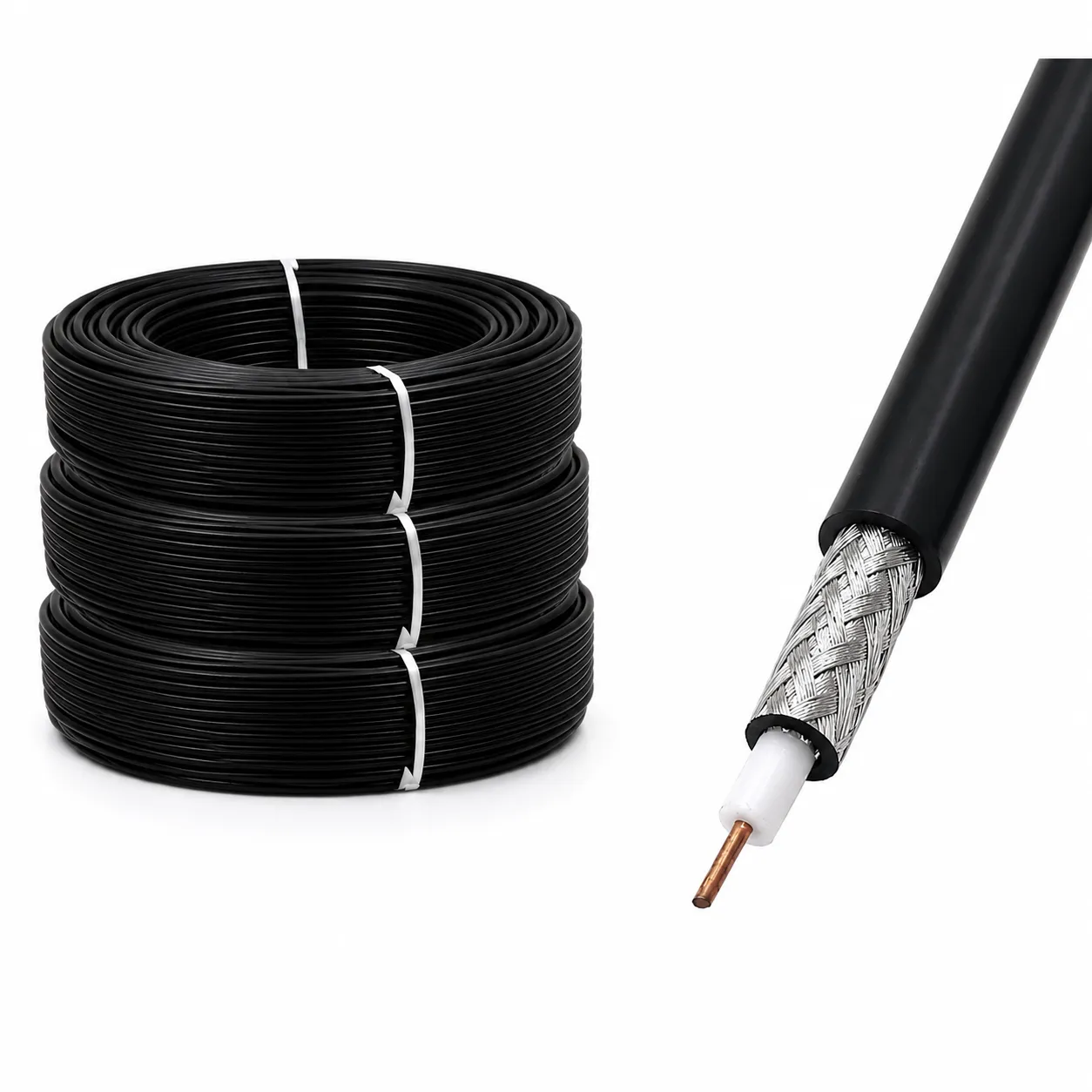
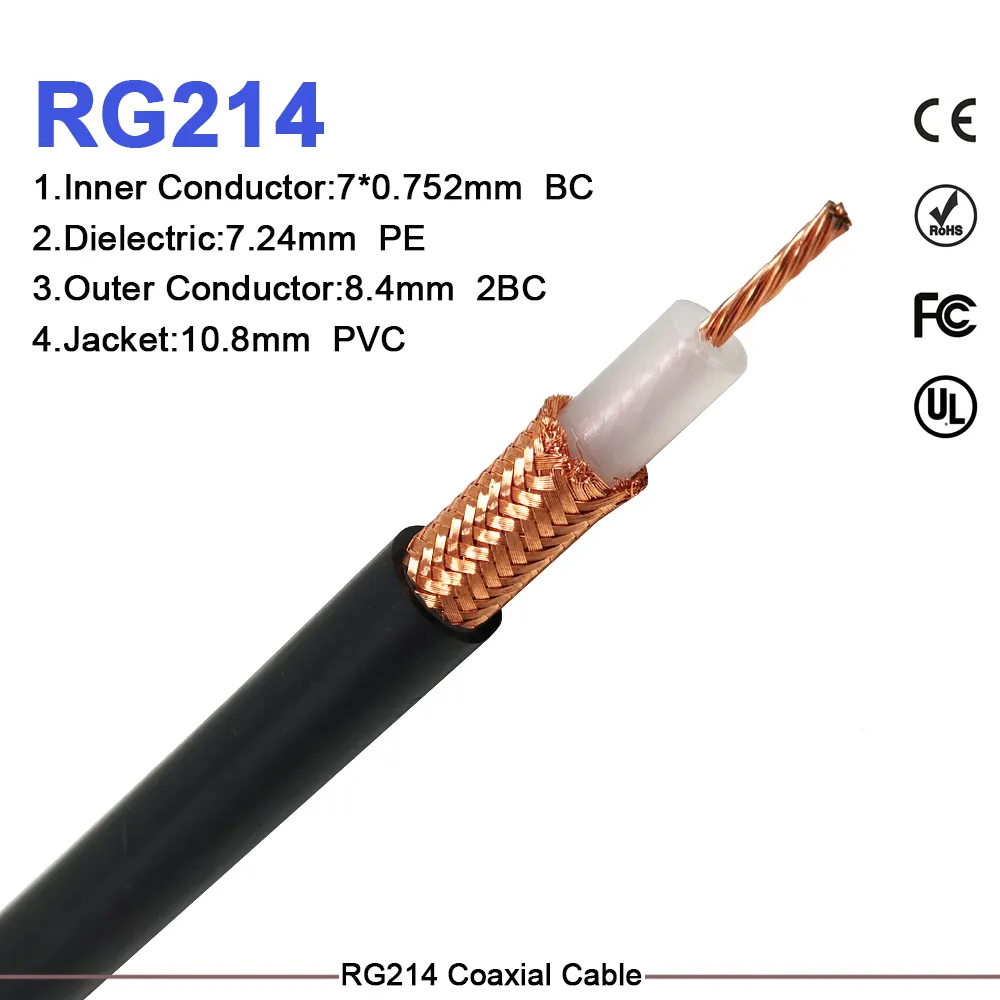
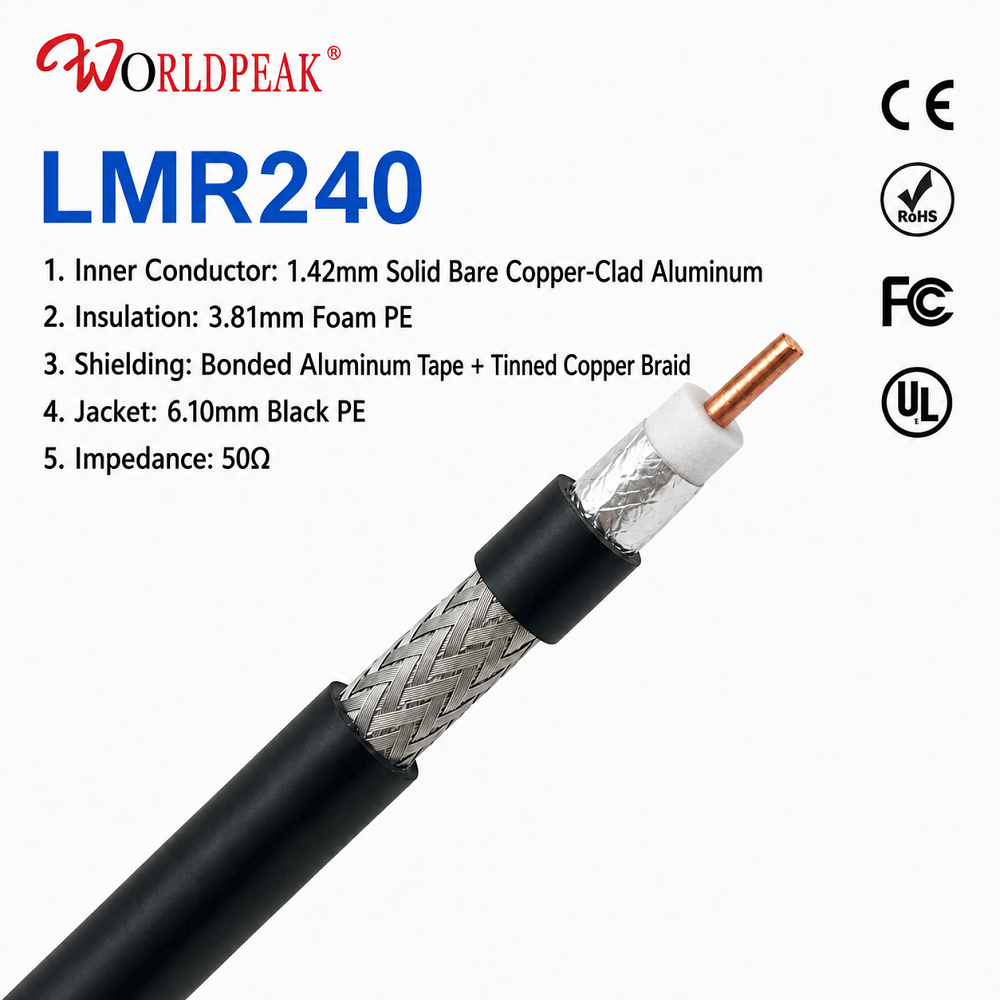
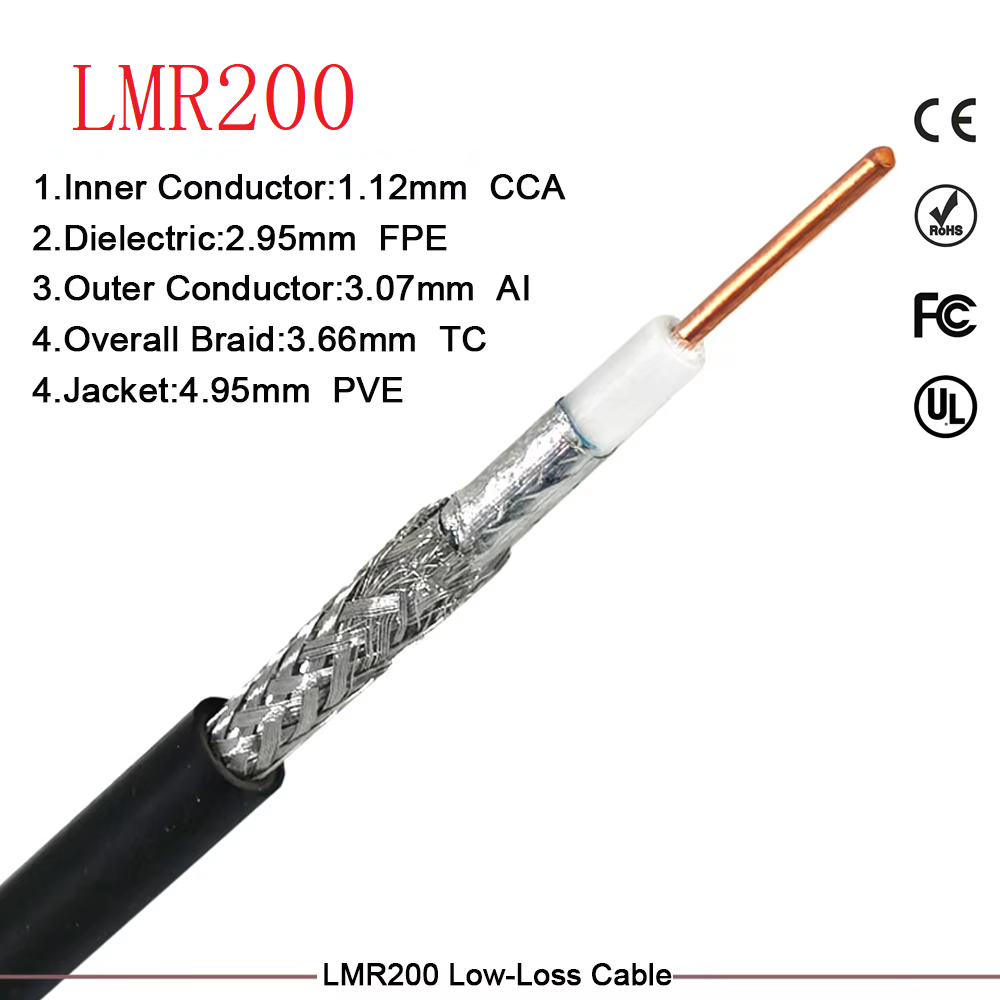
A custom coax cable is far more than a flexible length of wire with end terminations. Its core architecture consists of a center conductor, dielectric insulation, metallic shielding, and a protective outer jacket. The finished assembly depends on critical variables: interface selection, impedance matching (50 Ω or 75 Ω), stripping tolerances, crimping or soldering specs, and environmental sealing. A minor adjustment to any single variable cascades through the entire manufacturing process.
In multi-tiered sourcing, a buyer submits technical queries to a sales representative, who relays them to a factory contact, who finally consults the RF engineering team:
-
Buyer / Procurement sends technical questions or RFQ parameters.
-
Distributor / Sales Intermediary processes and relays the query.
-
Factory Engineering & Production reviews and responds via the same reverse chain.
This structure functions adequately for off-the-shelf catalog parts, but it creates bottleneck risks for complex RF cable assembly builds that require custom lengths, specialized connector pairings, phase matching, or custom labeling.
Primary causes of avoidable lead-time expansion include:
-
Incomplete RFQs: Missing parameters (e.g., VSWR limits, IP ratings, or bend radii) require multiple clarification cycles before releasing a production plan.
-
Late Engineering Change Orders (ECOs): Mid-stream drawing updates force total material re-checks and revised first-article inspections.
-
Disconnected Engineering and Purchasing: Sourcing teams delay critical component substitutions when a specific connector housing or cable jacket experiences raw-material lead time spikes.
-
Unclear Acceptance Standards: Leaving testing protocols (such as return loss curves or helium leak tests) undefined until final packing halts shipment clearance.
How Factory-Direct ODM Models Compress Supply Chain Handoffs
The core operational advantage of a direct ODM partner lies in streamlined engineering coordination. When the same facility reviews application constraints, confirms physical configurations, plans manufacturing lines, and manages quality control, technical inquiries reach design engineers without translation errors.
For high-reliability RF applications, WORLDPEAK focuses on engineered RF connectors, custom coax cable assemblies, and passive RF components. This specific product focus enables direct technical alignment on lead time reduction strategies before production lines are scheduled. Direct collaboration provides key capabilities:
-
Direct Technical Communication: Engineering teams resolve design issues without third-party translation.
-
Design for Manufacturability (DFM): In-house engineers check tolerances and performance upfront.
-
In-House Component Matching: Connectors and cables are evaluated as a complete, integrated assembly.
-
Integrated Quality Assurance: Test protocols are embedded directly into production routing.
Early Design for Manufacturability (DFM) Review
ODM engineering begins with real-world operating conditions rather than static part numbers. If an installation involves tight enclosure routing, repeated articulation, outdoor UV exposure, or high-frequency performance up to 18 GHz, the engineering team identifies manufacturability risks before raw material release. Interdependent parameters—such as dielectric constants, insertion loss budgets, mechanical retention force, and strain relief choices—are settled upfront.
The DFM process follows a clear validation flow:
-
Input Gathering: Environmental constraints (Temperature, UV, IP Rating), electrical limits (Frequency, VSWR, Impedance), and mechanical parameters (Length tolerance, flexure radius).
-
Technical Evaluation: In-house RF engineers verify component compatibility and performance thresholds.
-
Production Release: A stable, frozen work order is issued to manufacturing lines.
Validating the specification before opening a formal work order ensures that raw materials and machine times are committed only to fully frozen designs.
Elimination of Component-Assembly Disconnects
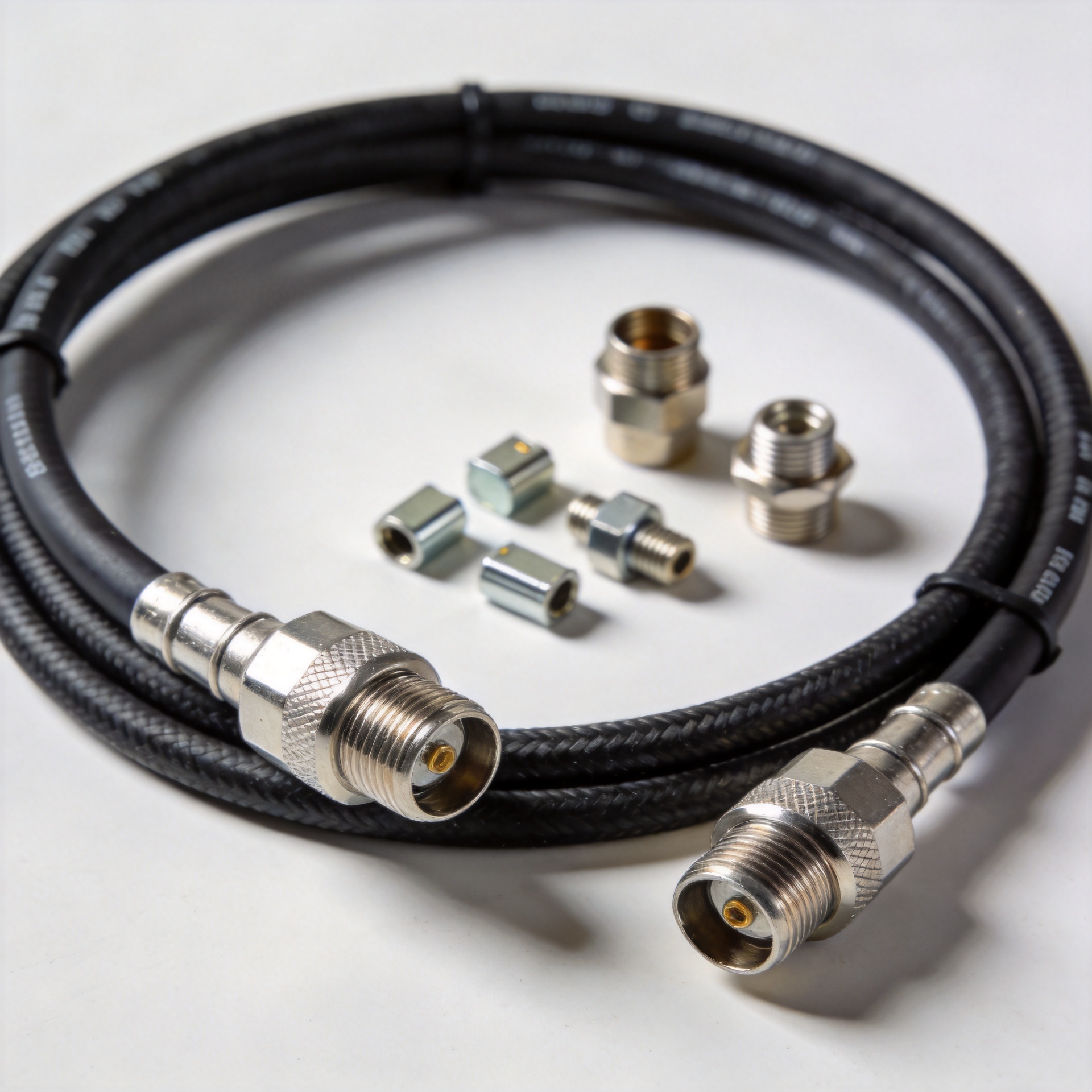
Evaluating cables, connectors, and strain-relief boots as an integrated unit prevents assembly mismatch. A factory-direct ODM coaxial cable assembly provider handles interface matching internally rather than forcing procurement personnel to resolve discrepancies between separate connector and cable vendors.
| Sourcing Parameter | Traditional Multi-Tier Sourcing | Factory-Direct ODM Model |
| Technical Review | Fragmented across sales agents and third-party plants | Direct with in-house RF design engineers |
| Alternative Component Sourcing | High risk of incompatible mechanical or electrical tolerances | Verified internal substitutions with DFM confirmation |
| Change Order Lead Time | 5 to 10 business days per query cycle | 24 to 48 hours via direct engineering contact |
| Quality Verification | Post-production inspection at distribution hub | In-line testing during stripping, crimping, and soldering |
| Traceability | Multiple vendor lot numbers to reconcile | Unified factory lot number and material certifications |
When a requested connector interface faces long component lead times, direct factory engineers propose pre-qualified, equivalent alternatives that maintain electrical compliance (50 Ω impedance, matching VSWR thresholds) without compromising assembly integrity.
Structured First-Article and Inspection Planning
A custom coax cable order moves faster when quality milestones are established at project kickoff. Procurement teams define verification requirements upfront, selecting from standard documentation options:
-
2D/3D Mechanical Drawing Approval: Pinouts, keying orientations, and jacket marking layouts.
-
First-Article Inspection (FAI): Physical sample verification prior to full batch production.
-
Electrical Acceptance Protocols: 100% testing for continuity, insulation resistance, dielectric withstand voltage (DWV), and vector network analyzer (VNA) sweep data for VSWR/insertion loss.
-
Packaging and Compliance Documentation: RoHS, REACH, and custom labeling requirements.
Coordinating these acceptance criteria during early planning prevents post-production holding periods and re-work cycles.
Technical RFQ Checklist for Accelerated Lead Times
To expedite technical review and quote generation, buyers should provide the following parameters in their initial RF cable assembly inquiry:
-
1. Application & Environmental Context: Specify operating frequency band, power handling, outdoor/indoor environment, thermal ranges, and minimum dynamic bend radius.
-
2. Assembly Construction: Detail exact tip-to-tip length, length tolerances, cable type (e.g., RG-series, LMR-equivalent, semi-rigid, or corrugated), and outer jacket requirements (LSZH, PVC, FEP).
-
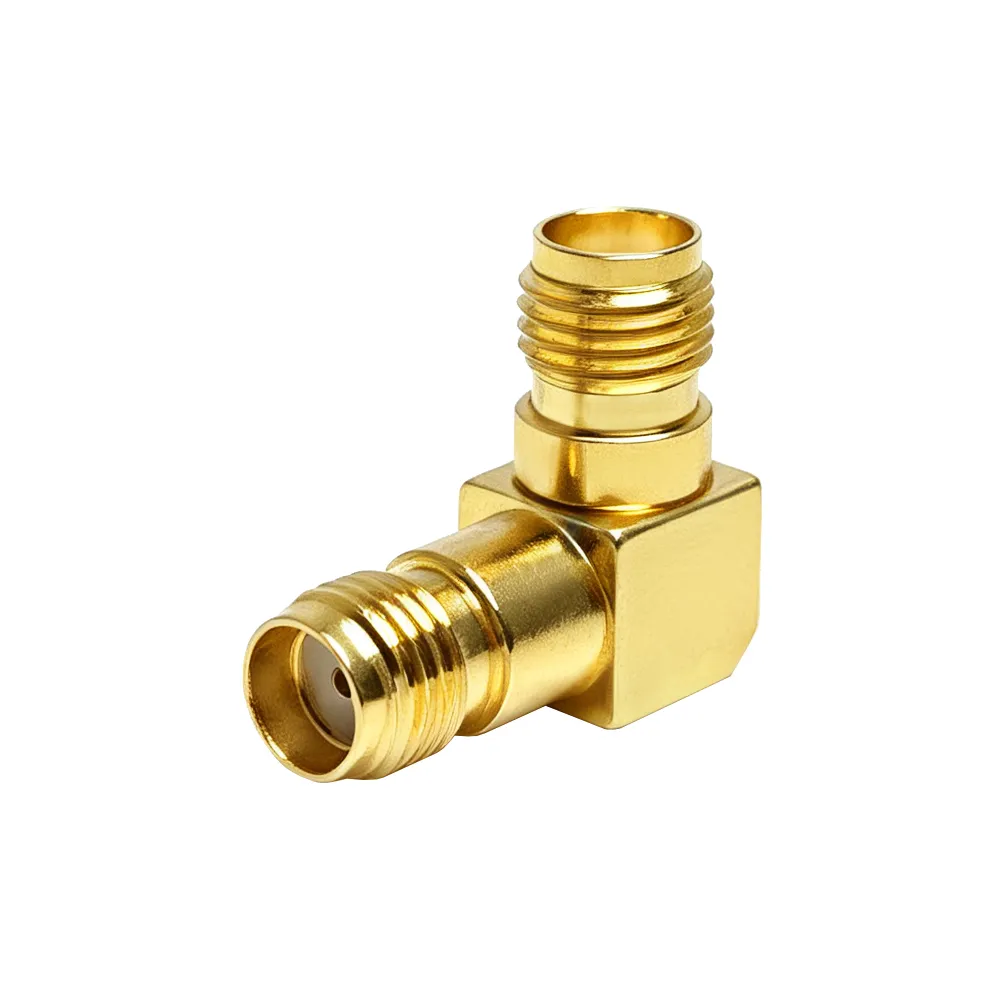
3. Interface & Orientation: State connector types for End A and End B (SMA, N-Type, BNC, TNC, 7/16 DIN, 4.3-10), gender (plug/jack), polarity (standard/reverse), and mechanical layout (straight, right-angle, or custom bulkhead).
-
4. Electrical Performance Targets: Define maximum allowable VSWR, maximum insertion loss (dB/m at target frequency), and impedance stability constraints.
-
5. Quality & Delivery Schedule: Outline batch volume breakdowns (prototype, pre-production, mass production), delivery timelines, and required test reporting (e.g., VNA plot outputs).
When the operational environment remains within defined cable and connector specifications, a fully specified RF cable assembly transitions smoothly into production without engineering stops.
What to Expect from Factory-Direct ODM Communication
Effective direct ODM communication relies on rigorous engineering clarification prior to production release. A qualified manufacturing team reviews DFM factors, flags potential signal degradation risks, and confirms assembly tolerances up front.
For high-frequency, defense, telecom infrastructure, or industrial IoT applications, clear technical engagement provides measurable schedule reliability:
-
Direct Access to Engineering: Technical queries regarding dielectric selection, shielding effectiveness, or phase matching are addressed directly by the technical staff building the product.
-
Controlled Material Substitution: Component alternatives are evaluated against full assembly performance criteria before being submitted for buyer approval.
-
Transparent Verification: Inspection checkpoints and testing criteria are integrated directly into the manufacturing routing sheet.
While standardized catalog cables serve off-the-shelf needs, engineered applications benefit directly from factory-direct ODM collaboration. By consolidating technical review, material management, and quality inspection under a single engineering framework, direct ODM coaxial cable assembly manufacturing cuts out administrative handoffs and delivers reliable lead time reduction for custom coax orders.