EN

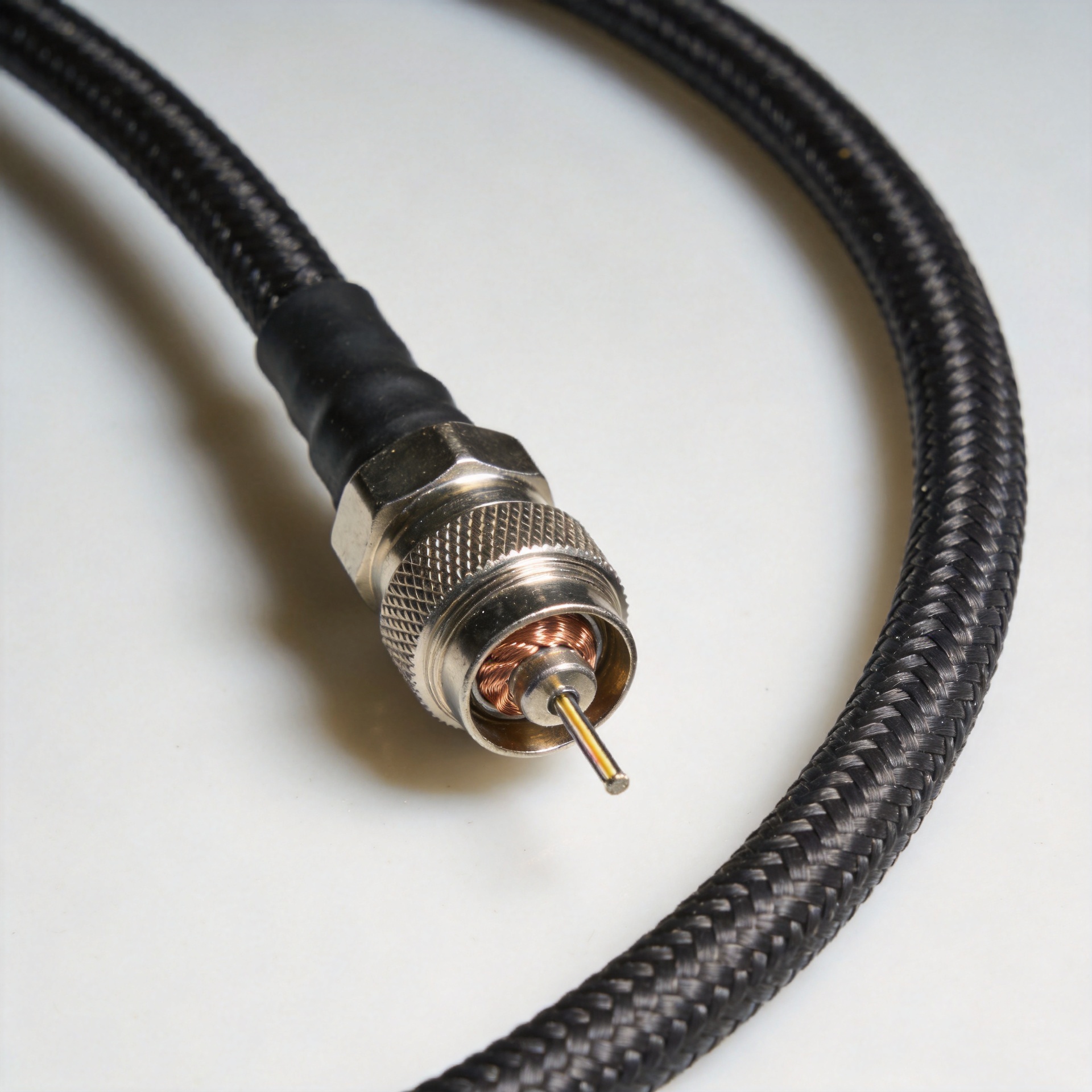
When an RF design team moves a compact antenna, IoT gateway, radio module, or test fixture from early bench trials toward pilot builds, specifying the right rg316 coax interconnect early is critical to avoiding costly engineering rework. Too often, the rg coaxial cable assembly is treated as an afterthought or a late procurement item. This fragmented approach leads to installation interference, unexpected signal attenuation, and unreliable signal integrity. Integrating factory ODM support directly into the early design phase aligns cable construction, connector mating, mechanical routing, and pre-shipment quality verification into a seamless development loop.
A high-performance rg316 coax assembly delivers a flexible 50-ohm transmission link within high-density, space-constrained RF enclosures. However, relying solely on generic catalog specifications ignores how physical bend radii, connector exit angles, strain relief boots, and crimp retention tolerances directly impact real-world performance. By leveraging professional factory ODM support, procurement managers and RF engineers can transform loose components into fully traceable, revision-controlled rg coaxial cable assemblies optimized for volume manufacturing.
Why Splitting Cable Decisions Across Vendors Slows Iteration
A common bottleneck in custom RF development occurs when buyers source bulk rg coaxial cable from one vendor, obtain RF connectors from another, and assign assembly to an offline harness shop. This split supply chain creates immediate friction: electrical loss targets may conflict with connector pin geometry, or the chosen crimp ferrule may fail pull-force testing due to subtle jacket thickness variations in the rg316 coax.
In a traditional fragmented workflow, cable vendors, connector vendors, and local harness shops operate in isolation, leading to frequent assembly failures and rework. An integrated factory ODM workflow consolidates all technical steps—from RF requirement analysis and prototype validation directly into mass production—eliminating supply chain friction.
By consolidating these interfaces through factory ODM support, engineers evaluate the complete RF link and production workflow simultaneously. Partnering with an experienced manufacturer like WORLDPEAK ensures every rg316 coax assembly integrates exact stripping dimensions, braid shielding coverage, automated crimping, and 100% VNA testing prior to shipment.
Constructing a Testable RG316 Coax Requirement Sheet
Rapid product iteration depends on defining clear, testable acceptance criteria before building initial samples. A well-structured rg316 coax custom request clearly distinguishes mandatory electrical and mechanical limits from flexible design preferences.
Core Input Categories for Custom OEM Builds:
-
Electrical Performance Limits: Specify nominal impedance (50 Ohm), target operating frequency (e.g., DC to 3 GHz or DC to 6 GHz), maximum allowable insertion loss (dB/m), and return loss (VSWR) expectations for the complete rg coaxial cable assembly.
-
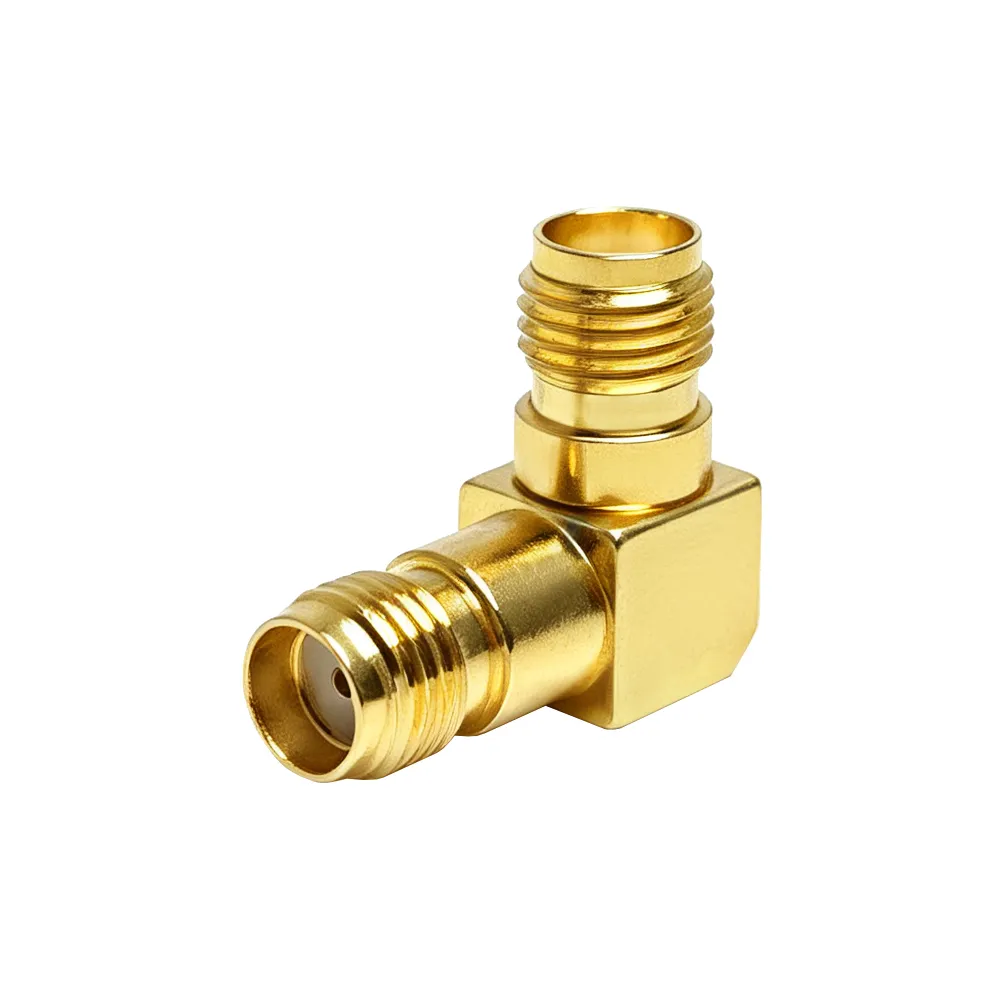
Mechanical and Routing Envelope: Define finished assembly length tolerances, minimum dynamic and static bend radii for rg316 coax, panel cutout thickness, and connector orientation (straight vs. right-angle exit).
-
Environmental Exposure: Outline operating temperature thresholds (-55 deg C to +200 deg C for FEP jacketed rg316 coax), vibration levels, moisture exposure, and chemical or UV resistance requirements.
-
Quality Control and Traceability: Document prototype lot size, forecast volumes, marking or labeling position, heat-shrink boot requirements, and incoming inspection criteria.
Technical Comparison: RG316 Coax vs. Alternative Miniature RG Cable Families
Selecting the correct rg coaxial cable requires comparing dielectric materials, conductor construction, shielding coverage, and mechanical flexibility. The table below outlines how rg316 coax compares against other common miniature flexible RF cables under factory ODM support guidelines.
| Cable Parameter | RG316 Coax | RG174 Coax | RG178 Coax | RG142 Coax |
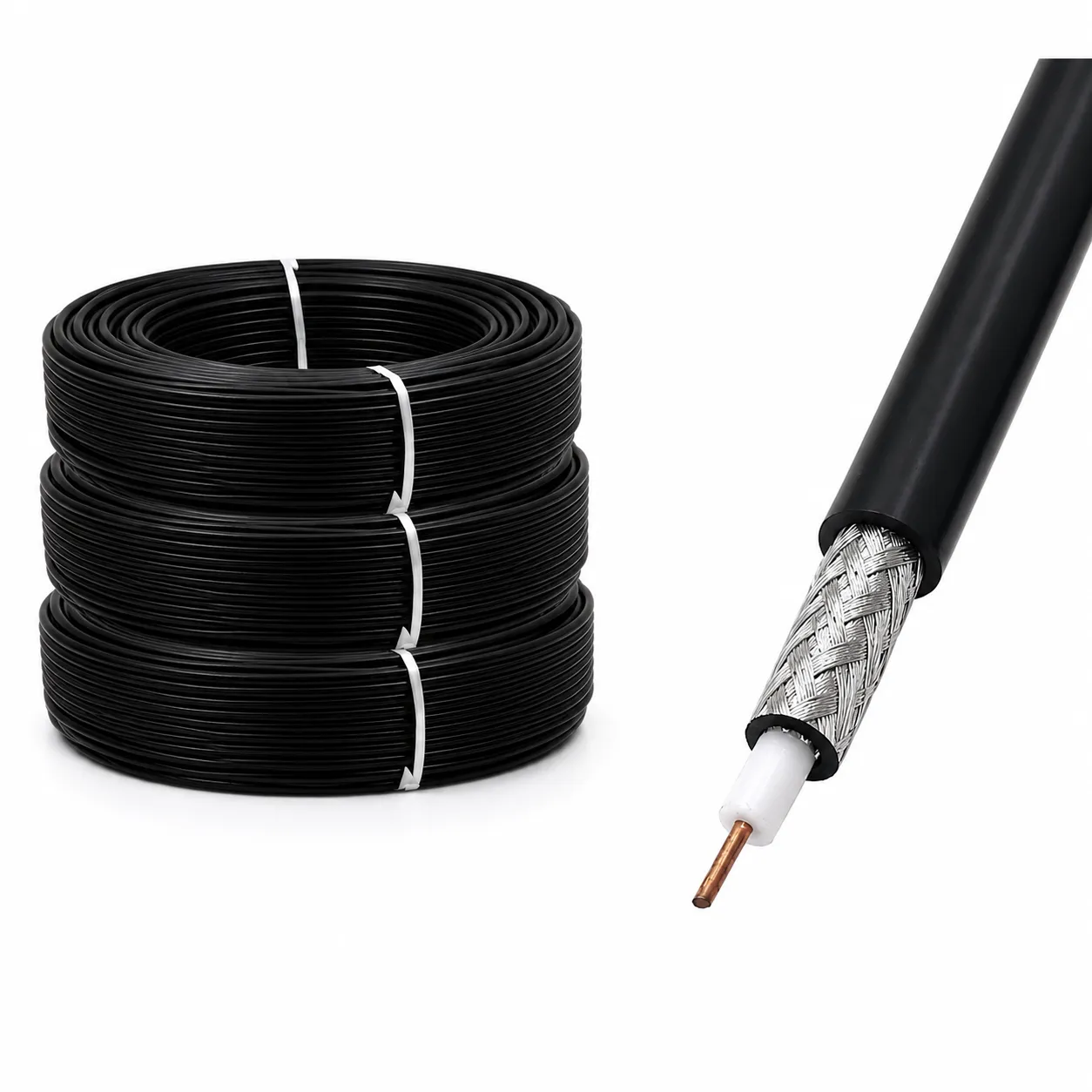
| Center Conductor | 7x0.102 mm Silver-Plated Copper Clad Steel (SCCS) | 7x0.16 mm Bare Copper / Copper Clad Steel | 7x0.102 mm Silver-Plated Copper Clad Steel | 0.95 mm Solid Silver-Plated Copper |
| Dielectric Material | Solid PTFE | Solid PE | Solid PTFE | Solid PTFE |
| Outer Jacket Material | Fluorinated Ethylene Propylene (FEP) | Polyvinyl Chloride (PVC) | Fluorinated Ethylene Propylene (FEP) | Fluorinated Ethylene Propylene (FEP) |
| Outer Cable Diameter | 2.50 mm (0.098 in) | 2.80 mm (0.110 in) | 1.80 mm (0.071 in) | 4.95 mm (0.195 in) |
| Nominal Impedance | 50 Ohm | 50 Ohm | 50 Ohm | 50 Ohm |
| Max Operating Temp | +200 deg C | +80 deg C | +200 deg C | +200 deg C |
| Max Frequency Rating | 3 GHz – 6 GHz | 1 GHz – 3 GHz | 3 GHz | 8 GHz – 12.4 GHz |
| Typical Shielding | Single Silver-Plated Braid (>=95%) | Single Bare Copper Braid (>=88%) | Single Silver-Plated Braid (>=95%) | Double Silver-Plated Braid (>=98%) |
Applying factory ODM support during initial selection ensures that choosing rg316 coax over RG174 or RG178 correctly balances temperature resistance, physical durability, insertion loss, and termination cost for your specific enclosure.
Using Staged Samples to Eliminate Engineering Uncertainty
A practical prototype development loop validates technical assumptions in distinct, controlled stages rather than attempting to solve every variable in a single batch. Utilizing factory ODM support allows engineering teams to structure sample iterations around isolated technical risks:
-
Stage 1 - Mechanical Fit & Clearance: Verify rg316 coax length, bend radius, and connector orientation within the enclosure housing.
-
Stage 2 - Electrical & Signal Integrity: Measure VSWR, insertion loss, and phase stability across target frequencies on a calibrated Vector Network Analyzer (VNA).
-
Stage 3 - Pilot Line Manufacturability: Confirm automated crimp repeatability, pull-force retention, and quality control consistency across pilot lots.
When evaluating a custom rg316 coax prototype, the factory ODM partner documents every design adjustment—such as switching from a solder-type pin to a crimp pin, or applying a dual-wall adhesive heat-shrink boot. This transparent process guarantees that the physical rg coaxial cable sample matches the revision-controlled engineering drawing.
Establishing Production Readiness and Quality Verification
Moving from custom prototype evaluation to repeat volume production requires establishing strict quality control standards. Full-service factory ODM support integrates automated cable preparation, precision stripping, micro-soldering, and crimping with rigorous quality testing.
Standard Factory Verification Protocol for RG316 Assemblies:
-
Dimensional Inspection: Optical comparator measurement of strip lengths, ferrule crimp height, and total assembly length.
-
Mechanical Retention Testing: Automated pull-force testing to verify connector-to-cable retention limits (minimum 60 N for standard rg316 coax crimp interfaces).
-
Electrical VNA Testing: 100% automated sweep testing for Return Loss (VSWR) and Insertion Loss across the specified operating band.
-
Hi-Pot & Continuity Verification: Voltage breakdown and insulation resistance testing to guarantee dielectric integrity under high potential.
Working directly with an established RF manufacturer like WORLDPEAK provides complete lot-level traceability, custom packaging options, and standardized documentation for every shipped rg coaxial cable lot.
OEM Checklist Before Releasing the Next Build
To ensure seamless execution during your next rg316 coax assembly order, follow this structured checklist before submitting your drawing package:
-
Attach Revision-Controlled Drawings: Ensure the CAD file, 2D PDF, and Bill of Materials (BOM) share identical revision letters.
-
Specify Exact Connector Interfaces: Define exact series, gender, orientation (straight vs. right-angle), and contact plating (gold vs. nickel).
-
Define Cable Length Reference Points: State whether length is measured from connector tip-to-tip, outer reference planes, or rear panel faces.
-
Detail Electrical Test Conditions: List target frequency limits, maximum VSWR thresholds, and acceptable loss budgets.
-
Engage Factory ODM Support Early: Leverage vendor engineering feedback to review crimp tooling compatibility and strain relief geometry before locking the pilot configuration.
By establishing an integrated engineering dialogue around your rg316 coax requirements, your team eliminates supplier ambiguity, accelerates prototyping cycles, and builds a robust, scalable rg coaxial cable solution ready for global market release.